Amalfi Coast Vs Lake Como, Puglia, And Cinque Terre
These four places get compared constantly and they are not really alternatives to each other. One is a lake in the Alpine foothills, one is a flat farming region with two coastlines, one is a car-free cliff village cluster in Liguria, and one is in another country. Here is what actually separates them, including the parts where the Amalfi Coast comes off worse.
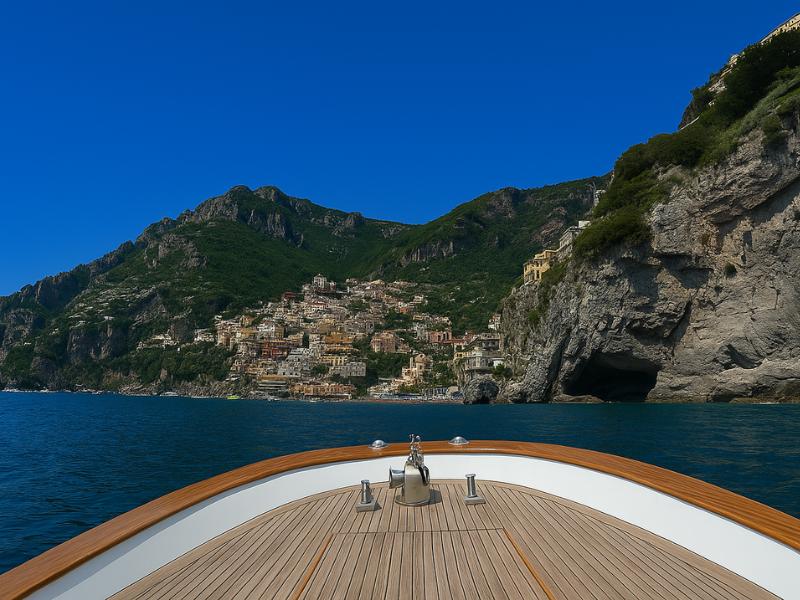
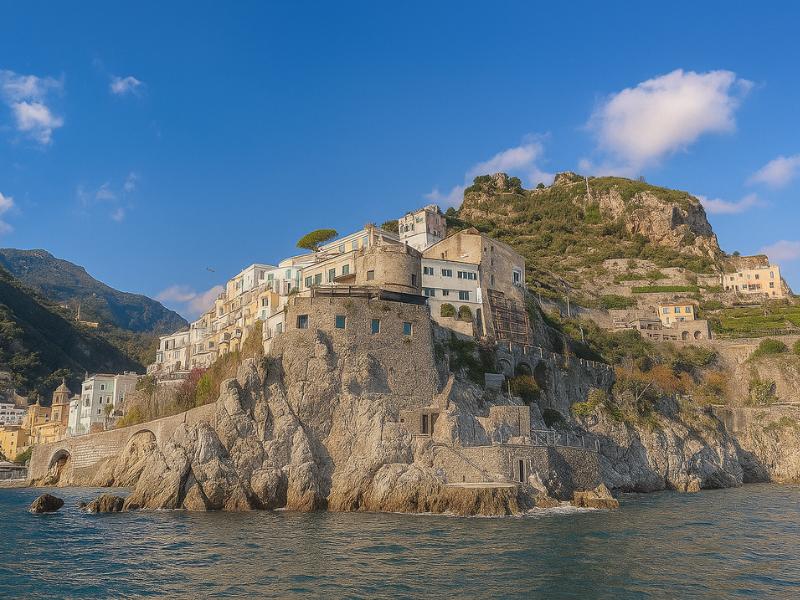
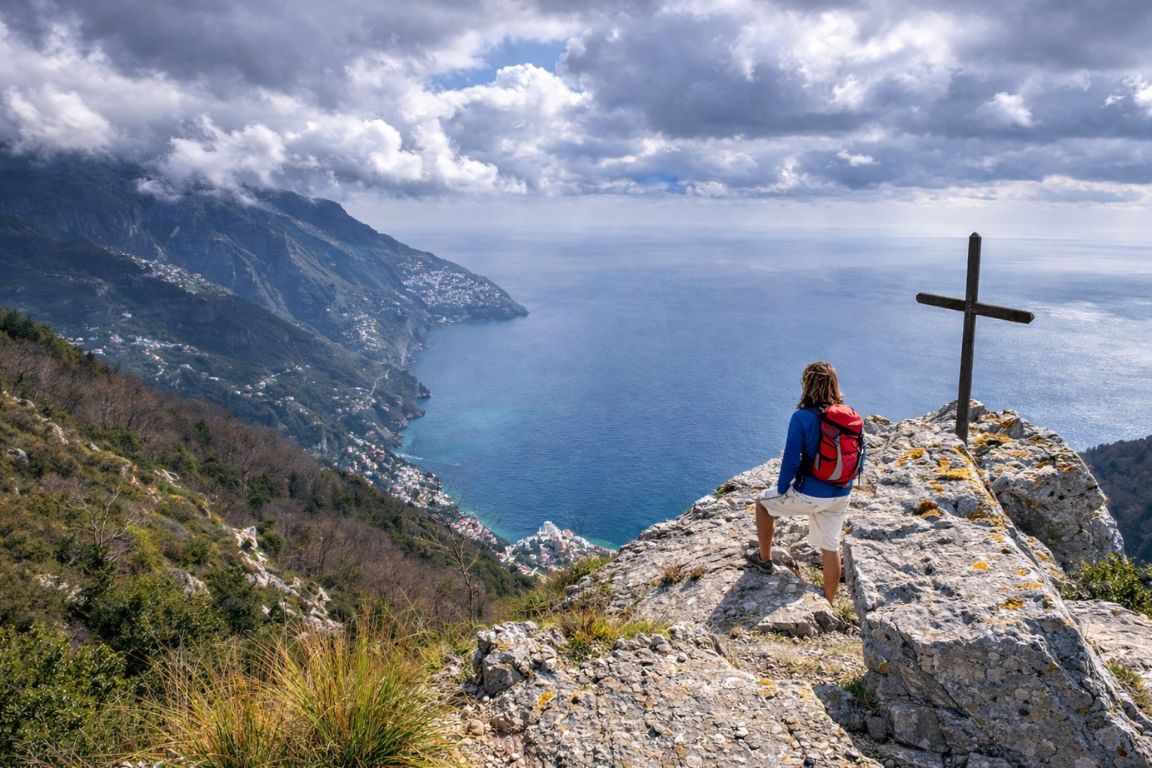
If Amalfi wins on the kind of day you want, compare a boat day, a three-town outing and a mountain walk below. Choose the region first; the tour comes second. Choose Your Experience Below.
The question behind all of these comparisons is usually the same one: which of these do I pick for a week in Italy. The honest answer is that they solve different problems, and the deciding factors are rarely scenery. They are how you will move around, how much of your budget goes to a bed, whether you want to swim in the sea, and how much company you are willing to have.
Amalfi suits boat days and varied excursions; the other regions can suit simpler transport or a broader road trip. Check your base, month and real trip totals before committing. Explore the Amalfi or Positano coast cruiseExplore the Amalfi or Positano coast cruise.
The Short Answer
Pick the Amalfi Coast for sea cliffs, boat days and southern Italian food, and accept the crowds and the slow road. Pick Lake Como for calm, elegance and easy access from Milan. Pick Puglia for space, lower prices and a car-based trip. Pick Cinque Terre for the same cliff-village look with far simpler logistics, on a much smaller scale.
Amalfi Coast Or Lake Como: Which Suits Your Trip?
They sit at opposite ends of the country and offer opposite tempos. Lake Como is in Lombardy, an hour or less from Milan by train, deep and calm, with grand lakeside villas and quiet evenings. The Amalfi Coast is in Campania, on open Mediterranean sea, louder, hotter, harder to reach and considerably more dramatic to look at.
The practical gap is access. Trains from Milan Centrale reach Como in roughly 40 minutes to an hour, and Varenna in a little over an hour, so a Como trip can begin the afternoon you land. The Amalfi Coast has no railway at all: the line stops short, and everything after that is the SS163 coast road or a boat. That single fact shapes every day of an Amalfi trip and almost none of a Como one.
The water is the other real difference. Lake Como reaches about 410 metres deep, the deepest lake in Europe outside Norway, and it is shaped like an inverted Y with Bellagio at the junction of the branches. It is beautiful and it is cold, and swimming there is a different proposition from a Mediterranean cove. The celebrity association is real but narrow: George Clooney's 18th-century Villa Oleandra sits at Laglio, about fifteen minutes from Como, on a lake that was already a retreat for wealthy Milanese families long before he arrived.
Choose Como if you want to sit still, eat well and look at mountains and water without a plan. Choose the Amalfi Coast if you want to be on a boat, in the sea, and in villages stacked vertically above it.
Is Puglia Really The Cheaper Amalfi Coast?
It is cheaper, but it is not the same product. Puglia is the heel of Italy: flat, agricultural, spread over a large area, with two coastlines rather than one. It has whitewashed towns and the cone-roofed trulli of Alberobello, listed by UNESCO in 1996, and it costs less at almost every level. What it does not have is a cliff coast.
Alberobello alone holds more than 1,500 trulli in its historic districts, and the look of Puglia's towns owes far more to limestone and whitewash than to the pastel terraces of Positano. The coastlines split in character too: the Adriatic side runs to low cliffs, coves and clear water, while the Ionian side gives long sandy beaches and shallow, warm sea. Neither resembles the vertical drop that defines the Amalfi Coast.
The trade-off is transport and scale. Puglia effectively requires a car, because the distances between Lecce, Ostuni, Alberobello and the beaches are real. The Amalfi Coast punishes a car for the opposite reason. The choice is less about money than about how you like to travel: Puglia is a road trip through farmland with sea at the end of it, and the Amalfi Coast is a small, dense place you move around by bus and boat.
Compare whole-trip totals, including accommodation and transport, before deciding that one region is better value for your plans. Build the Amalfi budget
Amalfi Coast Or Cinque Terre: Two Cliff Coasts, Two Different Logistics
Cinque Terre is the closest thing to a genuine comparison here, and it wins on logistics while losing on scale. Five Ligurian villages, all listed by UNESCO in 1997, sit on a much shorter stretch of coast and are linked by a train that runs every twenty minutes. The Amalfi Coast is bigger, higher, hotter and has no train at all.
The villages are Monterosso al Mare, Vernazza, Corniglia, Manarola and Riomaggiore, and the UNESCO listing covers them together with Portovenere and the islands of Palmaria, Tino and Tinetto. Hops between villages take five to ten minutes on the Cinque Terre Express, which runs from La Spezia up to Levanto, and a Cinque Terre Card bundles the trains, the local buses and the paid trails. The equivalent hop on the Amalfi Coast is a SITA bus on a single-lane cliff road or a seasonal ferry.
Hiking culture is the other divide. Cinque Terre's trails are the main activity and are managed as such, with paid access and capacity limits: the Via dell'Amore reopened on 9 August 2024 after a landslide had closed it since 2012, and entry is capped at 100 visitors per time slot. The Amalfi Coast has serious walking too, above all the Path of the Gods, but hiking is one option among boats, ruins, ceramics and food rather than the organising principle.
Where the Amalfi Coast pulls ahead is range. Cinque Terre is five villages and the sea. The Costiera Amalfitana, inscribed in the same year as a cultural landscape, has thirteen comuni plus Capri, Pompeii and Sorrento within easy reach. If you have a week, Cinque Terre can start to feel small. If you have three days, it will not.
Amalfi Coast Or The French Riviera?
This one is a different country, a different price tier and a very different transport picture. The Riviera has a coastal railway linking its towns and a major international airport at Nice, which is the third busiest in France and the busiest outside the Paris area. The Amalfi Coast has one road and a seasonal ferry.
That access gap is the strongest argument for the Riviera. Land at Nice, take a train along the coast, and be in a different town every day without touching a car or a bus queue. Nice, Antibes and Cannes are proper towns with a broad range of hotels, which a coastline of thirteen villages cannot match on supply, and at the top end Riviera luxury hotels generally price above their Amalfi equivalents.
The counter-argument is character. The Amalfi Coast is smaller, steeper, more obviously southern, and its food culture is distinct rather than international. It also puts Pompeii, Vesuvius and Capri within a day of your hotel, which no part of the Côte d'Azur can offer. If your priority is ease, the Riviera. If it is drama and depth of things to see, the coast.
Test an Amalfi day against the actual bus and ferry connections from your intended base before giving up the Riviera’s easier rail travel. Check Amalfi transport options
Side By Side
| Amalfi Coast | Lake Como | Puglia | Cinque Terre | |
|---|---|---|---|---|
| Region | Campania | Lombardy | Apulia | Liguria |
| Water | Tyrrhenian sea | Deep alpine lake | Adriatic and Ionian sea | Ligurian sea |
| Getting around | Coast road and seasonal ferry | Train, road and lake ferry | Car, essentially required | Train every 20 minutes |
| Nearest big gateway | Naples | Milan | Bari or Brindisi | La Spezia, then Pisa or Genoa |
| Scale | 13 comuni over about 60 km | Lake shore towns, many bases | A whole region | 5 villages, close together |
| Relative cost | High in season | High, especially lakefront | The lowest of the four | High for its size |
| Best for | Boats, cliffs, Pompeii and Capri | Calm, villas, easy access | Space, food, road tripping | Walking and simple logistics |
Choose the outing before filling the rest of your day. Compare coast cruise and three-town day by departure points and the time each experience takes. Choose Your Coast Cruise Or Alternative
So Which Should You Pick?
If this is a first trip to Italy and you want the postcard with a boat under it, the Amalfi Coast earns its reputation, as long as you go in with the road and the crowds priced in. If you want to arrive quickly and slow down immediately, Lake Como. If you want two weeks, a car and a lower bill, Puglia. If you want cliffs and villages without the transport problem, Cinque Terre. Season matters as much as scenery in this decision: the boat trips and coastal ferries that make this coast feel effortless mostly run from around April into late October, while road-based Italy Amalfi Coast Tours keep running well outside that window, so check what will actually be operating in your month before you commit to a region.
One last practical note if the Amalfi Coast wins. The single biggest lever on how the trip feels is not the town you pick but the month, so it is worth reading the month-by-month breakdown before booking anything. And if you do come, the crafts here are unusually real, so leave room in the bag: the souvenirs worth buying are made in specific towns rather than imported into all of them.
Confirm the month before the excursion: an advertised tour page does not establish that your preferred date is operating. Check the month-by-month plan
Frequently Asked Questions
Is Lake Como or the Amalfi Coast better?
Neither, in general. Lake Como is calmer, easier to reach from Milan and built around lakeside villas and quiet evenings. The Amalfi Coast is more dramatic, has open sea for swimming and boat days, and sits near Pompeii and Capri, but it is harder to reach and considerably busier in summer. Pick Como for rest, the Amalfi Coast for activity.
What is better, the Amalfi Coast or Puglia?
Puglia costs less, has far more space and rewards a road trip, with whitewashed towns and the trulli of Alberobello. The Amalfi Coast is smaller and denser, with a genuine cliff coastline and better public transport by boat and bus. If you want a car and two weeks, Puglia. If you want a compact, boat-based few days, the Amalfi Coast.
Is the Amalfi Coast or Cinque Terre nicer?
They look similar and travel very differently. Cinque Terre is five Ligurian villages linked by a train that runs every twenty minutes, so moving around is simple, and hiking is the main activity. The Amalfi Coast has thirteen towns spread over a longer stretch, plus Capri and Pompeii nearby, but no railway and a slow single coastal road.
Is the Amalfi Coast or the French Riviera better?
The Riviera is easier: a coastal railway links its towns and Nice has a major international airport, the busiest in France outside the Paris area. The Amalfi Coast is harder to move around but more dramatic, with Pompeii, Vesuvius and Capri within a day. Luxury hotels generally price higher on the Riviera.
What would you add to your independent day? Discover coast cruise and three-town day, with departure points and the time each experience takes laid out below. Discover Coast Cruise & Alternatives