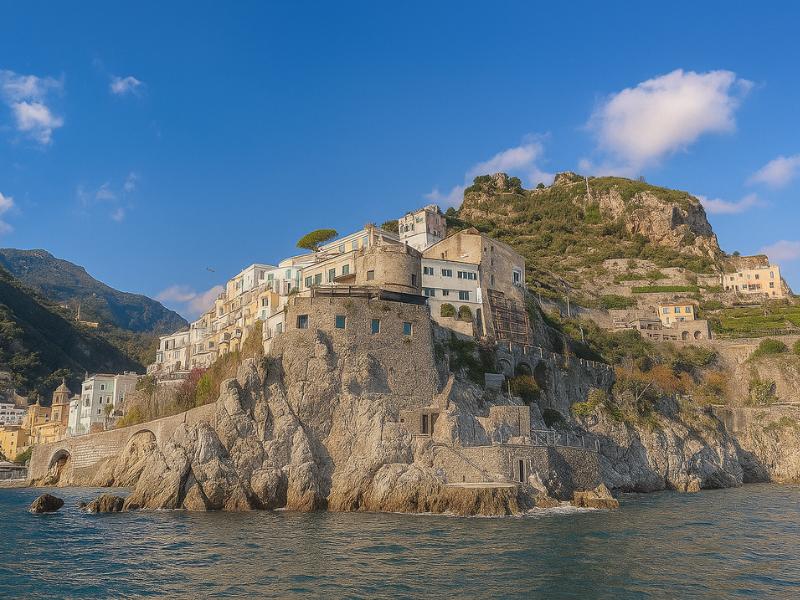
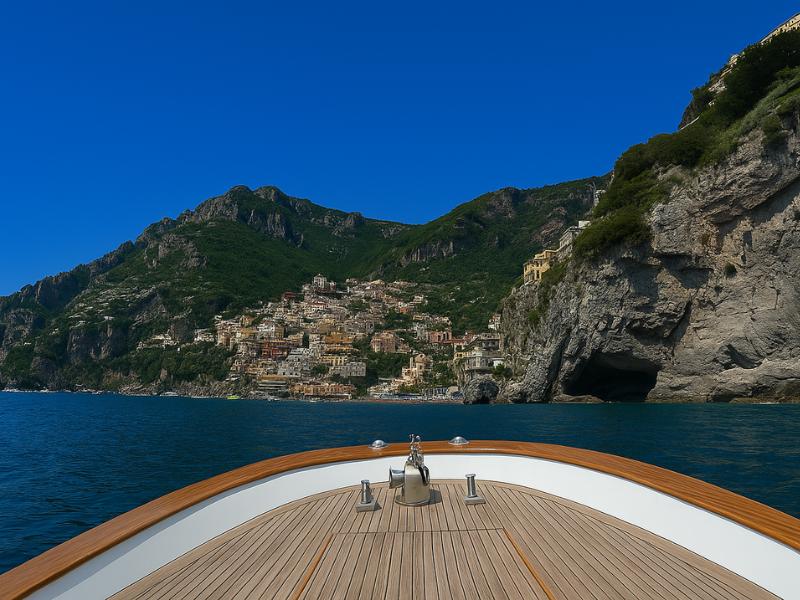
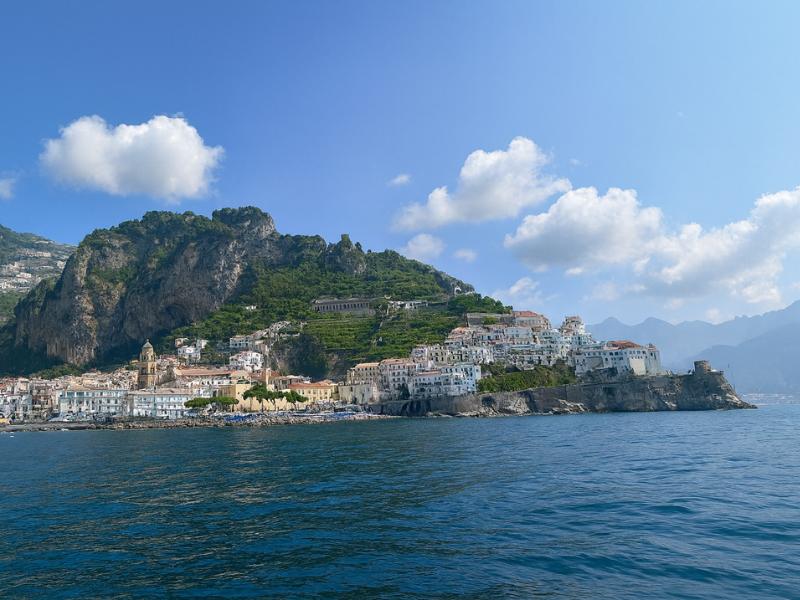
How Many Days Do You Need On The Amalfi Coast?
Four to five days is the Amalfi Coast sweet spot. Three nights isn’t three days—travel eats time. Add a buffer day and avoid rushing the magic.
Give each paid outing a real space in the itinerary: a coast cruise from Amalfi or Positano is a different commitment from a full Capri day starting in Sorrento. Choose Your Experience Below.
Four to five days is the sweet spot for a first visit. Two or three days gets you the highlights but leaves you rushing. A week lets you exhale. One thing most planning guides get wrong: three nights is not three days. Travel time in and out eats a half-day each way. Whatever number you pick, add one buffer day – the coast has a way of making plans irrelevant.
Count usable days rather than nights. Leave room for the core towns, choose between a coast cruisecoast cruise and a separate Capri day, and retain weather flexibility.
Quick Facts: Amalfi Coast Trip Length At A Glance
| 1 day (day trip) | One or two towns, surface level only | Cruise passengers, Rome/Naples day-trippers |
| 2–3 days | Positano, Amalfi, Ravello; one beach afternoon | Travelers squeezing it into a wider Italy itinerary |
| 4–5 days | Big Three + Capri + one hike + genuine downtime | First-timers who want to actually feel the coast |
| 6–7 days | Full coast + Pompeii or Naples + beach days + Path of the Gods | Returning visitors, honeymooners, slow travelers |
| 8+ days | All of the above plus Ischia, Paestum, or total relaxation | Extended stays, villa renters, people who get it |
How Many Days On The Amalfi Coast Is Actually Enough?
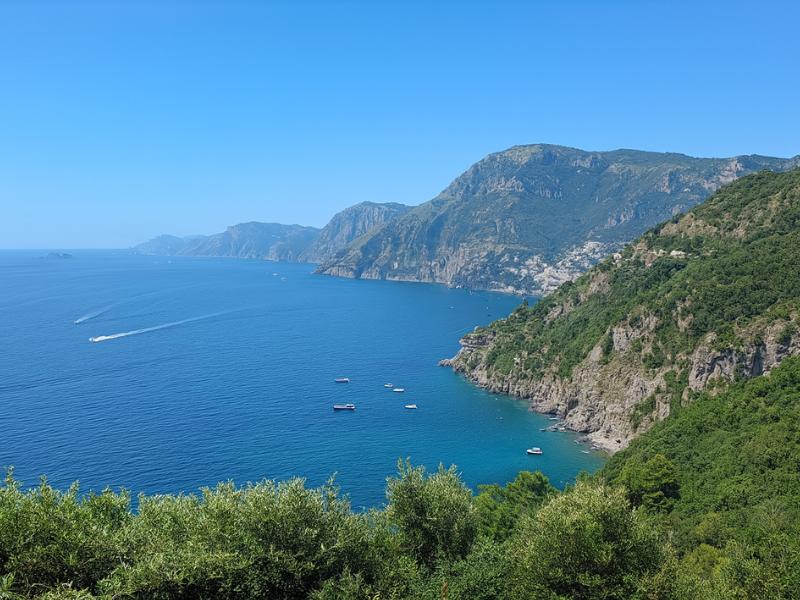
For a first-time visit with no other Italian stops, four to five days is the honest minimum to feel like you’ve actually been there rather than passed through. Two or three days covers the famous towns but leaves you eating at tourist-facing restaurants, sprinting between ferry departures, and returning home with photographs instead of memories. One day, realistically, is a teaser. It’s worth doing, but know what it is.
The number that most people plan for is too small. This is almost a universal truth on the Amalfi Coast. Forum threads, TripAdvisor conversations, and the feedback we hear from travelers who come back – the most common sentiment is “I wish I’d stayed longer.” It comes up with a specific pattern: people who booked three nights in Positano and spent a full day just getting there, then another day managing a bus or ferry failure in summer heat. That’s three nights, one full day of actual experience, and a memory that could have been so much richer.
There’s a real structural reason this happens. The Amalfi Coast is not like Florence or Rome, where the city delivers itself to you. Here, the experience is assembled over multiple transport legs, across towns that sit hours apart in summer traffic. Getting in from Naples or Rome takes time. Getting back takes time. The coast itself moves slowly by design. That’s the point of coming. Fighting that pace with a tight itinerary is the single biggest mistake first-time visitors make.
The other honest truth: the coast has a way of stealing days you didn’t plan to give it. A morning coffee that turns into two hours watching fishing boats. A trail that goes further than expected. Rain that locks you happily in a trattoria until 4 PM. Build for that. The people who have the best experiences here are the ones who left room for the coast to do what it does.
Only have a single day? I’ve broken down is one day on the Amalfi Coast worth it so you know whether a quick visit makes sense or if you should skip it entirely for your next trip.
Set the base and travel days before filling the remaining calendar with tours. Build the practical trip plan
What Can You Realistically See In 2-3 Days?
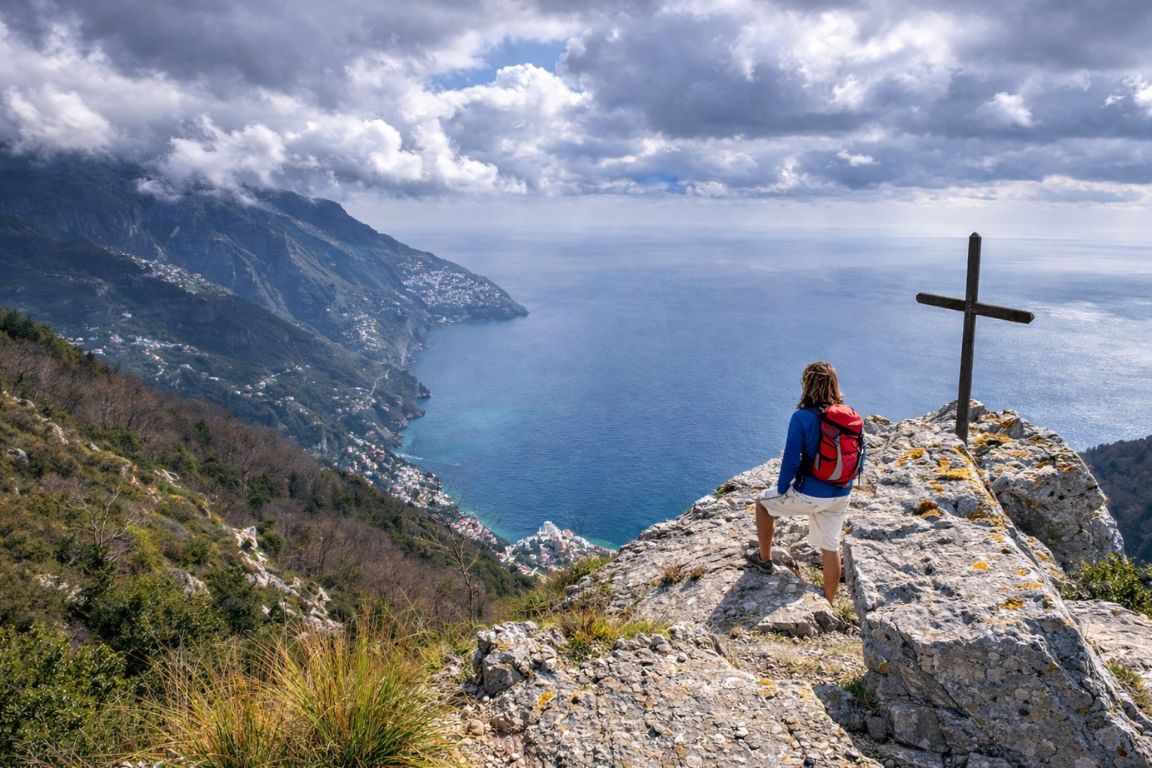
With two to three full days based in one coastal town, you can cover Positano, Amalfi town, and Ravello comfortably, with time for a beach afternoon and one good dinner that isn’t rushed. Capri is a stretch – technically doable as a day trip, but it competes directly with your Amalfi Coast time. Two days is a highlights reel, not an immersion. It works best for travelers connecting the coast to a wider Italy trip rather than making it the centerpiece.
Three nights on the coast equals roughly two and a half full days. Not three. You lose half a day arriving and settling in. If you’re coming from Rome, that arrival half-day is often entirely gone to travel. Keep that math in mind when you read “3-day Amalfi itinerary” anywhere – those articles are often describing a scenario that requires you to sleep on a train or start your trip at 5 AM.
That said, two to three days can be excellent if the expectations are calibrated correctly. Stay in Amalfi town. Take the ferry to Positano on day one, spend the morning wandering down to the beach and back up through the lanes, return by ferry in the afternoon. Day two: wake up early, bus to Ravello for a few hours at Villa Cimbrone or Villa Rufolo, back down by noon, afternoon at the beach or around the Duomo. Day three is your travel day. You’ve seen the famous three. You haven’t seen much else, but what you saw, you saw properly.
What you don’t get in two to three days: any sense of what the quieter towns feel like, time to sit somewhere without needing to leave soon, the Path of the Gods, a full Capri day, or the feeling of waking up two mornings in the same place and starting to know it. Those things need more time.
If two to three days is all you have, the firm advice from our guides is this: pick one base and stay there. Moving accommodation between Positano and Amalfi in a short trip sounds appealing in theory. In practice, you spend the energy that should go into experiencing the coast on packing, checking in, and finding your footing in a new place. One well-chosen base, two nights minimum.
Got two days to explore? I’ve put together a complete 2-day Italy Amalfi Coast tours itinerary that shows you exactly how to hit the highlights without wasting time bouncing between towns.
Is 4-5 Days The Sweet Spot For First-Time Visitors?
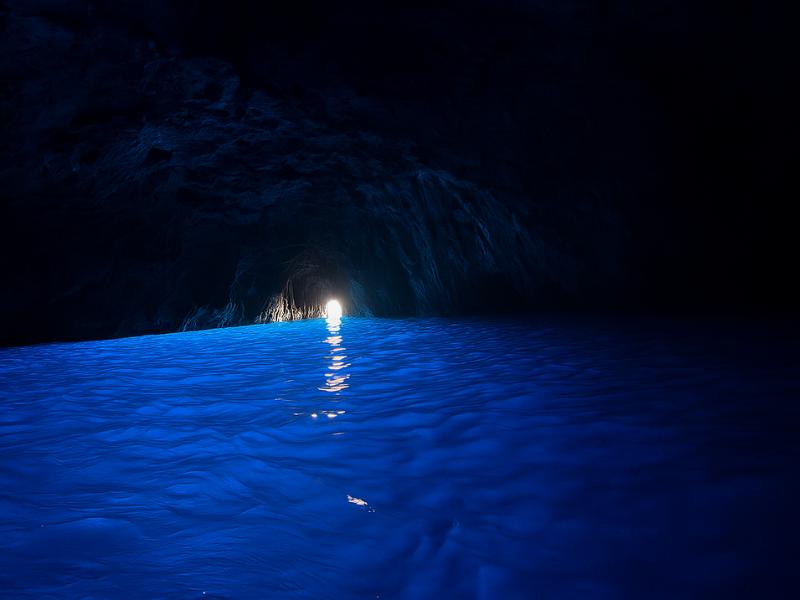
Yes. Four to five full days – meaning four to five nights – gives most first-time visitors enough time for the Big Three towns (Positano, Amalfi, Ravello), a full day on Capri, a slower afternoon in a quieter village like Maiori or Cetara, some genuine beach time, and at least one dinner where you’re not watching a clock. It’s not all the coast has to offer, but it’s enough to feel it rather than just see it.
The four-to-five day structure also matches how the coast’s geography works against a rushed schedule. Capri alone is a full day – ferry over, boat tour or Blue Grotto, lunch, explore the town, ferry back. Trying to fold that into a three-day trip alongside Positano and Ravello means something gets rushed or cut entirely. With five days, it has space.
Here’s a realistic structure for five days based out of Amalfi town. Day one, arrive and walk Amalfi itself. The Duomo, the old paper mills district, a light dinner near the piazza. Day two, ferry to Positano, the morning belongs to it entirely. Day three, Capri. Book the early morning ferry, spend the full day, come back in the evening. Day four, bus up to Ravello in the morning, then down to Atrani (a five-minute walk from Amalfi through a cliff tunnel) for the afternoon. Day five, the Path of the Gods if you’re a hiker, or a slow morning in Maiori or Cetara before your departure. That’s a genuine coast trip, not a rushed preview.
Four days works if you trim one element. Most travelers who do four days skip either Capri or the hike, not the core towns. Capri is probably the more consequential skip – it deserves more than a rushed afternoon and it’s better experienced as its own full day with early morning light on the water.
If Capri is your extra stop, leave a full day for the island and the journey there.
We’ve created a detailed 3-day Italy Amalfi Coast tours itinerary because three days lets you hit the must-sees while building in time for meals, beaches, and wandering without a schedule.
Who Should Stay A Full Week (And What Does That Look Like)?
A week on the Amalfi Coast is for anyone who wants to come back from Italy having actually rested rather than just having moved through beautiful places at speed. Seven days allows you to combine the coast towns, a full Pompeii visit, Capri, the Path of the Gods hike, time in a lesser-known village, and two or three proper beach afternoons. It’s the length of stay that makes people book a return trip.
The change that happens around day five or six is difficult to describe in a planning guide, but it’s real. The place starts to make sense. You know which bar makes the best espresso before the tourist surge. You recognize the man who rows his small boat out every morning. You stop consulting the ferry timetable because you’ve memorized it. The coast stops being a series of sights to process and becomes a place you’re in.
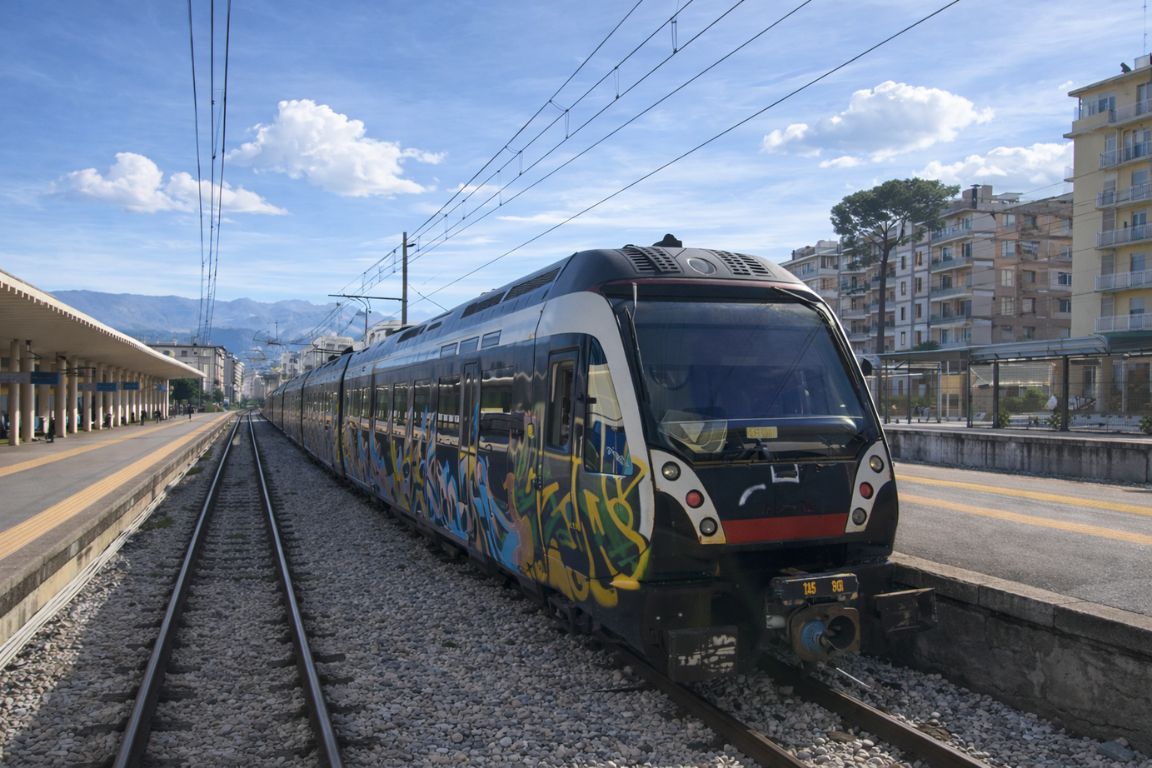
Seven days can be split several ways. One strong option: three nights in Amalfi town as your eastern base, then two nights in Positano for the western end, with one night in Ravello worked in on the way. Another approach, if you’re also doing Pompeii or Naples: two nights in Sorrento as a transit base at the start, then four nights on the coast proper. Sorrento’s Circumvesuviana rail connection to Pompeii and Herculaneum makes this an efficient first chapter before you cross fully onto the Amalfi Drive.
A week also absorbs the weather variability that shorter trips can’t afford. The Amalfi Coast in May or October sometimes gives you a day of rain. On a three-day trip, that’s catastrophic. On a seven-day trip, it’s an afternoon with a book on your hotel terrace and a long lunch somewhere you’d have otherwise rushed past.
Put the guided hike on the calendar before planning the rest of that walking day. Walk the Path of the Gods with an English-speaking guide and walking sticks on a 4.5-hour outing. Choose Your Path Of The Gods Date
How Does The Time Of Year Affect How Many Days You Need?
In July and August, you effectively need more days to accomplish the same things because transit times expand significantly. A Positano-to-Amalfi bus ride that takes 45 minutes in October can take 90 minutes or more in high summer due to traffic. Factor this into your planning: a three-day trip in September moves faster and accomplishes more than the same three-day trip in August. Shoulder season travelers can do more with less time.
| March / early April | Low | Partial (Travelmar select routes) | High | 3-4 days sufficient |
| Late April / May | Moderate-High | Yes (from late March/April) | Good | 4-5 days ideal |
| June | High | Yes | Moderate | 5 days recommended |
| July / August | Peak | Yes (book ahead) | Low – add 30–60 min per leg | 5-7 days; budget more time per day |
| September | Moderate | Yes | Good | 4-5 days, best overall value |
| October | Low-Moderate | Reduced after mid-Oct | High | 4 days – quiet, beautiful |
| November – February | Very low | Limited (select routes only) | Very high | 3-4 days; some restaurants/hotels closed |
Ferry availability based on Travelmar and major operator schedules as of February 2025.
September is the answer to most people’s trip-planning dilemmas. Crowds are meaningfully thinner than August, the sea is warm, ferries run full schedules, and prices drop. We consistently see it as the month where travelers get the most coast per day. If you have flexibility on dates, September is worth rearranging your calendar for.
One thing October visitors need to know: ferry services begin winding down in mid-to-late October, and some restaurants and smaller hotels start closing for the winter. The coast is still stunning. You’ll just need to confirm in advance that what you’re planning to do is actually open.
Planning ahead? Our guide to the best time to visit the Italy Amalfi Coast tours breaks down high season chaos versus shoulder season calm and what you actually each month.
Use the actual travel month to check service availability; shorter transfer times are never guaranteed by the season alone. Check seasonal planning details
Which Towns Should You Prioritize If Your Time Is Limited?
If you have two to three days, the non-negotiables are Positano, Amalfi town, and Ravello. That’s the core. If you have four to five days, add Capri as a full day. If you have a week, layer in Cetara or Maiori for contrast, and the Path of the Gods for scale. The smaller villages don’t photograph as dramatically as Positano, but they’re where the coast reveals a different version of itself, quieter and more genuinely Italian.
Here’s what each core destination actually needs, honestly, from someone who’s walked them with thousands of people:
Positano deserves a full morning, minimum. The beach, the lanes above it, the Chiesa di Santa Maria Assunta with its majolica dome, and enough time to sit somewhere with coffee and just look at it. Half a day treats it as a checklist item. A full morning, or ideally a full day as a day trip, lets it breathe.
Amalfi town rewards slower visitors. The Duomo di Sant’Andrea is extraordinary close up. The Paper Museum (Museo della Carta) is genuinely interesting and almost always overlooked by people rushing to the piazza. The narrow streets behind the piazza are quieter and less trafficked than the seafront. If you’re based here, you get this for free every morning and evening.
Ravello is worth a full morning, not a quick stop. Villa Cimbrone’s Terrace of Infinity is one of the most dramatic viewpoints on the entire Italian coast, and rushing through it because you have a 1 PM bus leaves you with a photograph instead of a feeling. If you can stay a night there, the town after the day visitors leave becomes something else entirely.
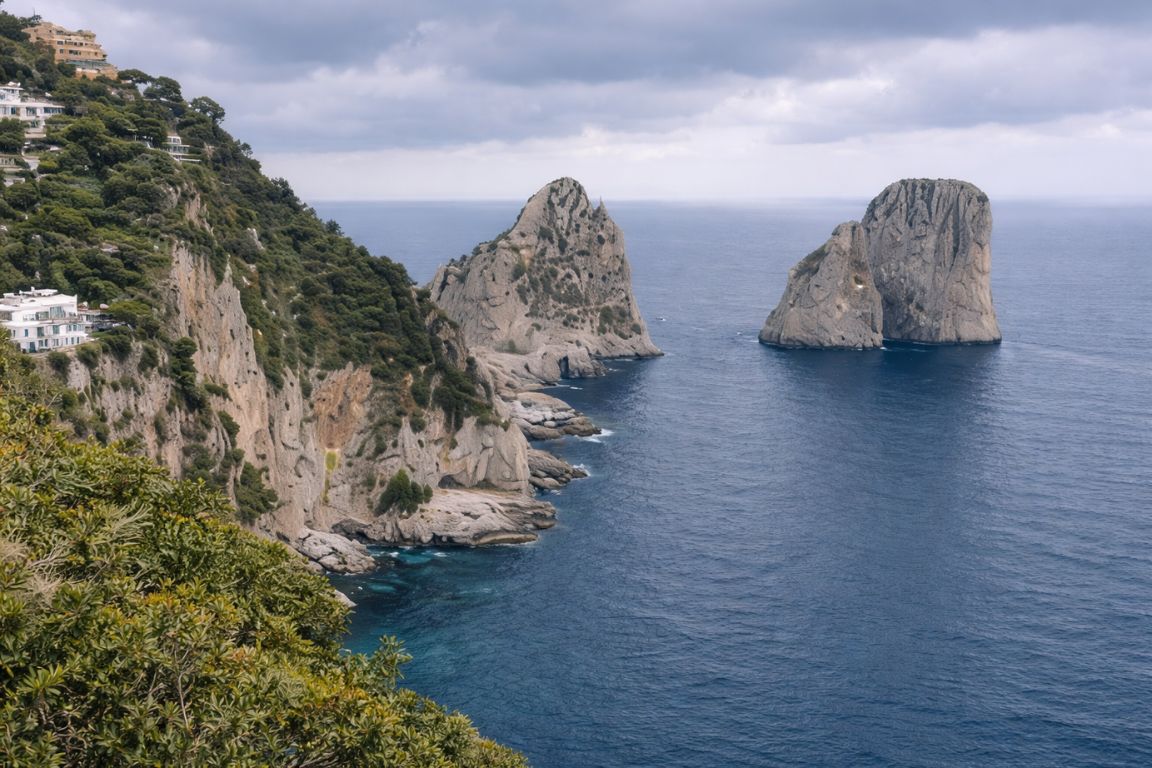
Capri is a full day. No exceptions. The Blue Grotto, Monte Solaro by chairlift, Anacapri, and a boat tour around the Faraglioni rocks – these require time to sequence properly. Capri as a half-day trip from the coast produces regret.
Need help with logistics? Check out our breakdown on how to plan a trip to Italy Amalfi Coast tours – from choosing your base town to navigating those narrow coastal roads.
Want to include Ravello as well as the waterfront towns? Visit Positano, Amalfi and Ravello on a guided day from Sorrento, with free time in the towns. Discover Positano, Amalfi & Ravello
What Do Most Travelers Wish They’D Known About Pacing?
The most common regret we hear from returning travelers isn’t about towns they missed – it’s about time they didn’t give themselves to stop moving. The Amalfi Coast is not a destination you process efficiently. The people who come back talking about it for years are the ones who had a slow afternoon with nowhere to be, not the ones who crossed every item off a list. Build at least one genuinely unscheduled half-day into every trip here.
The logistics mindset is the enemy of a good coast trip. It creeps in naturally because the coast requires so much actual planning: ferry times, bus connections, hotel check-ins scattered across different towns. People spend months researching the logistics and then arrive on the coast and keep operating in logistics mode, ticking off experiences rather than having them.
Practical pacing choices to consider:
Moving accommodation between multiple towns in a short trip almost always backfires. The effort of packing, moving, and settling in again costs you hours and energy that could go into the coast itself. One base, maximum two, works better for trips under a week.
The early morning is the Amalfi Coast before it becomes an Instagram backdrop. The piazzas are empty, the light is different, the locals are actually there. Travelers who build in one early walk, before 8 AM, describe it as the single best thing they did. This requires no planning. Just an alarm.
And the nights matter. The coast at 9 PM, when the day-trippers are gone and the restaurants are full of people with nowhere to be until morning, is a different place. This only happens if you’re staying there. Day-trippers don’t see it. It’s one of the best arguments for adding a night to whatever you’re planning.
Still working out how many days you actually need? If you want one booked day that covers the three towns this page treats as the core, check the Sorrento to Amalfi Coast tour to Positano, Amalfi, and Ravello.Have a free slot in your Amalfi stay? Check the cooking sessions before planning dinner elsewhere. Make local dishes in an Amalfi-area cooking class, with a choice of menus and a tasting of your work. Choose Your Amalfi Cooking Date
How Should You Split Your Days If You’Re Also Visiting Naples, Capri, Or Pompeii?
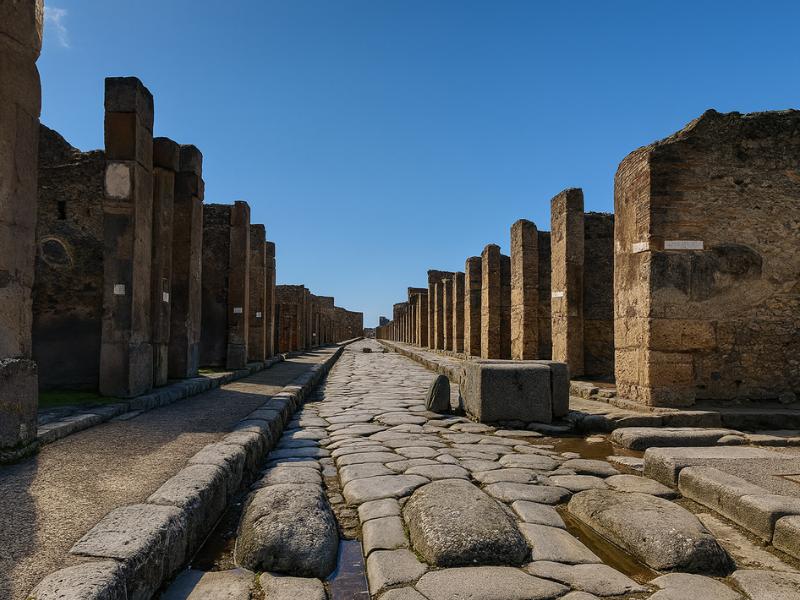
The most practical structure for a combined Campania trip: use Sorrento as a transit base for the first two to three nights (train access to Pompeii and Herculaneum, ferry access to Capri and the coast), then move to Amalfi town for three to four nights for the coast itself. This way you’re not doing Pompeii as a day trip from Amalfi, which requires a long bus-and-train journey, and you’re not trying to reach Ravello from Sorrento, which is genuinely inconvenient.
| Capri | 1 full day | Amalfi or Positano | Book ferry ahead in July/August |
| Pompeii | 1 full day | Sorrento (Circumvesuviana train) | From Amalfi, requires bus + train: time-consuming |
| Naples | 1-2 days | Naples itself or Sorrento | Naples warrants its own stay; day trip is surface only |
| Path of the Gods hike | Half to full day | Amalfi town (direct bus to Bomerano) | 3-5 hrs depending on route; bring water and good shoes |
| Herculaneum | Half to full day | Sorrento or Naples | Smaller than Pompeii, more intact; often overlooked |
| Paestum (Greek temples) | Half day | Salerno | Underrated; requires extra logistics from the coast |
Pompeii from Amalfi is the most common logistics trap. People see it on the map and assume it’s a reasonable day trip. It isn’t, not without a car. The bus from Amalfi to Sorrento, then Circumvesuviana train to Pompeii, then reverse, can eat five or six hours in transit alone on a summer day. From Sorrento, the same trip is 30 minutes each way. If Pompeii is a priority, earn your Sorrento nights first.
A nine-day combined trip that works consistently well: two nights in Sorrento covering Pompeii, Herculaneum, and Capri from the western side; then five nights in Amalfi town covering the coast towns properly; then two nights anywhere you choose to slow down before departure. That structure doesn’t rush anything and lets each base do what it’s actually suited for.
Wondering how to squeeze in Pompeii? Check out our Amalfi Coast Pompeii itinerary – it’s actually easier to combine them than most people think.
How do Pompeii and Herculaneum tell different parts of Roman life? Explore Pompeii and Herculaneum with an archaeological guide and included entry to both sites. Discover Pompeii & Herculaneum With An Archaeologist
How Trip Length Changes The Planning Trade-Offs
Compare the trade-offs of each trip length against the places and experiences you want:
One or two days suits a focused sample. Three days allows the core towns with limited extras. Four or five days can accommodate a separate outing and some downtime. A week or longer gives more room for nearby destinations, beaches and flexible days.
A shorter stay gives arrival, departure and transfers a larger share of the trip. Add nights only if the experiences and slower pace they allow are worth the accommodation cost to you.
Keep the coastal-town outing together in your itinerary and allow for the journey from your base.Use a concrete itinerary to check how much time you want in each place. Review a three-day plan
Frequently Asked Questions: How Many Days On The Amalfi Coast
Choose the outing before filling the rest of your day. Compare three-town day and coast cruise by how each outing fits around the rest of your itinerary. Choose Your Three-Town Day Or Alternative
Is 3 days enough for the Amalfi Coast?
Three days covers the key towns – Positano, Amalfi, and Ravello – if you’re based in one place and don’t waste time moving accommodation. What you won’t have is Capri, any meaningful hike, or the feeling of having settled in. Three days is a strong highlights trip for travelers folding the coast into a wider Italy itinerary. For anyone making it the centerpiece of the journey, four to five days is meaningfully better.
Keep the three-day route focused before adding Capri or a hike. Plan three usable days
Is one day on the Amalfi Coast worth it?
Yes, with calibrated expectations. A day trip from Naples, Sorrento, or Rome gives you a real glimpse of the coast, especially if you take a boat tour or ferry rather than spending the day on buses. You won’t feel the coast – you’ll see it. That’s still worth doing if it’s what the schedule allows. Just know the difference between seeing something and experiencing it.
For a single day, choose a realistic slice of the coast and protect the return journey. Plan a one-day visit
How many days do you need to do Capri and the Amalfi Coast?
Add one full day for Capri on top of your core Amalfi Coast itinerary. Capri as a half-day from the coast is rushed and you won’t fit in what makes it worth going. A dedicated day – early ferry, boat tour around the island, afternoon exploring Anacapri or the town – is how Capri actually delivers. So if you’re planning three days for the coast, plan four days total if Capri is on the list.
Want to see Capri from the water and explore ashore? Cruise to Capri from Sorrento with an English-speaking skipper, refreshments and time to explore the island. Discover The Capri Boat Day From Sorrento
What is the best month to visit the Amalfi Coast?
September. Crowds are noticeably thinner than July and August, the sea is still warm enough to swim, ferries run full schedules, and prices are lower than peak summer. Late May and early October are close seconds. July and August are spectacular but require more planning, more patience, and generally more days to accomplish the same things.
Balance weather, services and crowd tolerance when choosing your dates. Compare travel seasons
Should I base myself in one town or move around?
For trips under a week, one base works better for most travelers. The time lost moving accommodation – packing, transit, settling in, finding your bearings – costs more than the novelty of sleeping in different towns. Amalfi town is the most practical single base for car-free travelers. Two bases over a week can work well: Sorrento for the first chapter (Pompeii, Capri), then Amalfi town for the coast itself.
Choose the base that supports most of your planned outings, not a new hotel for every stop. Compare suitable bases
Can I do the Path of the Gods hike in half a day?
The trail itself – 7.8 km from Bomerano to Nocelle – takes 1.5 to 3 hours to walk depending on pace and how long you stop for views. But factor in transit time to the trailhead: from Amalfi town, a direct bus to Bomerano runs about 45 minutes. Budget a full morning minimum, or ideally a full day if you want to include Positano on the descent.
Planning your trip and still working out the days?
Keep the time for Amalfi and Positano clear before adding a separate excursion.
Written by Vincent Moretti
Italian (Amalfi Coast) tour guide since 2012 · Founder, Italy Amalfi Coast Tours
Vincent has guided over 6,800 travelers along the Amalfi Coast and throughout southern Italy since founding the agency.
Allow for the approach and onward journey as well as walking time; a half-day slot may be too tight. Check the hiking-day logistics