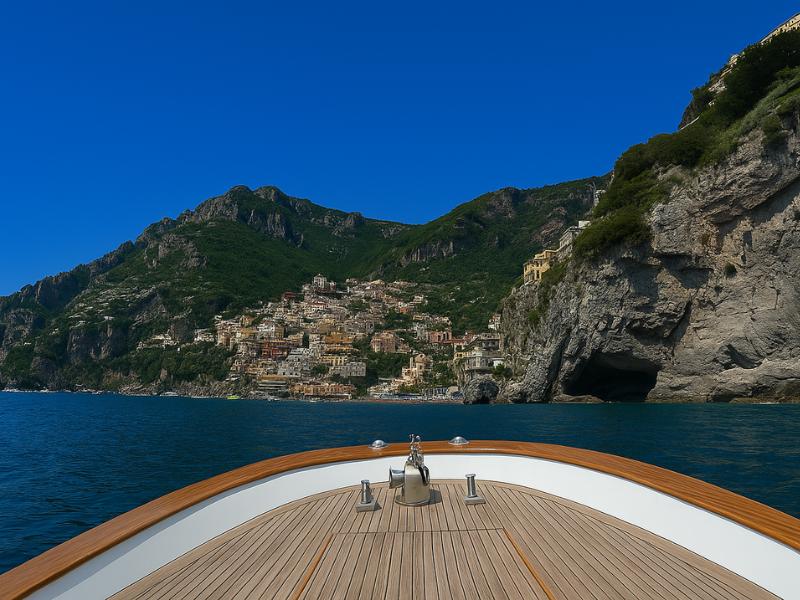
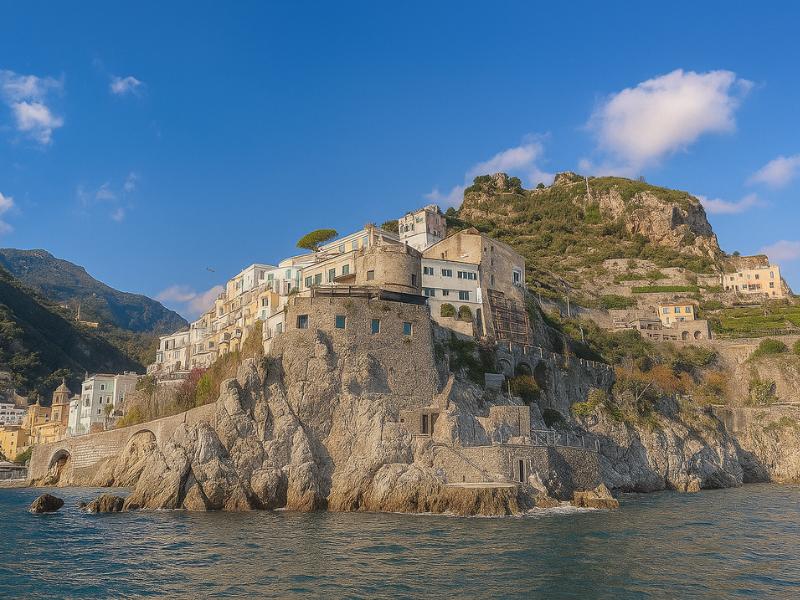
Amalfi Coast + Pompeii Itinerary
Amalfi Coast + Pompeii? Give it 4 days, base in Sorrento or Salerno, visit Pompeii at opening, and avoid rushed Rome day trips. Plan it right.
Keep Pompeii and the coast as separate main outings so each receives the time its journey and visit need. Choose Your Experience Below.
| Distance Pompeii to Amalfi | 36 km by road, no direct route (via Sorrento or Salerno) |
| Minimum realistic days | 4 days (1 Pompeii, 3 Amalfi Coast towns) |
| Best base for both | Sorrento (central) or Salerno (eastern coast access) |
| Train Sorrento-Pompeii | 30 minutes, €2.60, every 30 min (Circumvesuviana) |
| Pompeii entry fee | €18 (nominative ticket, 20,000 daily cap, book ahead) |
| Time needed at Pompeii | 3-4 hours with guide (2 hours rushed, 5+ for deep dive) |
| Best sequence | Pompeii first (morning), then coast relaxation |
Transport costs and entry fees verified February 25, 2026
Book a Pompeii visit for the history day and keep a separate boat or coastal-town day. The Pompeii meeting point is at the archaeological site unless the selected listing expressly includes transfers. Explore the guided Pompeii and Herculaneum visitExplore the guided Pompeii and Herculaneum visit.
How Many Days Do You Need For Amalfi Coast And Pompeii?
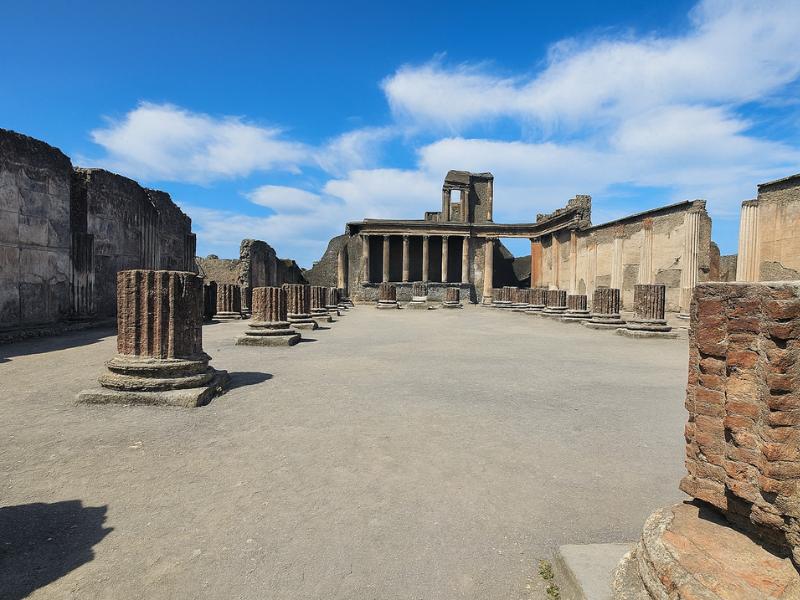
Four days minimum if you want to experience both destinations properly rather than just photograph them. This breaks down to one full day for Pompeii (including travel and 3-4 hours at the ruins) and three days to cover the main Amalfi Coast towns without constant ferry-hopping. Anything less turns into logistics management. Five to seven days lets you actually relax between sightseeing, which is the entire point of visiting the Italian coast.
The pattern we see repeatedly: travelers book three nights thinking it’s enough, then spend two days in transit between places and one day recovering from the heat at Pompeii. They leave feeling they missed something, which they did. The rhythm that produces satisfaction requires buffer time. A morning at Pompeii followed by afternoon arrival on the coast. A full day exploring just Positano and Amalfi by ferry. Another day for Ravello or a boat tour. Maybe Capri if you stretch to five days.
Here’s the math that actually works based on our client patterns since 2012: Day 1 gets consumed by arrival and settling in (even if you land in Naples at noon, you’re not touring Pompeii until the next morning). Day 2 is Pompeii. Day 3 is your first proper coast exploration. Day 4 gives you a second coastal experience. Day 5 is departure logistics. That’s five nights minimum to have four productive days.
The two-night travelers who arrive evening Day 1, do Pompeii morning Day 2, attempt Amalfi Coast afternoon Day 2, then depart morning Day 3? They see both places in the technical sense. They also spend a substantial part of the short stay managing luggage and transport. This is checklist tourism at its finest.
What changes the calculation: If Pompeii is your primary reason for coming and the coast is secondary scenery, three nights can work. Arrive afternoon, Pompeii next morning, two afternoons/evenings experiencing whatever coastal town you’re based in, depart. You’re not getting the full coast experience, but you’re not pretending to either.
If the coast is primary and you’re adding Pompeii as an extra, then budget four to five nights on the coast itself and accept that Pompeii consumes one full day. Train there morning, 3-4 hours touring with the heat and crowds, train back afternoon, evening arrival means you’re done for the day. The ruins are spectacular but they’re also physically draining in a way the coastal towns aren’t.
Planning your Italy schedule? This breakdown of how many days you need on the Italy Amalfi Coast tours shows you what’s possible with 2, 3, or 4 days along the coast.
Should You Base In Amalfi Or Sorrento For Pompeii Access?
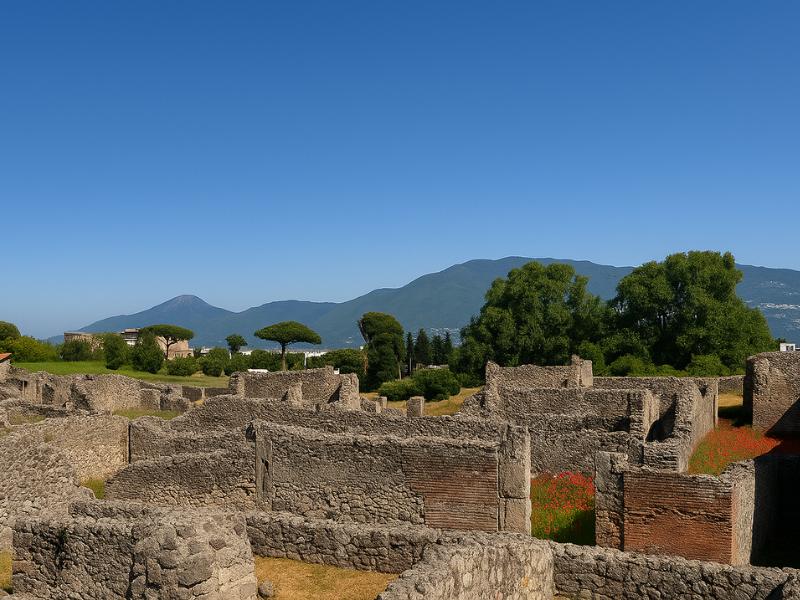
Sorrento wins for most travelers combining both destinations because the Circumvesuviana train to Pompeii runs every 30 minutes (30 min journey, €2.60), while Sorrento also has ferry connections to the main Amalfi Coast towns April through October. You stay in one place and day-trip both directions. Salerno works as a secondary option if you’re prioritizing the eastern coast (Amalfi, Atrani, Cetara) and check the direct regional train options to Pompei and the walk to the relevant entrance.
Let’s break down the actual logistics because this is where most itineraries fall apart. Sorrento sits at the western end of the Sorrentine Peninsula, with Pompeii 25 kilometers north along the same train line. The Circumvesuviana station is in the center of Sorrento, walking distance from most hotels. You wake up, walk to the station, board a train, 30 minutes later you’re at Pompeii Scavi entrance. No transfers, no complexity.
From Sorrento, ferries run to Positano (25-30 min, €17), Amalfi (45 min, €19), and Capri (20 min, €19) during season. You have direct water access to the famous coastal towns without touching the Amalfi Drive bus system. The town itself has decent restaurant options, grocery stores, a harbor area for evening walks. It’s not picturesque in the way Positano is, but it functions as a base.
The downside of Sorrento: It’s not technically on the Amalfi Coast. You’re always traveling to the experiences rather than waking up in them. The ferry ride to Positano is beautiful but it’s still 25 minutes each way. If you want to spend an evening wandering Positano’s lit-up streets after dinner, you’re looking at the last ferry back (usually around 8pm summer season) or expensive taxi over the mountains (€80-90).
Salerno positions you at the eastern end of the Amalfi Coast, with Amalfi town 25 minutes away by ferry (€8), Positano 70 minutes (€19). The advantage is proximity to Amalfi, Atrani, Cetara, Maiori, the smaller towns that see fewer tourists. Salerno itself is a working city with lower accommodation costs than Sorrento or any coastal town. If you’re prioritizing authentic Italian experience over postcard views, this matters.
Getting from Salerno to Pompeii requires the regional train to Pompeii station (45 minutes, €3.50), which is separate from the more famous Pompeii Scavi station. From Pompeii station you walk 15 minutes to the ruins or take a local bus. It’s doable but adds friction compared to Sorrento’s direct line to the main entrance.
| Sorrento | Direct train 30 min (€2.60) to main entrance | Ferry to Positano 25 min, Amalfi 45 min (seasonal) | Balanced access, first-time visitors, May-Oct travel |
| Amalfi town | Bus to Salerno, train to Pompeii (2+ hours total) | Ferry to Positano 25 min, walking to Atrani 5 min | Coast priority, Pompeii as day trip, central base |
| Salerno | Regional train 45 min (€3.50), 15 min walk to ruins | Ferry to Amalfi 25 min, Positano 70 min (year-round service) | Budget travelers, eastern coast emphasis, off-season |
| Positano | Ferry to Sorrento, train to Pompeii (2 hours), or private driver €130 | You’re already there, ferry to Amalfi 25 min | Coast immersion, budget unlimited, Pompeii secondary |
| Naples | Direct train 30 min (€3.30) from Garibaldi station | Ferry from port (1.5 hours to Sorrento), or bus to Sorrento then ferry | Museum priority (Archaeological Museum), urban experience |
Sorrento gives a rail connection toward Pompeii and access to coastal excursions; Amalfi prioritizes the coastal base; Salerno offers another rail gateway. Compare the actual room quote and full route to the Pompeii meeting point before choosing.
What doesn’t work: Basing in Positano when Pompeii is part of your plan. You’re on the western end of the coast, farthest from Pompeii, with stairs and luggage and expensive everything. The 1,700 steps between sea level and hillside hotels mean dragging bags is a genuine ordeal. Save Positano for day visits via ferry from wherever you’re actually staying.
Choose the base for your rail and coast connections before selecting a Pompeii meeting time. Compare your base options
What’S The Best Order: Pompeii First Or Amalfi Coast First?
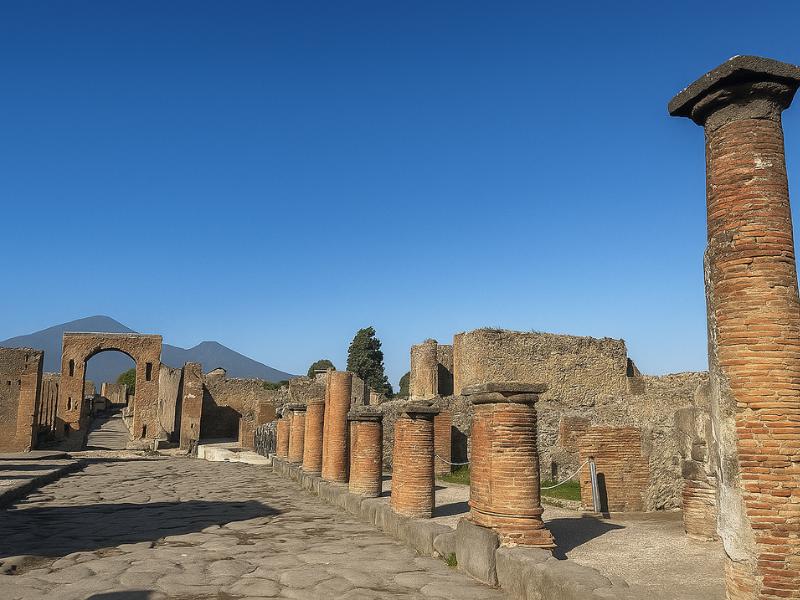
Pompeii first, in the first 48 hours of your trip, ideally on a morning when you’re fresh. The ruins are physically demanding (uneven stone walkways, full sun exposure, 3-4 hours of standing and walking), and the heat from volcanic rock intensifies by afternoon. Do this while you still have energy, then reward yourself with coastal relaxation. The reverse order means ending your trip with exhausting historical ruins instead of beach clubs and prosecco.
Here’s what actually happens on the ground at Pompeii in different scenarios: You arrive at 9am opening (April-October). The site is relatively empty for the first hour. Temperature is 22-25°C, manageable. You cover the Forum, House of the Faun, Villa of Mysteries, Amphitheatre, the main highlights with a guide in 3 hours. By noon you’re back at the entrance, somewhat tired but satisfied. You’re on a train to the coast by 12:30pm, arriving at your base by 1:30-2pm, in time to check in, shower, maybe catch the beach or a late lunch. The evening is yours.
Versus: You schedule Pompeii for Day 3 after spending two days on coastal beaches and boat tours. You’re already sun-tired. You arrive at Pompeii at 11am because you didn’t set an alarm on vacation. Temperature is now 30-32°C by the time you’re walking the ruins. Cruise ship groups have filled the main paths. Every photo has 30 strangers in the background. By 2pm you’re overheated and your feet hurt and you just want to sit in shade. The experience feels like work.
The psychological dynamic also matters. Pompeii is heavy. You’re walking through a city where 2,000 people died suddenly and violently. The plaster casts of victims are displayed in the Garden of the Fugitives. It’s profound and unsettling and not the note you want to end a vacation on. Start with the history lesson, process it, then spend the rest of your trip in beautiful present-day Italy eating seafood and watching sunsets.
The sequencing we recommend to clients: Arrive Naples afternoon or evening Day 1. Morning Day 2, train to Pompeii at opening, 3-4 hours with guide, early afternoon train to your coast base (Sorrento or Salerno). Day 2 evening through Day 5 morning is pure coast time. You’ve checked the cultural box and can now focus on the experiences that make the Amalfi Coast special.
The alternative that also works: If you’re flying into Naples and renting a car or hiring a private driver, visit Pompeii en route from airport to coast. Land morning flight, driver meets you with luggage in vehicle, stop at Pompeii for 3 hours, continue to coastal hotel by late afternoon. This eliminates backtracking and you never touch public transit with bags. Costs €200-250 for the private transfer but saves a full day of logistics.
What fails consistently: Trying to do Pompeii the same day you arrive internationally. We had an American couple fly overnight from New York, land in Naples at 9am, go directly to Pompeii (they’d pre-bought tickets), and by hour two the wife was sitting on ancient stones nearly passing out from jet lag and heat. They left early and felt they’d wasted the entry fee. Sleep first, ruins second.
How Do You Actually Get From Amalfi Coast To Pompeii?
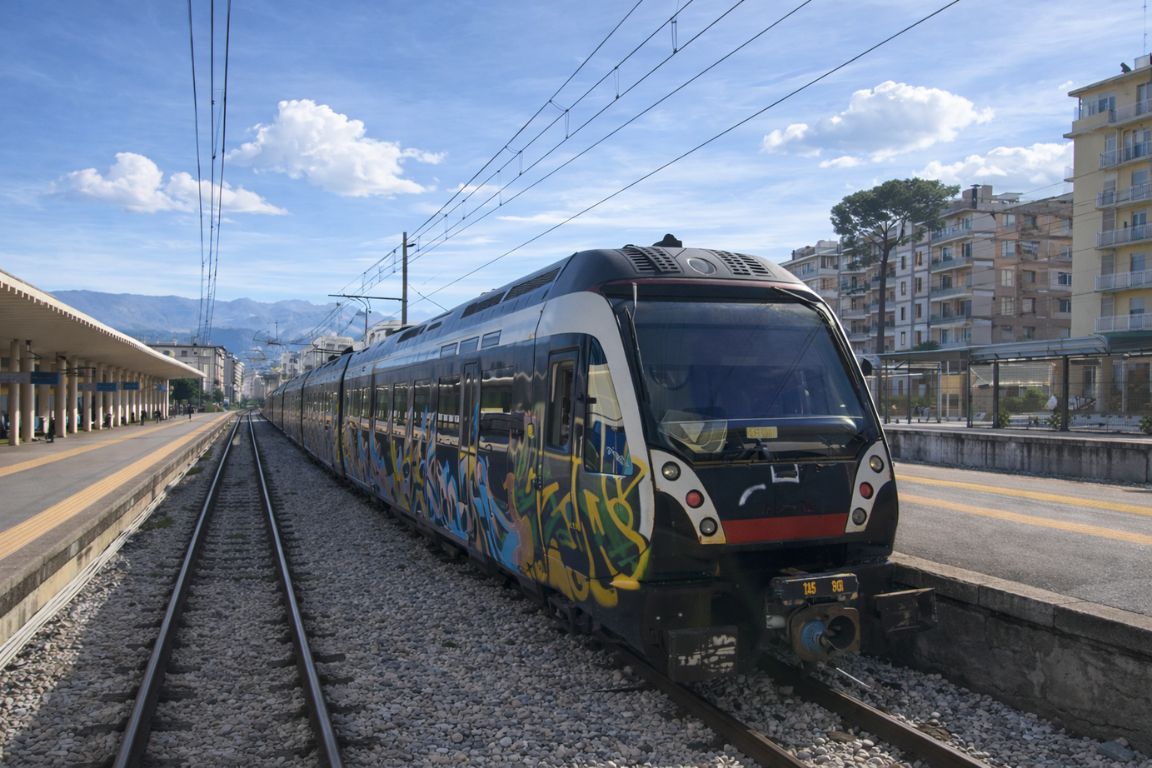
The Circumvesuviana train from Sorrento (€2.60, 30 min, every 30 min) is the standard route, though the trains are crowded commuter style with no guaranteed seating. The Campania Express tourist train (€4-6, seasonal March-October, fewer daily departures) offers air conditioning and reserved seats. From Amalfi town itself, you’re looking at bus to Salerno (45 min), train to Pompeii (45 min), or a private driver (€120-150 one way) to skip the transfers entirely.
Let me be specific about what you’re signing up for with each option because the experience varies significantly:
Circumvesuviana standard train: Departs Sorrento station (Corso Italia, town center) every 30 minutes starting around 6am through 10pm. Ticket costs €2.60, no reservation possible, buy at station window or tobacco shop. The train is basic commuter service. Hard plastic seats, no air conditioning on most cars, gets very crowded especially mid-morning through afternoon. In summer heat this means standing room only pressed against strangers while the train lurches around curves.
But it works. Thirty minutes from Sorrento to Pompeii Scavi-Villa dei Misteri station, which is literally across the street from Porta Marina entrance. You exit the train, cross the road, you’re at the ruins. No confusion, no taxi needed. On the return trip, same simplicity. The early morning trains (before 9am) are less crowded because you’re traveling against commuter flow.
Campania Express tourist train: Runs seasonal March through October with 4-6 daily departures. Tickets cost €4 Sorrento to Pompeii (€6 from Naples), reserved seating, air conditioning, luggage space. You’re paying double the standard train price for comfort. The train makes fewer stops (Sorrento, Pompeii, Herculaneum, Naples) so the journey is slightly faster. If you’re traveling with luggage or elderly family or just hate being squeezed onto crowded trains, this is worth the extra €1.50.
You book tickets online through EAV Campania website (sometimes glitchy) or at station ticket office 20 minutes before departure. The schedule is limited, so you’re locked into specific departure times rather than the flexibility of catching any train every 30 minutes.
From Amalfi town to Pompeii: No direct train option exists. You take SITA bus from Amalfi to Salerno (45 minutes, €2.50, buses run hourly), then Trenitalia regional train from Salerno to Pompeii station (45 minutes, €3.50). Total journey time is around 2 hours if connections align, longer if you miss a bus or train. From Pompeii station you walk 15 minutes to the ruins entrance or catch a local bus.
This route works if you’re already staying in Amalfi and don’t want to relocate to Sorrento. The bus portion can be crowded in summer (standing room common), and the train from Salerno deposits you at Pompeii station rather than Pompeii Scavi, meaning extra walking. But total cost is €6 each way versus €120+ for private driver.
Private driver option: Any coast town to Pompeii runs €120-150 one way, €220-280 round trip with waiting time at the ruins. The driver picks you up at hotel, drops you at Pompeii entrance, waits 3-4 hours in parking area while you tour, drives you back. If you’re a group of 4, the per-person cost (€55-70 each) approaches tour pricing but gives you flexibility on timing.
The advantage is total control over schedule and no dealing with train crowding or luggage. The disadvantage is cost and the fact that you’re sitting in a vehicle for transport that the train handles just as effectively. We generally recommend this only if you have mobility issues, traveling with young children, or combining Pompeii with other stops (Herculaneum, Vesuvius winery) where driving makes sense.
| Sorrento to Pompeii | Circumvesuviana train (standard) | €2.60 | 30 minutes |
| Sorrento to Pompeii | Campania Express (tourist train, seasonal) | €4 | 25 minutes |
| Amalfi to Pompeii | Bus to Salerno + regional train | €6 (€2.50 + €3.50) | 2 hours (with connections) |
| Any coast town to Pompeii | Private driver (one way) | €120-150 total | 45-60 minutes |
| Naples to Pompeii | Circumvesuviana from Garibaldi station | €3.30 | 30 minutes |
Transport costs verified February 25, 2026 from official EAV and Trenitalia sources
The practical tip nobody mentions: The Pompeii Scavi station has luggage storage (€5-7 per bag) if you’re visiting en route between destinations. Land in Naples morning, train to Pompeii, store bags at station, tour ruins, collect bags, continue to Sorrento or coast. This eliminates the need to check into a hotel first just to drop luggage.
We’ve mapped out Italy Amalfi Coast tours without a car because public transport and ferries work surprisingly well once you understand the system.
A Pompeii guide booking may start at the ruins; arrange the rail or road connection separately unless transfers are listed. Plan access to the ruins
What’S The Realistic Time Breakdown For Pompeii?
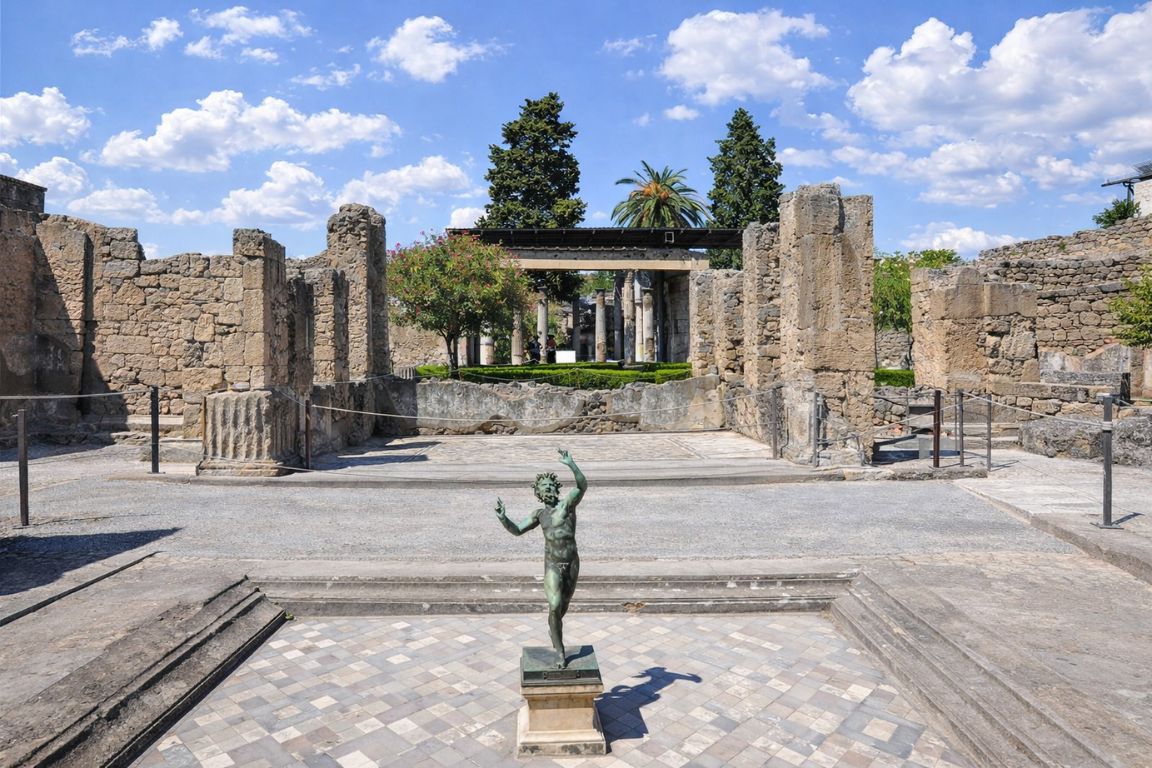
Three to four hours with a guide covers the essential sites (Forum, House of the Faun, Villa of Mysteries, Amphitheatre, brothel, bakery, thermal baths) without feeling rushed. Two hours is bare minimum and you’ll skip significant areas. Five to six hours allows comprehensive exploration including suburban villas. Add 90 minutes minimum for round-trip transport from any Amalfi Coast base, meaning Pompeii consumes half a day regardless of how long you stay inside.
The site covers 66 hectares. You cannot see everything. The official routes (Circuit 1, 2, 3) launched in 2023 to manage flow, but most tourists ignore the circuit system and just wander with a guide or audio guide following the main paths. Let me break down what you actually accomplish in different time allocations:
Two hours (rushed minimum): You hit the Forum with Vesuvius backdrop, walk through one or two houses like Casa del Fauno, see the plaster casts in Garden of the Fugitives, maybe the Amphitheatre if you hustle. This is sprint tourism. You’ll see the greatest hits but you won’t understand what you’re looking at beyond “ancient Romans lived here, volcano killed them.” The guide doesn’t have time to explain context or answer questions. You leave vaguely dissatisfied.
Three to four hours (standard guided tour): The route depends on the guide, the ticket and which buildings are open. Your guide covers the main public buildings (Forum, basilica, temples), explains the street layout and drainage systems, shows you a complete wealthy house (Casa del Fauno with its famous Alexander mosaic, though the original is in Naples museum), a middle-class house, a bakery with millstones, the brothel with explicit frescoes, thermal baths showing how Romans bathed, the Amphitheatre that seated 20,000, and finishes at Villa of the Mysteries just outside the main gate with its extraordinary ritual frescoes.
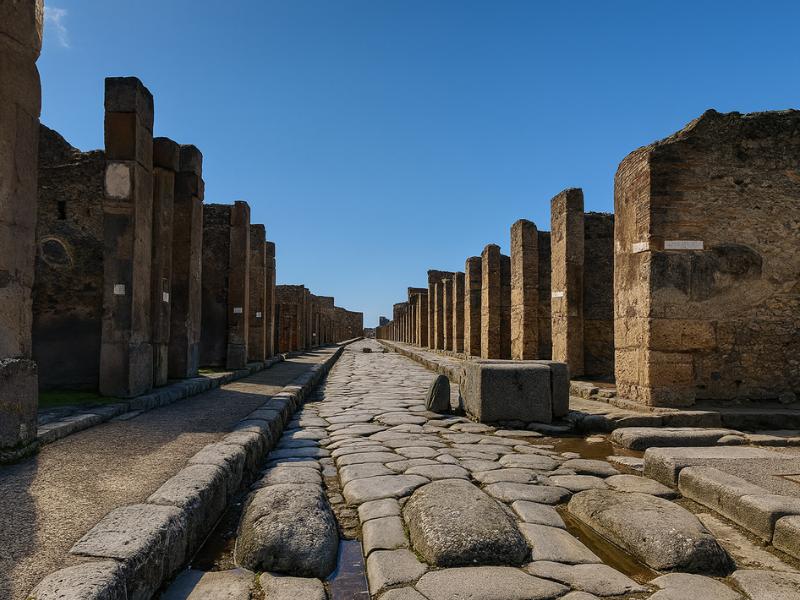
You have time to absorb what you’re seeing. The guide explains that the ruts in stone streets are from Roman cart wheels, that those holes in counters held food amphorae in ancient fast-food shops, that the graffiti on walls includes political slogans and crude jokes. The ruins come alive as a city rather than just old stones. You leave understanding Roman daily life in ways textbooks never convey.
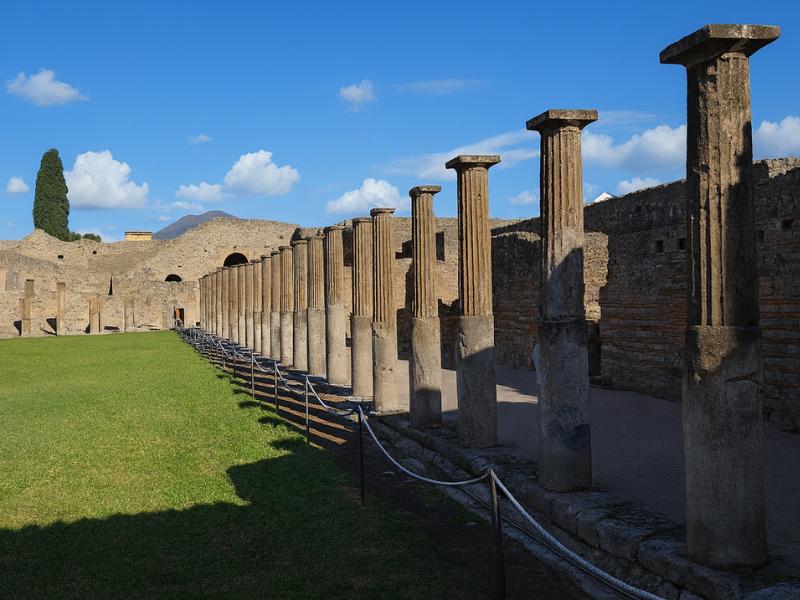
Five to six hours (comprehensive): This is for serious history enthusiasts or second visits. You cover everything in the standard tour plus additional houses like House of the Vettii (currently under restoration, check status), House of the Tragic Poet, more suburban villas, the Stabian Baths in full detail, the large palaestra (gymnasium). You can pause to photograph details without feeling rushed. You might bring lunch to eat inside (no restaurants in the site, but you can picnic at designated areas).
The problem with spending this long: Physical exhaustion. The walkways are uneven volcanic stone and ancient paving. Your feet and legs feel it by hour three. There’s minimal shade inside the site except some trees and covered areas. Summer temperatures on the dark volcanic rock reach 35-38°C with sun beating down. Water bottles empty fast. By hour five most people are done regardless of remaining sites.
The guide question everyone asks: Do you need one? Technically no. You can wander on your own with an audio guide (€8 at entrance) or free apps. But Pompeii without context is just ruins. With a knowledgeable guide, you understand you’re standing in the Forum where citizens conducted business 2,000 years ago, where political candidates painted election slogans, where merchants sold goods we can still identify from carbonized remains.
The guides at Porta Marina entrance (official guides with Campania region credentials) charge €120-140 for a group up to 10 people, 2-hour tour. If you’re solo or a couple, you wait for other tourists to form a group. The wait can be 20-60 minutes depending on season and luck. Or book the guided Pompeii visit in advance so you are not waiting at the gate for a group to form.
A guide can add historical context and help structure the visit. Independent exploration is also possible; choose the format based on how much explanation you want and the time you have.
Which Amalfi Coast Towns Work Best In A Combined Itinerary?
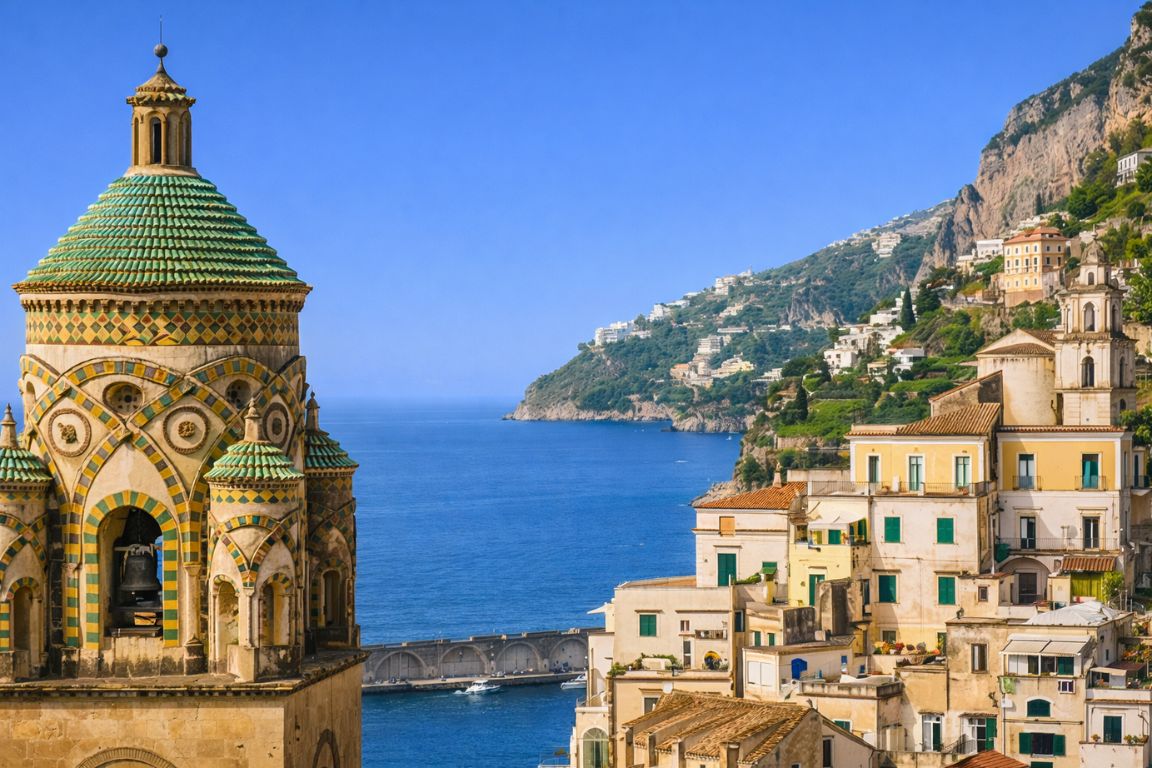
When time is limited by the Pompeii day, focus on three coast towns maximum: Positano for the Instagram photo, Amalfi as your functional base with cathedral and coastal access, and Ravello for elevation perspective and villa gardens. Skip Capri unless you’re staying six nights or longer. The smaller towns (Atrani, Praiano, Cetara) offer authentic experiences but require extra days that combined itineraries rarely allow.
The mistake everyone makes: trying to see seven towns plus Pompeii plus maybe Capri in four days. They spend more time on ferries and buses than actually experiencing anything. The version that works better is depth over breadth. Pick the essentials, experience them properly, accept that you’re leaving things for the hypothetical return trip.
Positano deserves exactly what I outlined in the previous Amalfi Coast article: ferry in at 9am before crowds arrive, walk the town for 2 hours, ferry out by noon. You get the vertical village photo, the beach view, an espresso at a waterfront table. That’s the Positano experience for most people. The ones who stay overnight are either honeymooners with unlimited budgets or people who specifically want that slower Positano evening pace. In a combined itinerary with Pompeii consuming one full day, you don’t have room for overnight diversions.
Amalfi town functions as your working base for reasons covered earlier. Central ferry access, flat enough to navigate without mountaineering, hotels at various price points, restaurants beyond tourist traps if you walk inland three streets. The cathedral and Cloister of Paradise take 45 minutes. The rest is living there, evening passeggiata, finding your favorite cafe, settling into Italian coastal rhythm.
Ravello requires a half day. Bus or taxi up the mountain (30 minutes from Amalfi, road is winding so take motion sickness pills if prone), Villa Rufolo gardens (1 hour), Villa Cimbrone and Terrace of Infinity (1 hour), lunch at a terraced restaurant, bus back down. You’re done by 3pm. The elevation gives you perspective on the entire coast you can’t get from sea level. It’s worth the trip, but it’s not an all-day affair unless you specifically want to relax in Ravello’s gardens for hours.
Atrani (5-minute walk from Amalfi through a tunnel) is where you go for authentic dinner away from Amalfi’s tourist pricing. Praiano sits between Positano and Amalfi with fewer crowds but also fewer ferry options. Cetara is for anchovy lunch and fishing village atmosphere. All lovely. All require specific interest and extra time that four-day combined itineraries rarely provide.
Capri is the contentious one. It’s spectacular. The Blue Grotto (when accessible) is stunning. The Faraglioni rocks are iconic. It’s also a full day minimum. Ferry from Sorrento or Amalfi (20-70 minutes depending on departure point, €19-28), exploration of Capri town and Anacapri, Blue Grotto attempt if conditions allow, ferry back. You’ve just used one of your four precious days on an island rather than the Amalfi Coast itself.
The math for a four-day combined itinerary: Day 1 is arrival and settling. Day 2 is Pompeii. That leaves Day 3 and Day 4 for coast towns before Day 5 departure. Two productive coast days means picking wisely. Capri consumes one of those days entirely. Is it worth it? Depends entirely on your priorities. First-time visitors tend to include it. Return visitors who’ve already seen Capri skip it to focus on lesser-known coast areas.
| 3 days (rushed) | Morning Day 2 | Positano + Amalfi only (ferry between both) | Ravello, Capri, smaller towns, hiking |
| 4 days (minimum comfortable) | Morning Day 2 | Positano, Amalfi base, Ravello half-day | Capri, Atrani dinner optional, no hiking |
| 5 days (balanced) | Morning Day 2 | Positano, Amalfi base, Ravello, Capri OR boat tour | Can’t fit both Capri and boat tour comfortably |
| 6-7 days (full experience) | Morning Day 2 | All main towns, Capri, boat tour, Path of Gods hike, smaller towns | Nothing major, can explore at leisure |
Keep the combined itinerary focused on the experiences that matter most. Pompeii, coastal towns, Capri and a major hike each need time; adding all of them can crowd out the rest you intended.
Want to get the planning right? This breakdown of how to plan a trip to Italy Amalfi Coast tours covers all the details most people only figure out after they’ve already made expensive mistakes.
Choose your three-town tour date before filling the rest of your Sorrento stay. Visit Positano, Amalfi and Ravello on a guided day from Sorrento, with free time in the towns. Check Your Three-Town Tour Date
What Are The Day-By-Day Routes That Actually Work?
The three-day sprint: Arrive Sorrento afternoon Day 1, Pompeii morning Day 2 then ferry to Positano afternoon, Amalfi day visit Day 3, depart morning Day 4. The four-day standard: Same start, add Ravello half-day on Day 3. The five-day comfortable: Add Capri or boat tour on Day 4. These sequences eliminate backtracking, manage luggage once, and keep transport simple. Anything else introduces unnecessary complexity.
The following example itineraries show ways to separate the ruins, coastal towns and a flexible activity day. Confirm the actual transport times before using them for your dates.
Three-Day Itinerary (Minimum Viable):
Day 1 (Arrival): Land Naples airport or train station, transport to Sorrento (Curreri bus from airport €10, 75 min, or train from Naples Centrale 70 min). Check into hotel, evening walk around Sorrento center, dinner. Sleep.
Day 2 (Pompeii + Coast Intro): Circumvesuviana train to Pompeii 8:30am departure, arrive 9am at ruins opening. Pre-booked 3-hour guided tour 9am-noon. Train back to Sorrento by 1pm, lunch at station area, 2pm ferry to Positano (25 min). Afternoon in Positano, ferry back to Sorrento by 7pm. Dinner in Sorrento.
Day 3 (Amalfi): Morning ferry Sorrento to Amalfi (45 min), explore Amalfi town and cathedral morning, lunch, walk through tunnel to Atrani for quieter afternoon. Return ferry to Sorrento evening. Pack for departure.
Day 4 (Depart): Morning checkout, transport to Naples for onward travel or airport.
This itinerary is tight. You’re moving every day. But you hit the essentials: Pompeii for history, Positano for the view, Amalfi for the coastal town experience. Total cost breakdown: accommodation 3 nights Sorrento (€240-360 mid-range), Pompeii entry + guide (€138 for two), trains (€16), ferries (€76), meals (€180-240), transport Naples-Sorrento (€20). Total per person: €335-420 excluding flights/accommodation.
We’ve created a detailed 3-day Italy Amalfi Coast tours itinerary because three days lets you hit the must-sees while building in time for meals, beaches, and wandering without a schedule.
Four-Day Itinerary (Recommended Minimum):
Same as three-day through Day 2 evening. Changes on Day 3:
Day 3 (Ravello + Amalfi): Ferry to Amalfi morning, SITA bus or taxi to Ravello (30 min up winding road). Villa Rufolo and Villa Cimbrone 10am-1pm. Lunch in Ravello with terrace view. Bus down to Amalfi mid-afternoon, explore cathedral and town. Ferry back to Sorrento evening.
Day 4 (Flex Day): Choice: a 4-hour boat tour with snorkeling and drinks, or a relaxed morning in Sorrento plus an afternoon return to a favorite coast town, or a beach club day if weather perfect. Evening pack.
Day 5 (Depart): Morning checkout.
This version gives breathing room. You’re not constantly moving. The flex day means adjusting based on weather or energy levels. Add €60-80 per person for the extra night accommodation, €60-80 for boat tour if chosen.
Five-Day Itinerary (Comfortable):
Same foundation, add one of these on Day 4:
Option A – Capri: Ferry Sorrento to Capri 8:30am (20 min, €19), explore Capri town and Anacapri, optional Blue Grotto attempt (weather dependent), lunch with view, ferry back by 5-6pm.
Option B – Boat tour: Group boat tour departing Positano or Amalfi 9am, 4-6 hours covering full coastline with swimming stops, grottos, lunch included on some tours (€70-120).
Option C – Path of the Gods: Private driver to Bomerano 6:30am (€100-130), hike 7am start, finish in Nocelle by 10am, descend to Positano, ferry back to Sorrento afternoon.
Day 5 becomes the relaxed buffer day. Day 6 departure morning.
The pattern that consistently gets positive feedback: Pompeii early, coast exploration middle days, one adventure day (hike or Capri or boat), one rest day, depart. This rhythm prevents burnout while covering highlights.
What doesn’t work based on client feedback: Splitting accommodation between Sorrento and a coast town. The two hours lost checking out, transporting luggage, checking in at the new place, and getting oriented consumes time better spent on experiences. Stay in one base, day trip everywhere else.
What would you add to your independent day? Discover pompeii & herculaneum tour and coast cruise, with how each outing fits around the rest of your itinerary laid out below. Discover Pompeii & Herculaneum Tour & Alternatives
What Mistakes Do People Make Combining These Two?
The biggest mistake: attempting day trips from Rome (13+ hour tours that spend 6 hours in vehicles). Second: underestimating Pompeii’s physical demands in summer heat. Third: trying to tour Pompeii with luggage in tow while changing bases. Fourth: staying in Positano when Pompeii logistics require Sorrento. Fifth: not booking Pompeii tickets in advance and hitting the 20,000 daily cap.
Let’s be specific about what actually fails so you can avoid it:
Day trips from Rome: Tour companies sell Pompeii + Amalfi Coast day tours from Rome (€129-200). They depart Rome at 7am, drive 2.5 hours to Pompeii, 2 hours at ruins, 1.5 hours driving to Positano, 1 hour free time in Positano (maybe Amalfi also), 2.5 hours drive back to Rome, arrival 9-10pm. You’ve spent 13 hours traveling and standing, 6+ hours sitting in a bus, and 3 hours actually experiencing the destinations.
The reviews from these tours consistently mention: exhausting, too much time in vehicle, rushed, not enough time at sites, just a taste. Which is accurate. They’re sampler platters, not real experiences. If you only have one day from Rome, do Pompeii and return to Rome. If you want the coast, stay on the coast. Trying to do both from Rome is the definition of checklist tourism.
Pompeii in summer: plan for uneven walking surfaces and sun exposure. Bring water and suitable protection, take breaks and choose a visit time that fits your circumstances. A guided booking does not remove the physical demands.
The solution is obvious: Go at 9am opening. Bring 2 liters of water per person. Wear a hat. Take breaks in any shaded area. Or visit November through March when temperatures are 15-20°C. The ruins look the same, you just don’t suffer.
Want month-specific planning info? This Italy Amalfi Coast tours by month breakdown tells you exactly what changes from spring to summer to fall along the coast.
The luggage nightmare: Trying to check out of Naples hotel, take luggage to Pompeii, tour with bags in station storage, continue to Amalfi Coast with bags, all in one day. This sounds logical on paper. In practice: The Circumvesuviana train has stairs and no elevator. The Pompeii Scavi station storage is small lockers (€6) that fit one standard bag each, not large suitcases. If you have multiple bags or large luggage, you’re stuck.
Then continuing to the coast means either: 1) Train back to Sorrento with bags, then ferry to Amalfi with bags (ferries charge €3-4 per bag), or 2) Train to Salerno, bus along Amalfi Drive with bags (buses are crowded, limited luggage space). Both options are miserable. The simple solution is checking into Sorrento first, dropping bags, then doing Pompeii as a day trip. Or hire a private driver to handle bags in the vehicle while you tour.
Base location errors: Staying in Positano because it’s beautiful, then realizing the logistics to Pompeii require ferry to Sorrento (€17, 25 min, if weather permits), then train to Pompeii (€2.60, 30 min), then reverse. That’s 2 hours transport each way, plus the actual Pompeii time. And if ferries are cancelled for weather (which happens), you’re looking at private driver costs (€130 one way) or you miss Pompeii entirely.
Meanwhile someone in Sorrento just walks to the train station and is at Pompeii in 30 minutes. Base location matters enormously when combining destinations.
Ticket assumptions: Showing up to Pompeii without pre-booked tickets, especially May through October. The site has a 20,000 daily cap implemented in 2024. Popular days (weekends, holidays) sell out. You arrive at 10am, ticket office says no availability, your entire Pompeii day is dead. Book tickets online minimum 2-3 days ahead (official site pompeiisites.org or authorized resellers like Tiqets/GetYourGuide). They’re nominative tickets (your name required), bring ID to entrance.
We’ve seen this mistake repeatedly with clients who assume they can just buy at the gate like it’s 2019. Not anymore. The cap is real and enforced.
Unrealistic timing expectations: Planning to do Pompeii 9am-noon, then drive to Ravello for lunch, then Positano afternoon, then dinner in Amalfi, all in one day. This appears on paper itineraries frequently. What actually happens: Pompeii runs until 12:30pm because you stop for photos. You’re tired and hungry. The drive to Ravello with traffic takes 90 minutes. You have lunch at 2pm exhausted. The idea of seeing Positano afterward sounds awful. You end up in Ravello hotel for a nap. The ambitious itinerary collapses into reality.
Better planning: One major sight per day (Pompeii), plus maybe one supplementary sight (Positano ferry visit), plus meals and relaxation. That’s a full day. Stop trying to see five things daily.
Give Pompeii its own visit window and keep your remaining days for the coast.
Set aside the time for both archaeological sites before adding another excursion. Explore Pompeii and Herculaneum with an archaeological guide and included entry to both sites. Check Your Pompeii & Herculaneum Date
Frequently Asked Questions
Can you do Pompeii and Amalfi Coast in one day?
Technically yes if you start early and keep moving, but it’s miserable. You’ll spend more time in transit (2+ hours minimum) than actually experiencing either place. Pompeii needs 3-4 hours. The coast towns deserve slow exploration. One day means checklist tourism where you photograph both but experience neither.
Is Pompeii a day trip from the Amalfi Coast?
Yes, and this is the right way to combine them. Base on the Amalfi Coast (Sorrento or Amalfi town), dedicate one full day to Pompeii (train there morning, tour, train back afternoon), spend your other days exploring coastal towns. This keeps luggage in one place and treats each destination properly.
Should I stay in Sorrento or on the Amalfi Coast for Pompeii access?
Sorrento is the most practical base for combining both. Direct 30-minute train to Pompeii every 30 minutes, plus ferry access to coast towns in season. You get Pompeii convenience without sacrificing coastal access. Staying in Positano or Amalfi adds transport complexity.
How long do you need at Pompeii?
Three to four hours with a guide covers the essential sites without rushing. Two hours is bare minimum and feels incomplete. Add 90 minutes for round-trip transport from any Amalfi Coast base, so budget half a day total for the Pompeii experience.
What’s the best order: Pompeii first or Amalfi Coast first?
Pompeii first, in your first 48 hours. Do the physically demanding historical site while you’re fresh, then reward yourself with relaxing coastal days. The reverse order (ending with Pompeii) means finishing your vacation exhausted from heat and walking ancient ruins.
Is a day trip to Pompeii from Rome worth it?
Not if the Amalfi Coast is also involved. Rome to Pompeii works as a standalone day trip (high-speed train 70 min each way, 3-4 hours at site). But tours combining Pompeii + Amalfi Coast from Rome spend 6+ hours in vehicles for 3 hours of actual sightseeing. Stay on the coast instead.
Do I need to book Pompeii tickets in advance?
Yes. Since November 2024, Pompeii has a 20,000 daily visitor cap and requires nominative tickets. Popular dates (especially May-October weekends) sell out. Book online 2-7 days ahead through pompeiisites.org or authorized resellers. Bring ID matching your ticket name.
Can you do Pompeii with luggage?
The station has small lockers (€6 per bag) suitable for backpacks and standard suitcases. Large luggage is problematic. Better option: check into your base hotel first, drop bags, then do Pompeii as a day trip. Or hire a private driver who waits with your bags in the vehicle.
We’ve been running combined Amalfi Coast and Pompeii itineraries since 2012. The team handles all booking coordination, transport logistics, guide arrangements, and timing optimization so you experience both destinations at their best without the planning stress. Start planning your trip here.
Curious how the alternatives differ? Explore pompeii & herculaneum tour and coast cruise through departure points and the time each experience takes. Discover Pompeii & Herculaneum Tour & Alternatives