3-Day Amalfi Coast Itinerary
3 days on the Amalfi Coast? Base in Amalfi or Atrani, skip hotel-hopping, use ferries, and plan around crowds - not checklists. Here’s the smart way.
One reserved experience can give the trip shape while leaving arrival day and weather flexibility intact. Choose Your Experience Below.
| Best Base Town | Amalfi or Atrani (transport hub, ferry access, compare current quotes with Positano) |
| Daily Budget (Couple) | €200-300 mid-range, €350-500 luxury |
| Ferry Season | April-October (weather dependent, use over buses when available) |
| Bus Day Pass | €10-12 (SITA SUD), single rides €1.50-2.80 |
| Hotel Booking Window | 2-3 months ahead for May-September (limited inventory sells out) |
| #1 Mistake to Avoid | Splitting nights between multiple towns (lose half day to logistics, stressed bus timing) |
Prices verified February 25, 2026
Keep Amalfi or Atrani as the base and compare a coast boat half-daycoast boat half-day, a Bomerano hiking outing, or a short Amalfi cooking class. Count access time before fitting any option into departure day.
How Should You Structure 3 Days On The Amalfi Coast?
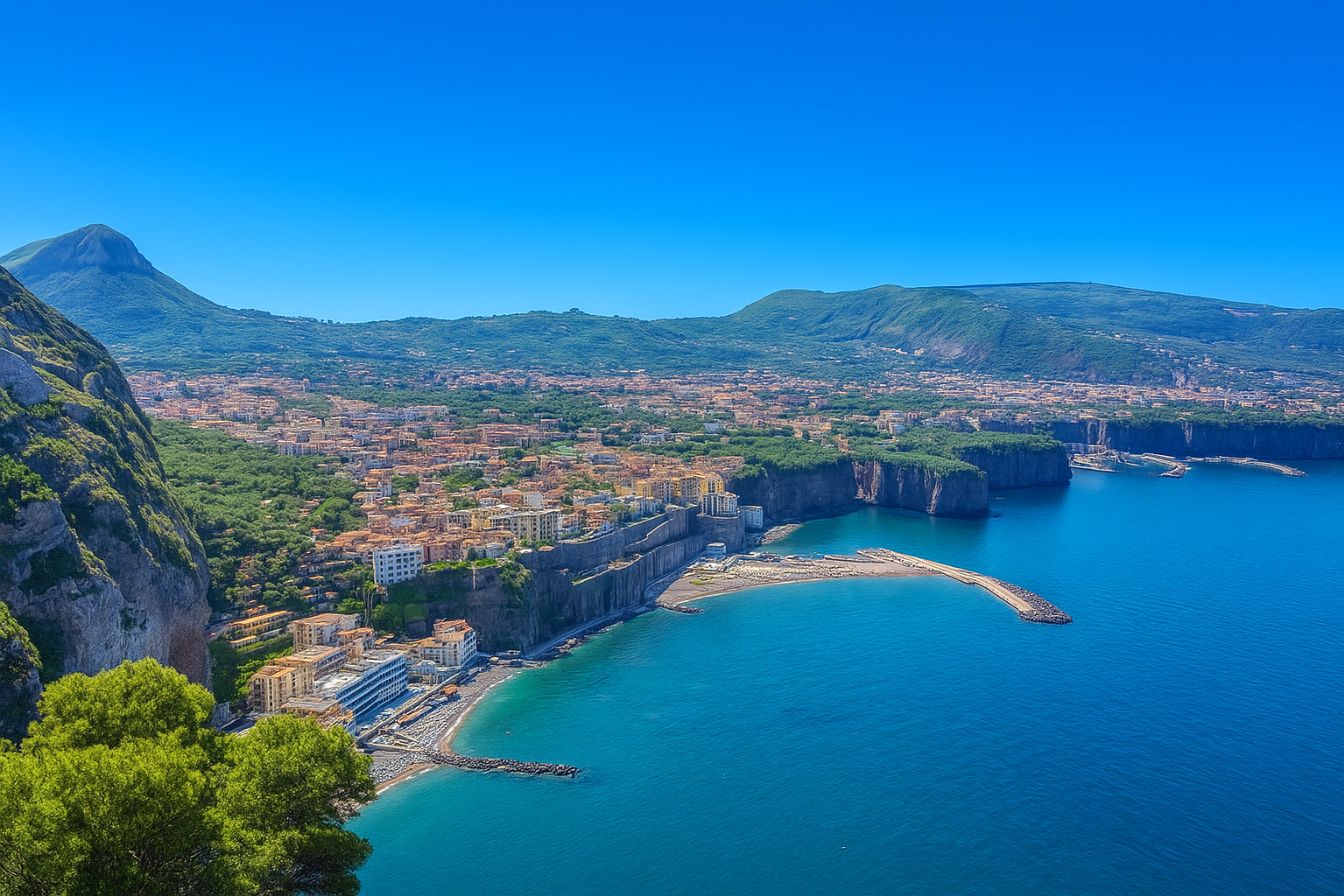
Pick one base and stay there all three nights. For independent travelers with 3 days, Amalfi town or Atrani gives you the best combination of transport access, affordability, and genuine coastal atmosphere without Positano’s Instagram chaos. Day-trip to other towns by ferry or bus, return to the same bed each night, and you’ll actually enjoy yourself instead of hauling luggage up 200 stairs at noon in July.
The single biggest mistake we see is hotel-hopping. One night Positano, one night Ravello, one night Amalfi. Sounds efficient on paper. In practice, you lose half of Day 2 and half of Day 3 to checking out, schlepping bags on packed buses, finding your new place, checking in, and settling. That’s not even accounting for the fact that most Amalfi Coast hotels have stairs. Lots of them. And no elevators.
A base with useful transport, dining and evening options makes a short stay easier to organize. Hotel changes require packing, luggage movement and check-in time, so keep one base if you want to preserve more of each day.
Here’s the structure that works: Base in Amalfi or Atrani for all three nights. Day 1 is arrival and settling into your base plus exploring the immediate area. Day 2 is your big movement day (Positano by ferry, possibly Ravello by bus). Day 3 gives you flexibility to catch what you missed, adjust for weather, or just slow down and stop moving like you’re fleeing something.
Want to get the planning right? This breakdown of how to plan a trip to Italy Amalfi Coast tours covers all the details most people only figure out after they’ve already made expensive mistakes.
What’S The Best Base Town For A 3-Day Amalfi Coast Trip?
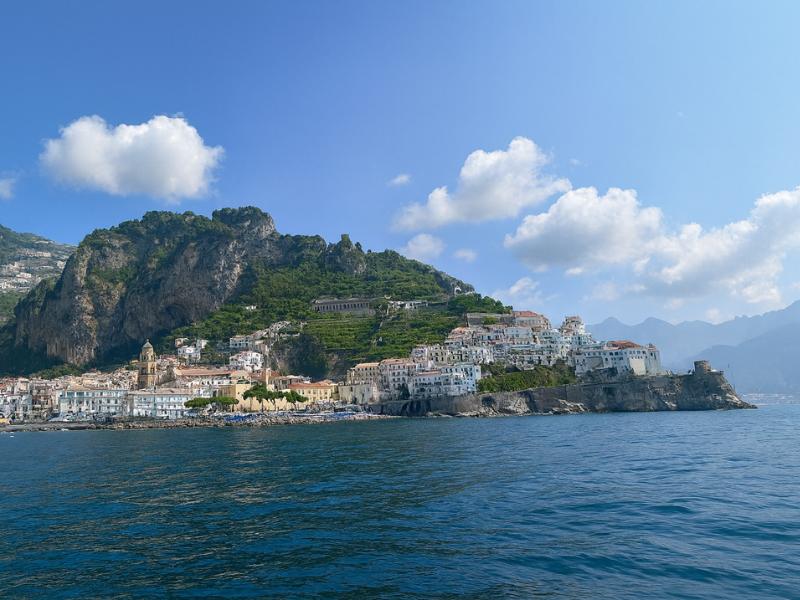
Amalfi town or its neighbor Atrani. Amalfi is the transportation hub of the coast with SITA buses running to Sorrento, Salerno, Positano, and Ravello, plus ferry access to Positano, Salerno, and Capri from April through October. Hotels run €120-180/night mid-range (versus €300-500 in Positano). Atrani sits a 5-minute walk through a pedestrian tunnel from Amalfi, costs even less, and gives you the quiet village feel without sacrificing access.
Not Positano, despite what your Instagram feed tells you. Positano is spectacular from the water. That’s the view you want. Being inside Positano for three days means navigating vertical stairs all day, fighting crowds at every gelato shop, and paying €60 for pasta that costs €18 in Amalfi. Positano works as a 2-3 hour stop, not a base.
Not Sorrento, unless your trip includes Pompeii and Capri as primary goals. Sorrento isn’t on the Amalfi Coast (it’s on the Sorrento Peninsula, north side). It’s 40 minutes by bus to Positano, over an hour to Amalfi. Yes, it has train access to Naples. But for 3 days focused on the coast itself, you’ll spend half your time commuting.
Not Ravello, though we love it. Ravello sits 365 meters above sea level. Every time you want to go anywhere, you bus down to Amalfi, do the thing, bus back up. Beautiful for an overnight splurge or a sunset visit, but logistically exhausting as a 3-day base.
Amalfi gives you options. SITA buses depart every 30-60 minutes to major towns during season. Ferries run to Positano (25 minutes, €9-10) and beyond when weather cooperates. The town itself is relatively flat compared to Positano or Praiano, so you’re not climbing 300 stairs just to get a coffee. Restaurants range from €15 pizza to €50 seafood, unlike Positano where everything trends luxury. And the Duomo di Sant’Andrea, sitting at the top of that grand staircase, gives you something to do on a rain day that doesn’t involve shopping for lemon-print ceramics.
Atrani is the secret handshake version. Same transport access (5-minute walk to Amalfi’s bus stops and ferry dock through a lit pedestrian tunnel), half the tourists, lower prices, and the feeling of a genuine village instead of a tour bus stop. Limited hotel inventory, so book early if this appeals.
A nearby meeting point protects your three-day plan from unnecessary cross-coast travel. Compare bases before booking
Day 1: Which Towns Should You Hit First?
Arrival day is not tour day. Get to your base, settle in, walk Amalfi’s main street and waterfront, claim a table at a restaurant you’ll want to return to later, and maybe catch sunset from the Duomo steps or the waterfront. If you arrive before 2pm and have energy, walk the pedestrian tunnel to Atrani (5 minutes) and explore Italy’s smallest municipality. That’s it. Save the hero moves for Day 2.
Most people arrive frazzled. If you flew into Naples, you either took a private transfer (€120-160, 90 minutes direct) or the longer public route via Sorrento (train to Sorrento, SITA bus onward, 2.5-3 hours total with connections). If you’re coming from Salerno, that’s easier (SITA bus or ferry direct). Either way, you’re not fresh.
Check in. Shower. Walk. That’s the play. Amalfi’s main street, Via Lorenzo d’Amalfi, runs from the waterfront to the Duomo. It’s lined with shops selling limoncello, ceramics, and beachwear. You’ll pass through the Piazza del Duomo, where the cathedral rises 62 steps above you. Climb them. The view back toward the harbor is your orientation to the town.
If you have time and daylight, walk through the tunnel to Atrani. It’s a lit pedestrian passage that connects the two towns under the cliff. Atrani sits in a narrow ravine with a tiny beach, a handful of restaurants, and the kind of quiet that makes you wonder if you took a wrong turn somewhere. You didn’t. This is what it looks like when a town isn’t built for tour groups.
Find dinner. Ask your hotel host where locals eat, not where tourists go. There’s a difference, even in Amalfi. Places a few streets back from the waterfront serve the same seafood at 30% less. The goal tonight is to arrive in your body instead of your itinerary.
Only have a single day? I’ve broken down is one day on the Amalfi Coast worth it so you know whether a quick visit makes sense or if you should skip it entirely for your next trip.
Leave arrival day flexible and choose a local meal after you have settled in. Find the coastal dishes to try
Day 2: Should You Stay Coastal Or Add Ravello/Capri?
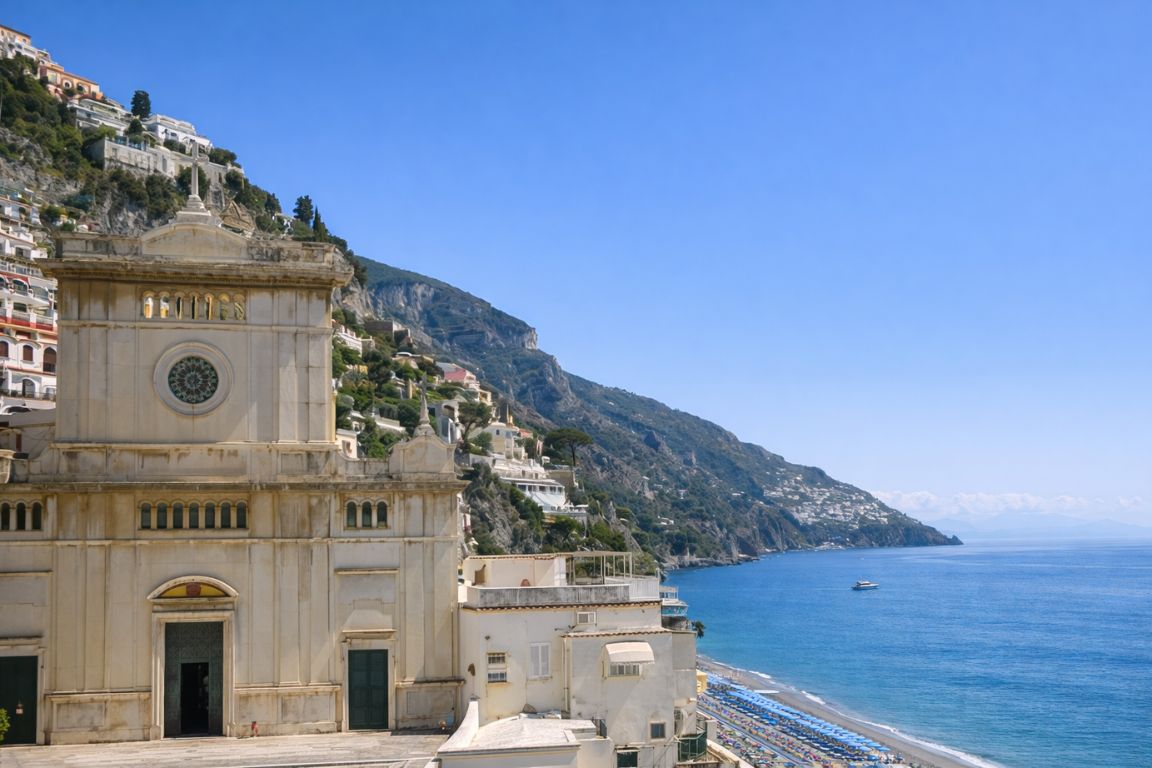
Stay coastal. Take the morning ferry to Positano (departures typically 9am-10am, 25 minutes, €9-10), spend 2-3 hours there, ferry back to Amalfi for lunch, then bus up to Ravello in the afternoon (20 minutes, €1.50-2.00). This gives you Positano from the best angle (approaching by sea), avoids the bus crush, and lets you see Ravello in afternoon light when tour groups have thinned. Skip Capri on a 3-day trip unless you’re willing to overnight there or are based in Sorrento.
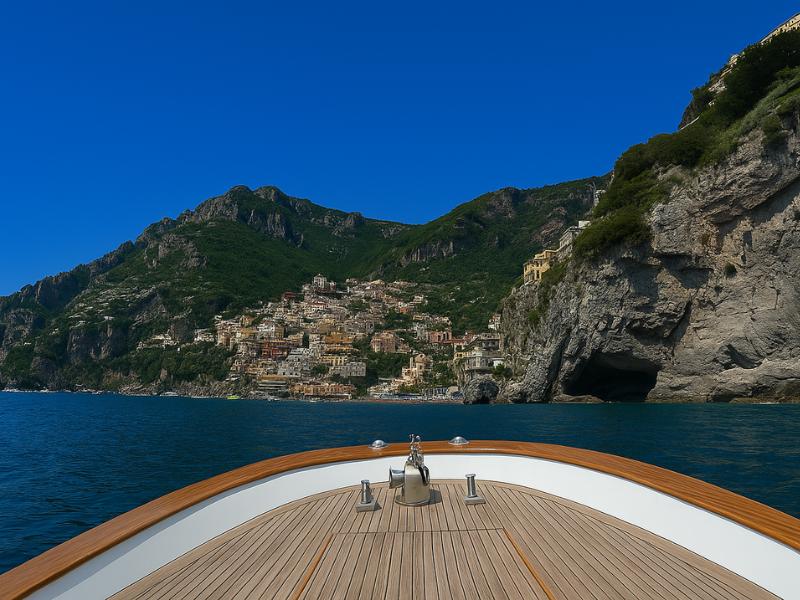
Positano by ferry feels like arriving somewhere significant. The town stacks vertically in pastels and whites, domed churches dot the skyline, and as you pull into the small dock at Marina Grande, you get the money shot every photographer wants. Spend the morning wandering the steps, hitting the beach if that’s your thing, browsing boutiques if it isn’t. Fornillo Beach (west of town, quieter than Spiaggia Grande) is worth the walk if you want swimming without the Marina Grande crowds.
Positano wears thin after 2-3 hours. It’s small, vertical, and expensive. Once you’ve seen the Church of Santa Maria Assunta with its majolica-tiled dome, walked down to the beach, and climbed back up to Via Pasitea, you’ve seen it. The magic was the approach. Ferry back to Amalfi around 12:30-1pm.
Lunch in Amalfi. This is when you use that restaurant you scoped out yesterday. Or find a place on a side street where the menu isn’t in six languages. You’re not rushed. The afternoon bus to Ravello runs every hour.
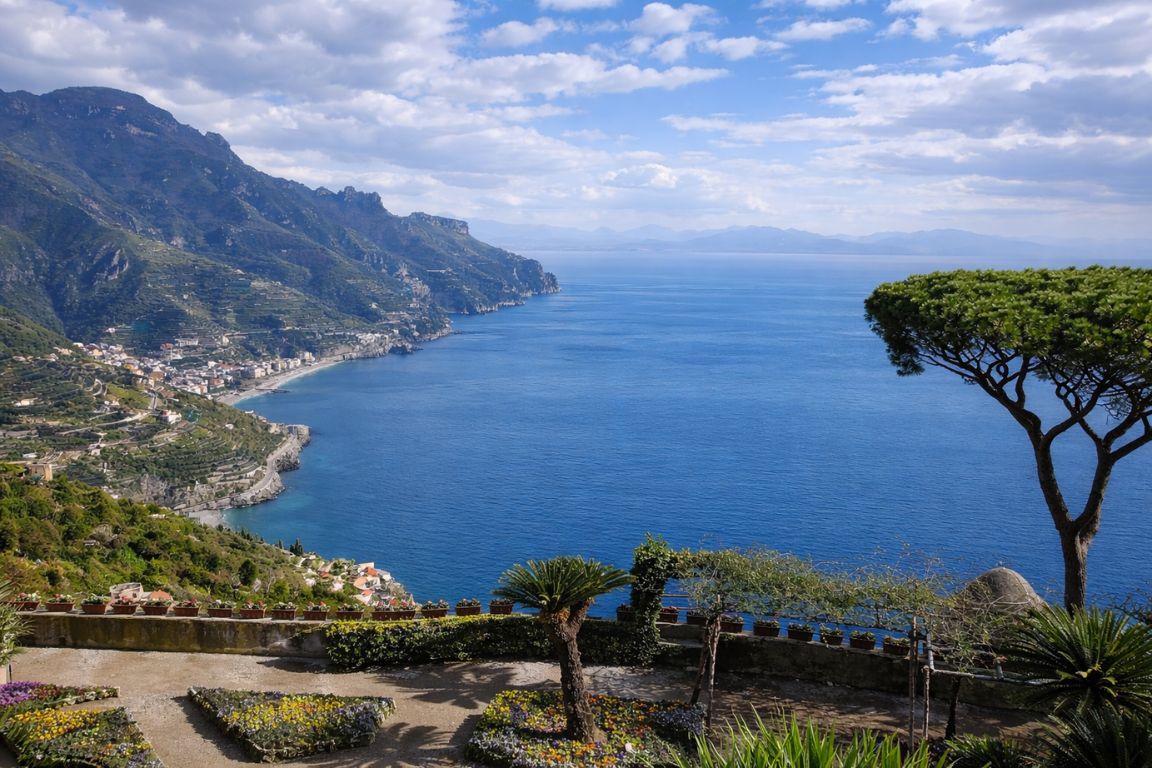
Ravello in the afternoon gives you Villa Cimbrone’s Terrazzo dell’Infinito and Villa Rufolo’s gardens in softer light, after the cruise ship groups have descended. The bus winds up the mountain in switchbacks. When you arrive in Ravello’s Piazza Duomo, the air is cooler, the pace slower. Walk to Villa Cimbrone first (15 minutes uphill through town). The Terrace of Infinity at the far end of the gardens looks out over the coast from 365 meters up. The marble busts lining the balustrade frame a view that makes you understand why this coastline is UNESCO-protected.
Villa Rufolo is closer to the main square, smaller, but the gardens are worth the €10 entry if you like that sort of thing. Then walk Ravello’s pedestrian streets, find a cafe, and bus back down to Amalfi around 6pm.
About Capri: A visit deserves a separate day in this short itinerary. Check current direct Amalfi–Capri sailings and their return times rather than assuming you must travel via Salerno. Include the journey to the dock and island transport when deciding whether the day fits.
Ravello needs its own uphill journey; decide whether villa time or an island day matters more before adding an excursion. Plan your town priorities
How to Fit the Main Experiences into Three Days
| Activity or town | How to fit it |
|---|---|
| Positano | A deliberate town visit with time to walk and return. |
| Ravello | Allow its land connection and villa time. |
| Amalfi | Use mornings and evenings if it is your base. |
| Atrani | A nearby walk from Amalfi when you want a quieter pause. |
| Path of the Gods | A dedicated activity with separate trailhead and return transport. |
| Capri | A separate island day with confirmed outbound and return sailings. |
| Praiano | Check local access before adding the stop. |
| Minori or Maiori | An alternative town visit rather than another compulsory stop. |
Editorial itinerary comparison; actual travel times depend on the route and date.
The planning lesson is to protect the experience you value. Ravello needs its hilltop journey, Capri needs an island day and the Path of the Gods needs a hiking day with transport.
If you’ve got 48 hours along the coast, here’s our 2-day Italy Amalfi Coast tours itinerary so you know exactly what to see, where to stay, and how to move efficiently.
Compare the time each extra experience needs against the hours you actually have. Check what fits in three days
Day 3: How Do You End The Trip Without Rushing?

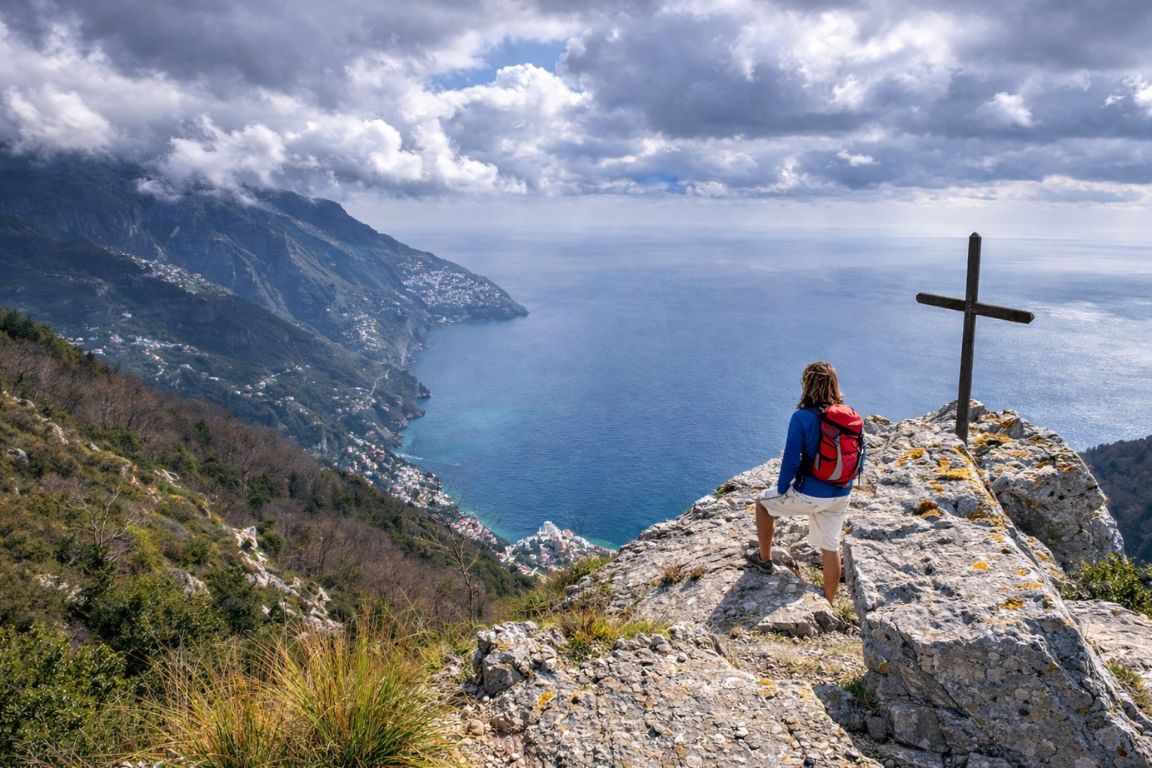
Day 3 is your flex day and shouldn’t be over-planned. If you skipped something Days 1-2, do it now. If weather was rough earlier, this is your backup. If you’re hikers, the Path of the Gods (Sentiero degli Dei) from Bomerano to Nocelle takes 2-3 hours and delivers the views everyone promises (but go early, before 9am, to beat crowds and heat). If you want beach time, Atrani or Amalfi’s small beaches work, or bus to Minori for a longer stretch. If you just want to slow down, claim a cafe table and watch the coast operate.
Path of the Gods is the iconic hike. The trailhead at Bomerano (elevation 650m) is reachable by bus from Amalfi (change at Agerola). The trail follows the ridgeline west toward Positano with constant views of the coastline below. It’s not technical, but it’s 8km with elevation changes. Most people take 2.5-3 hours to reach Nocelle, the village above Positano, then either descend the 1,700 steps to Positano town or take a local shuttle bus.
If you do it, start early. The trail is exposed. Summer heat makes it miserable after 11am. And you’ll share it with 200 other people if you start at 10am.
If hiking isn’t the plan, consider a boat tour. Private boat tours from Amalfi explore coves and grottos you can’t reach by land. They’re not cheap (€130-180 per person for a half-day shared tour, €600-900 for a private boat), but the perspective from the water is different. You see the towns the way they were meant to be seen, when the only access was by sea.
Or do nothing ambitious. Walk to Atrani for a second time and sit at a cafe longer than feels reasonable. Find a beach spot and swim. Explore Amalfi’s Paper Museum (Museo della Carta) if you’re interested in 13th-century manufacturing history (surprisingly compelling for 45 minutes). Buy limoncello directly from a producer instead of a tourist shop. Eat a long lunch.
Don’t leave yourself scrambling on departure day. If you’re flying out of Naples the next morning, you need to be in Amalfi by late afternoon to pack and prep. The last SITA buses to Sorrento depart around 8-9pm. If you’re taking a private transfer, book it for Day 4 and leave slack in case of traffic.
If you’d rather hand Day 2’s ferry and bus timing to a driver-guide, see the Sorrento to Amalfi Coast tour for Positano, Amalfi, and Ravello.
What Are The Biggest Mistakes People Make With 3-Day Amalfi Coast Itineraries?
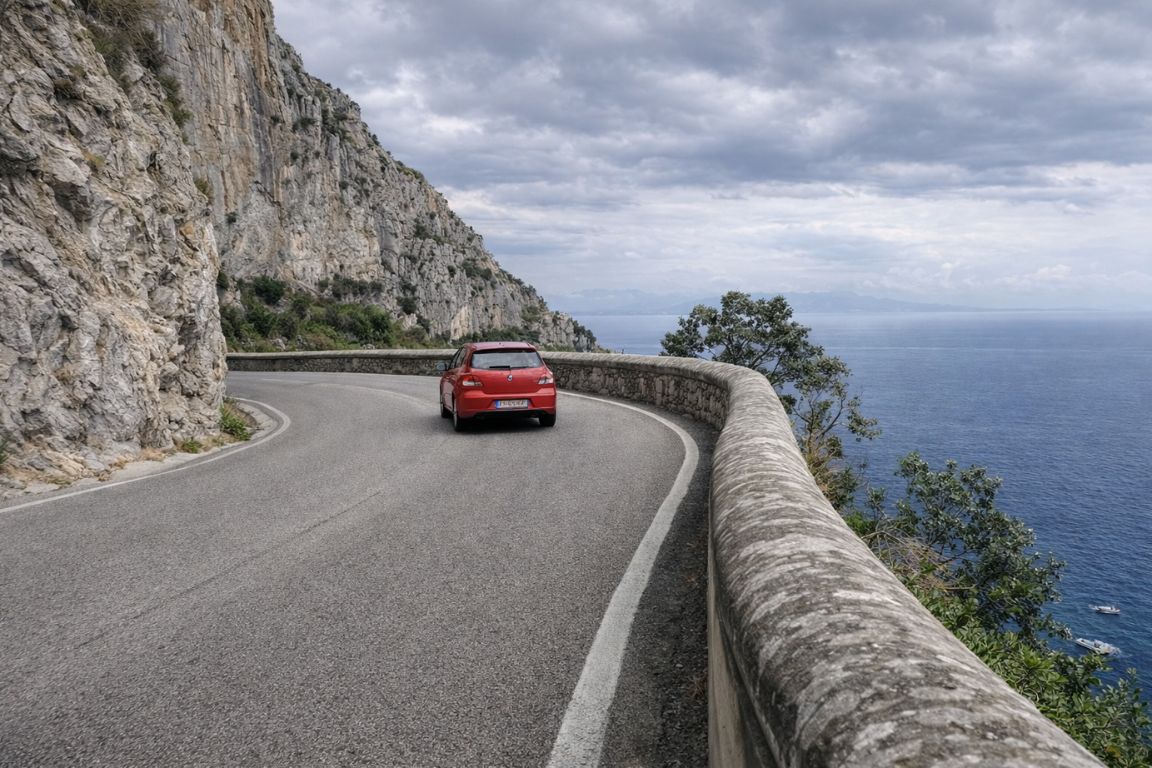
Hotel-hopping, driving a rental car, basing in Positano, trying to do Capri and Pompeii and the coast in 3 days, not booking transport and hotels far enough in advance, and assuming the buses will always have space. These mistakes cost time, money, and sanity. Avoid them by picking one base, using ferries over buses when available, booking 2-3 months ahead for peak season, and accepting that 3 days means choosing what matters most instead of cramming everything in.
We see the same patterns every season. Here’s what trips people up and what to do instead.
Mistake 1: Splitting stays between hotels. One night Positano, one night Ravello, one night somewhere else. You lose 4-5 hours each transition day to checkout, transport, and settling in. Amalfi Coast hotels have stairs, often lots of them, no elevators. Schlepping luggage in 30-degree heat while trying to catch a bus that may be full is not the vacation you planned. Pick one base for all three nights.
Mistake 2: Renting a car. The SS163 coastal road is narrow, winding, and trafficked by buses that will pass you in places where you’d swear there’s no room for one vehicle, let alone two. Parking in Positano costs €30-50/day if you find a spot. Amalfi’s Luna Rossa garage charges €5/hour. Alternating license plate restrictions apply 10am-6pm daily in August-September (odd plates one day, even the next). Add rental, insurance, gas, and parking and you’re €400+ for 3 days. Take the bus (€10-12 day pass) or ferry (€9-10 one-way between major towns). Save the stress and the money.
Not planning to drive? Our guide on Italy Amalfi Coast tours without a car shows you how to move between Positano, Amalfi, and Ravello without the stress of those hairpin turns.
Mistake 3: Basing in Positano for transport convenience. Positano looks like the logical center because it’s famous. It’s not the center. Amalfi is. Positano’s bus connections run primarily to Sorrento (west) and Amalfi (east). Ferries dock at a small pier that closes in rough weather. Everything is more expensive and more vertical. You’ll spend more money and more energy getting less done.
Mistake 4: Adding Capri to a 3-day coast itinerary as a day trip. Check the current direct Amalfi–Capri timetable and allow for island transport as well as the sailings. If Capri matters to you, overnight there or base in Sorrento (20 minutes by ferry). Don’t do it as a rushed day trip from the coast and expect to enjoy it.
Mistake 5: Assuming buses always have room. SITA buses fill up, especially afternoon routes from Positano to Sorrento or Amalfi to Salerno in summer. If the bus is full, it doesn’t stop. You wait for the next one. Sometimes that’s 30 minutes. Sometimes it’s also full. Use ferries when available. They have capacity limits too, but they’re more reliable.
Mistake 6: Leaving accommodation until the itinerary is already fixed. Check rooms and their actual locations as soon as your dates are known. Compare cancellation terms and transport access; a blanket booking window does not guarantee a better rate.
Map the return to your base before reserving a timed activity, especially if your last connection matters. Check the transport plan
How Much Does A 3-Day Amalfi Coast Trip Actually Cost?
 For a couple traveling mid-range, budget €200-300 per day (€600-900 total for 3 days not including flights). This covers a hotel at €120-180/night, meals at €70-100/day for two, transport at €20-30/day, and a few entry fees or activities. Budget travelers can do €125-175/day per couple by staying in Atrani or Minori (€80-120/night), eating away from waterfronts, and skipping paid activities. Luxury travelers spending €350-500/day get boutique hotels, clifftop dinners, and private boat tours.
| Cost category | How to build your budget |
|---|---|
| Accommodation | Use the actual room quote multiplied by nights, and include taxes or fees shown by the property. |
| Food | Estimate meals per person, then multiply by travelers and days. |
| Transport | Add the exact ferry, bus, rail and transfer legs for the whole party. |
| Activities | Use current full-party quotes and add excluded admissions or meeting-point transport. |
| Three-day total | Add these categories once, using the same currency. Keep flights separate if they are outside this budget. |
Prices verified February 25, 2026. Does not include international flights or private transfers from Naples (add €120-160 one-way).
Hotels are your biggest variable. In Positano, mid-range starts at €300/night. In Amalfi or Atrani, you’re at €120-180 for the same comfort level. Minori and Maiori run even cheaper (€80-120) if you don’t mind being slightly less central.
Food costs depend on where you eat. Restaurants on Amalfi’s waterfront or Positano’s Via Pasitea charge €22-28 for pasta, €35-50 for seafood mains. Walk two streets inland and you’re at €15-18 pasta, €25-35 mains. Lunch at a bakery (focaccia, arancini, pizza by the slice) costs €8-12. Budget €50-70 per person per day for three meals if you mix tourist and local spots.
Transport is cheap if you use buses and ferries. A 24-hour SITA bus pass costs €10-12. Single-ride tickets are €1.50-2.80 depending on distance. Ferries run €9-10 one-way between Amalfi and Positano. If you take taxis, add €40-80 per ride depending on distance (Ravello to Amalfi is €30-40, Positano to Amalfi €60-80).
Activities vary. Villa Cimbrone entry is €10. Villa Rufolo is €10. A shared boat tour runs €130-180 per person for half-day. Path of the Gods is free. Most beaches are free (public access), though beach clubs charge €30-80 for loungers and umbrellas.
If you’re concerned about costs, here’s the reality of is the Amalfi Coast expensive based on accommodation prices, restaurant bills, and what the daily budget actually looks like.
Questions before you commit? Compare dates for the Positano and Amalfi Coast boat tour if you want a half-day on the water.
What would you add to your independent day? Discover coast cruise and path of the gods hike, with what each quote includes and the extras to add laid out below. Discover Coast Cruise & Alternatives
Do You Need A Guide Or Can You Do This Independently?
You can absolutely do this independently if you’re comfortable navigating public transport, booking your own hotels and ferries, and adjusting plans when buses are full or weather cancels ferries. A guide or tour company adds value if you want access to things you can’t book yourself (priority restaurant reservations, skip-the-line entry, boat rentals, local knowledge that changes your route based on real-time conditions), or if the logistics stress outweighs the cost savings.
The Amalfi Coast is not logistically difficult. SITA buses run on published schedules (mostly). Ferries operate April-October when weather allows. Hotels and restaurants are used to English-speaking tourists. Google Maps works. You will be fine doing this yourself if you plan ahead and accept that some days won’t go exactly as written.
Where a guide or organized tour helps: access and adjustment. A guide can add local context and help organize the listed itinerary. Restaurant access, held bus connections and special ferry information are not included unless explicitly documented by the operator.
That local knowledge compounds over 3 days. You might lose an hour here, miss a connection there, end up at a mediocre restaurant because you didn’t know better. Those add up. If you’re paying €600-900 for the trip anyway, spending €150-200 per person for a guided day (usually Day 2, the big movement day) smooths out the friction and often pays for itself in time saved and frustration avoided.
Full 3-day guided packages run €800-1,200 per person depending on group size and inclusions. That typically covers transport, some meals, skip-the-line entry where applicable, and a guide who keeps things moving. For two people, you’re looking at €1,600-2,400 on top of your hotel. Worth it if logistics stress you out or if you value expert narration over independent exploration. Not worth it if you enjoy the puzzle of figuring things out or if budget is tight.
If you enjoy planning and are comfortable adapting, keep the towns independent. Choose a guided activity when its actual inclusions add something you want, such as historical explanation, a structured route or time on the water.
Planning your Italy schedule? This breakdown of how many days you need on the Italy Amalfi Coast tours shows you what’s possible with 2, 3, or 4 days along the coast.
Frequently Asked Questions
Curious how the alternatives differ? Explore coast cruise and path of the gods hike through departure points and the time each experience takes. Discover Coast Cruise & Alternatives
Is 3 days enough for the Amalfi Coast?
Three days is enough to see the core highlights (Amalfi, Positano, Ravello) and get a real feel for the coast. It’s not enough to explore deeply or add major side trips like Capri, Pompeii, and Naples in the same trip. Most of our 3-day clients leave wanting to return, which tells you something.
Keep major side trips separate if you want the three coastal days to stay relaxed. Compare trip lengths
What’s the best month to visit the Amalfi Coast?
May, early June, September, and early October give you the best weather-to-crowd ratio. July-August are hot, expensive, and mobbed. April and late October can be beautiful but ferry schedules are limited and some hotels/restaurants are closed. November-March is off-season; many things shut down entirely.
Match the activity to your month rather than assuming a summer boat timetable all year. Check your month
Do I need to speak Italian on the Amalfi Coast?
No. English is widely spoken in hotels, restaurants, and tourist services. Basic Italian phrases help (please, thank you, excuse me), and you’ll get better service if you try, but you won’t be stuck if you don’t speak the language.
Choose the outing before filling the rest of your day. Compare coast cruise and path of the gods hike by departure points and the time each experience takes. Choose Your Coast Cruise Or Alternative
Is the Amalfi Coast safe for solo travelers?
Yes. Solo travelers, including solo women, report feeling safe on the Amalfi Coast. Standard travel precautions apply (watch your belongings in crowded areas, don’t leave valuables visible in parked cars if you rent one). The biggest challenge for solo travelers is cost (hotel rates don’t drop much for single occupancy) and eating alone in restaurants that cater to couples and groups.
Plan your return and keep ordinary travel precautions in place whether exploring alone or joining an excursion. Review practical travel precautions
Can you swim at Amalfi Coast beaches in May or October?
Water temperature in May averages 17-19°C (63-66°F), which most people find cold but swimmable if you’re determined. October is warmer (20-22°C / 68-72°F) from summer heating. June-September is prime swimming season (22-26°C / 72-79°F). Beaches are less crowded in shoulder months, which is a significant upside.
Want swimming time as well as a view of the coast? See the cliffs from the water and take swimming breaks, with snorkeling gear and drinks included. Discover The Four-Hour Coast Cruise
Are Amalfi Coast buses really that bad?
They’re not bad, they’re just crowded and slow during peak season. If you travel May-September, expect buses to be full by mid-afternoon on popular routes (Positano-Sorrento, Amalfi-Salerno). Morning departures are easier. Use ferries when available to avoid the worst of it. October-April, buses are fine.
Allow time for Ravello’s inland journey as well as your waterfront stop in Positano.
Use the current bus and ferry options to get to your meeting point with time to spare. Plan car-free access