Budget Amalfi Coast Itinerary
Yes, you can visit the Amalfi Coast for €80-120/day. Stay outside Positano, use buses and ferries, go shoulder season, and skip the rental car.
Protect the low-cost itinerary first. A paid activity earns its place when it adds something beyond transport, such as hands-on cooking or a dedicated coast cruise. Choose Your Experience Below.
You can visit the Amalfi Coast for €80-120 per person per day (accommodation, food, transport) if you stay in Salerno, Minori, or Praiano instead of Positano, use SITA buses (€1.80-€2.60 per ride) and ferries (€9-11 per route) instead of private transfers, eat where locals eat (uphill from the main squares), and visit in May, September, or October when prices drop 40-60%. The Path of the Gods, public beaches, cathedral visits, and lemon grove walks cost nothing. A car will cost you €400+ for three days when the bus costs €2.60.
| Accommodation (per night) | €60-100 | €150-220 |
| Meals (per day) | €25-40 | €50-75 |
| Transport (Salerno-Positano-Amalfi) | €5.20 (SITA bus) | €18 (ferry) |
| Best Budget Base Towns | Salerno, Minori, Maiori, Praiano | |
| Ideal Trip Length | 4-5 days (3-4 nights) |
Illustrative price examples; check current rates for your date and party.
Stay in one practical base, price your actual transport legs and keep free activities central. Add a paid experience only after its complete cost fits your budget. Explore the Amalfi cooking classExplore the Amalfi cooking class.
How Much Does A Budget Amalfi Coast Trip Actually Cost?
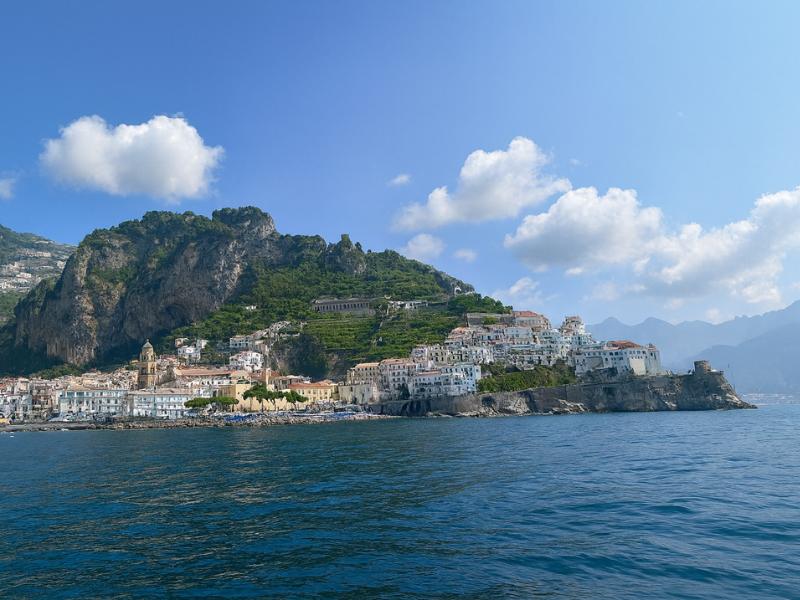
Realistically, you can visit the Amalfi Coast for €80-120 per person per day if you stay in the right towns, use public transport, and eat strategically. Positano will triple that number. The difference is not the experience – it’s where you sleep and what wheels you use to get there.
For illustration, a room at €60–100 shared by two costs €30–50 per person. Add the stated €25–40 for food, €10–15 for transport and €20 for extras: €85–125 per person. A solo guest paying the full room rate would total €115–175. Replace these examples with quotes for your dates.
The €300-per-day figure you’ve seen online? That’s if you stay in Positano, hire private transfers, and eat every meal at a terrace restaurant facing the sea. Beautiful, yes. Necessary, no.
We’ve watched travelers spend €450 on a three-day car rental (insurance, gas, parking fees) when the bus between any two towns costs €1.80 to €2.60. We’ve seen couples pay €280 per night for a Positano hotel with a “sea view” blocked by the building next door, when a €90 room in Minori delivers an unobstructed coastline and a beach you can walk to in three minutes.
The coast doesn’t get cheaper the longer you stay. It gets smarter. You learn which bakery sells focaccia for €3 that could be lunch. You figure out the SITA bus schedule. You stop paying €8 for bottled water and refill at the fountains the locals use.
The travelers who feel ripped off are usually the ones who didn’t research where to stay or when to go. The ones who walk away saying it was worth every cent? They picked September over July, Ravello over Positano, and buses over private boats.
If you’re concerned about costs, here’s the reality of is the Amalfi Coast expensive based on accommodation prices, restaurant bills, and what the daily budget actually looks like.
What would you add to your independent day? Discover amalfi cooking class and coast cruise, with what each quote includes and the extras to add laid out below. Discover Amalfi Cooking Class & Alternatives
What’S The Best Budget-Friendly Base Town On The Amalfi Coast?
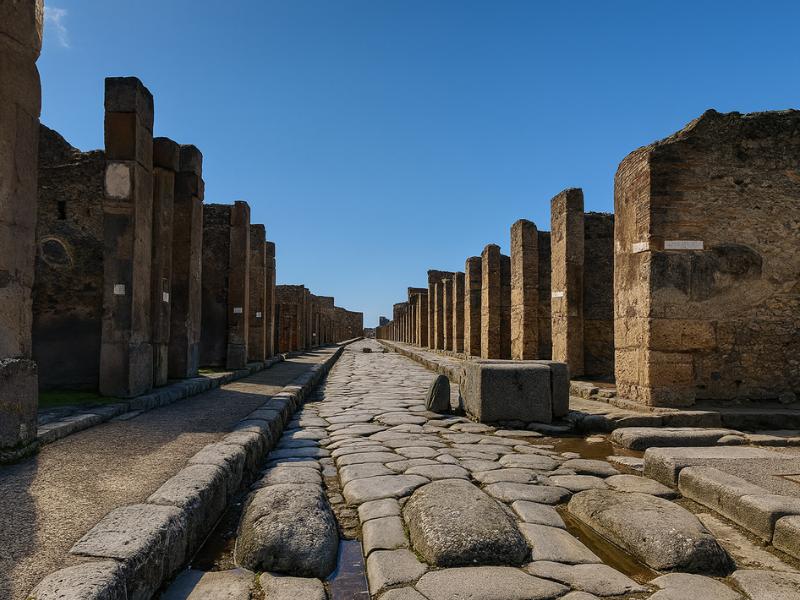
Salerno is the best budget base for first-time visitors who want access to everything without Positano’s prices. You’ll pay €60-90 per night instead of €200+, the train station connects you to Naples and Pompeii, and SITA buses leave every 30 minutes for the coast. Minori and Praiano are better if you want to stay on the coast itself without crowds.
Salerno sits at the eastern end of the coast. Not technically on it, but close enough that a 20-minute ferry or 40-minute bus puts you in Amalfi. It’s a real city – supermarkets, pharmacies, restaurants where Italians actually eat – and that keeps accommodation prices reasonable. A three-star hotel near the port runs €70-95. You get breakfast, air conditioning, and you’re not gouged for having luggage.
The catch: Salerno doesn’t look like the postcards. No pastel houses cascading into the sea. But if you’re planning to spend your days in Positano and Amalfi anyway, you’re just sleeping here. The old town is pleasant. The lungomare is long enough for an evening walk. And when you’ve had enough of crowds, you retreat to a city where tourists are an accent, not the entire population.
If you want to wake up on the coast without the Positano tax, Minori is your answer. Smaller, quieter, a real beach instead of a pebble scramble. Hotels here run €80-120, and many have sea views because the town isn’t stacked vertically like Positano. It’s connected to Amalfi by a 10-minute bus ride. The bakeries are cheaper. The restaurants don’t assume you’re on your honeymoon and price accordingly.
Praiano splits the difference. It’s on the coast road between Positano and Amalfi, so you can reach both in under 20 minutes by bus. Quieter than either. Accommodation tends toward family-run guesthouses and small hotels, €90-140 per night. The sunsets here are better than Positano’s because you’re facing west and you’re not fighting fifty people with selfie sticks for a spot at the railing.
Maiori has the longest beach on the coast and tends to attract Italian families more than international tourists, which keeps restaurant prices down. Cetara is a fishing village with the best colatura di alici (anchovy sauce) and rooms for €70-100. Ravello is up in the hills, connected to Amalfi by a winding bus ride, and worth considering if you’re here to hike more than swim.
Where you shouldn’t stay if money matters: Positano. It’s the most expensive town on the coast, and the “budget” options are still €150-200 per night for a room the size of a closet with a view of someone else’s terrace. Save Positano for a day trip. Arrive by ferry in the morning, spend six hours wandering, leave before dinner when the menu prices make you flinch.
| Salerno | €60-90 | Train station, supermarkets, real city infrastructure | Excellent (trains + buses + ferries) |
| Minori | €80-120 | Best beach, local vibe, close to Amalfi | Good (buses + seasonal ferries) |
| Maiori | €75-110 | Longest beach, family-friendly, less touristy | Good (buses + seasonal ferries) |
| Praiano | €90-140 | Central location, sunset views, quieter | Good (buses on main SS163 road) |
| Ravello | €100-160 | Mountain air, hiking access, gardens | Moderate (bus from Amalfi required) |
Prices verified February 25, 2026
A cheaper room can require extra daily transfers. Compare the base and the journey before choosing a tour departure. Compare practical bases
Which Free Or Low-Cost Experiences Should You Prioritize?
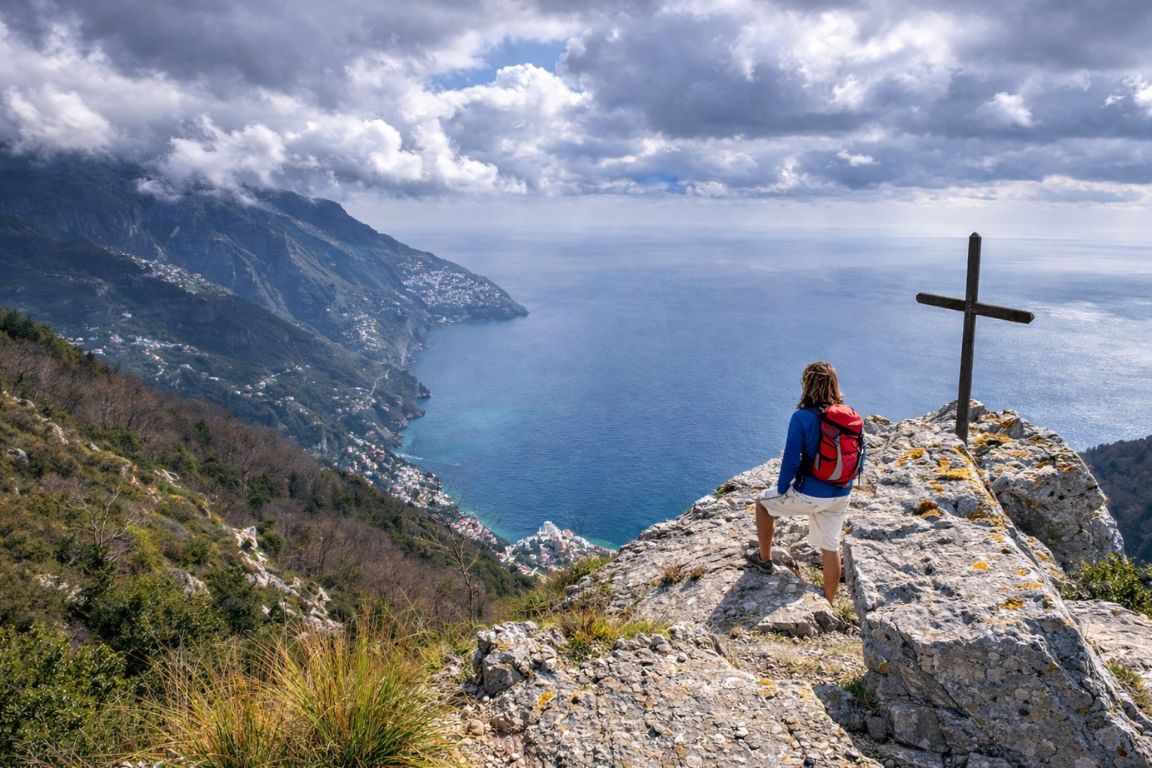
The Path of the Gods costs nothing and delivers better views than any €200 boat tour. Public beaches in Minori, Maiori, and Atrani are free (bring your own towel). Cathedral visits, lemon grove walks, and wandering the back streets of any town you’re in – all free. The coast’s best experiences don’t require a credit card.
Start with the Sentiero degli Dei (Path of the Gods). It’s the most famous hike on the coast for a reason. You’re walking along a mountain ridge 600 meters above the sea with the entire coastline stretched out below you. The path runs from Bomerano (in Agerola) to Nocelle (above Positano), about 7.5 kilometers, 2.5 to 4 hours depending on how often you stop to stare. The trail is well-marked. No guide needed. No entrance fee.
Getting there: take the SITA bus from Amalfi to Bomerano (€2.60, 45 minutes). Walk the trail west to Nocelle . From Nocelle, you can either take another bus down to Positano or walk the 1,700 steps (your knees will remember this choice). The reverse direction changes the climb and descent. Choose the route for your own hiking experience and comfort; neither direction guarantees less strain.
Crowds are real on this trail, especially June through September. Go early. The first bus from Amalfi to Bomerano leaves around 8:00 AM. Be on it. By 10:00 AM the trail feels like a queue at the airport. If the Path of the Gods sounds too crowded, try the Valle delle Ferriere walk instead. It starts in Pontone (above Amalfi), follows an old river valley past abandoned paper mills and waterfalls, and dumps you back in Amalfi after about 2.5 hours. Cooler, shadier, fewer people. Check the exact route and current reserve entry arrangements before setting out.
Beaches: every town has a public section where you can drop a towel on pebbles or sand and swim for free. Minori has the best public beach – actual sand, wide enough to spread out, backed by cafes that won’t glare at you for bringing your own lunch. Maiori’s beach is longer. Atrani’s is tiny but charming. Even Positano’s Spiaggia Grande has a free section, though it’s usually shoulder to shoulder in summer.
The paid beach clubs charge €20-30 per person per day for a sunbed and umbrella. Sometimes worth it if you value space and don’t want to sit on volcanic rock. But if you’re on a budget, bring a towel, wear water shoes (the pebbles hurt), and claim your patch early.
Cathedrals: the Duomo di Sant’Andrea in Amalfi is free to enter, though the crypt and cloister museum cost €3. The bronze doors were cast in Constantinople in 1066. The crypt holds the relics of Saint Andrew. The tile work in the cloister is worth the €3 if you have it. The cathedral in Ravello (Duomo di Ravello) is smaller, quieter, free. The pulpit dates to 1272.
Lemon groves: you’ll see terraced groves everywhere. Some are private, some aren’t clearly marked. The walk from Minori to Ravello passes through working lemon terraces. So does the path from Amalfi to Atrani. In spring, the air smells like citrus blossom and you’ll understand why they call them sfusato amalfitano (the Amalfi lemon) instead of just lemons. They’re the size of softballs. Stay on public routes and do not enter a private grove without permission.
If you’re in Amalfi, walk through the Piazza del Duomo in the early morning before the tour groups arrive. The cathedral steps are empty. The light is softer. You can sit on the fountain edge and drink coffee from a paper cup without someone’s selfie stick in your peripheral vision. At night, the same square is lit up and less frantic. Both are free. Both are better than midday when it’s 35°C and packed.
Sunsets: everyone will tell you Positano has the best. They’re half right. Praiano has the same sunset, fewer people, and you can watch from a restaurant terrace where a beer costs €4 instead of €9. Ravello’s sunset comes with mountain views and the sound of cicadas instead of Vespas.
Plan the bus and ferry connections before setting out and keep a return option. If an organized outing appeals, check exactly which arrangements it includes.
Need to save money along the coast? Our guide on budget activities on Italy Amalfi Coast tours shows you what you can do without spending much and what’s actually worth the splurge.
The independent hike keeps a full day focused on scenery; check trail access and the return from Nocelle. Plan your free hiking day
How Can You Save Money On Amalfi Coast Transportation?
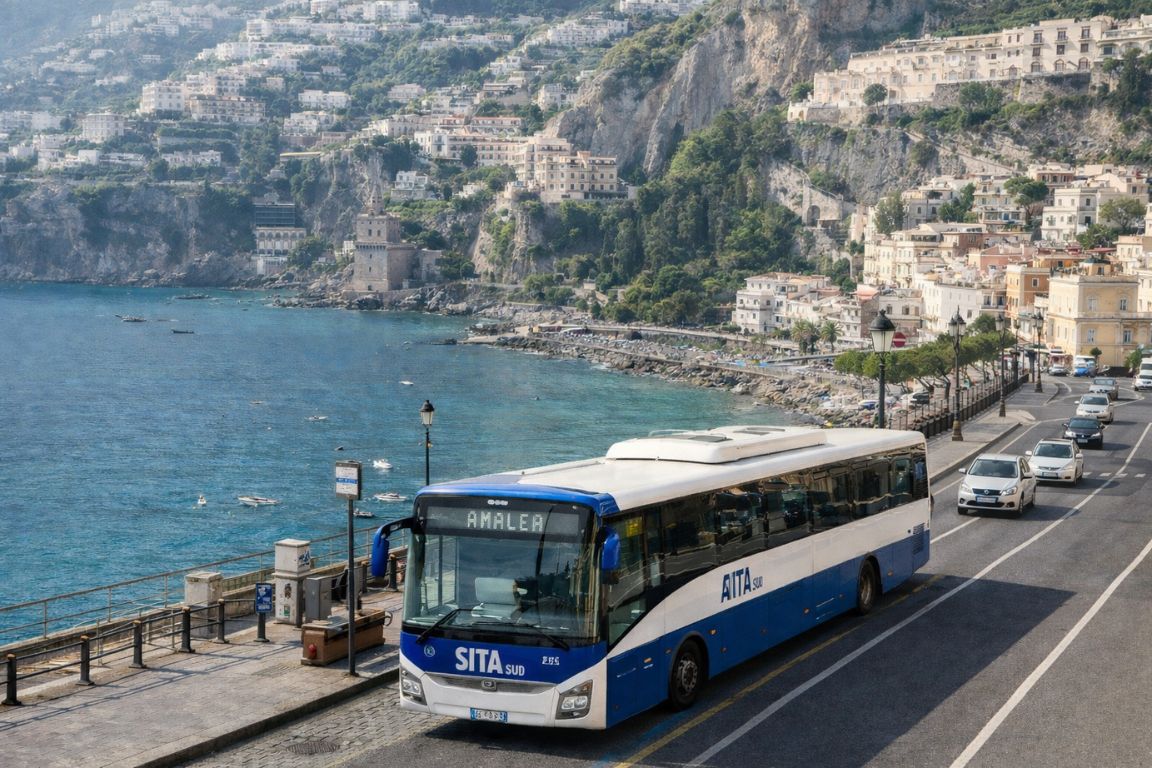
SITA buses cost €1.80-€2.60 per ride and connect every town on the coast. A 24-hour pass is €10. Ferries run €9-11 per route and skip the traffic entirely. Private transfers cost €100-150 each way and rarely save you more than 20 minutes. Renting a car for three days will cost you €400+ when the bus costs €2.60.
The SITA bus system is how locals move. Big blue buses, loud engines, drivers who know every curve of the SS163. Routes run from Salerno in the east to Sorrento in the west, stopping in every town. Frequency varies: every 20-30 minutes in summer between major towns, hourly or less for smaller stops. Schedules are posted at bus stops and available on the SITA Sud website (www.sitasudtrasporti.it), though the site is in Italian only.
Fares are distance-based. Salerno to Amalfi is €2.60. Amalfi to Positano is €2.60. Positano to Sorrento is €2.60. A 24-hour UnicoCostiera pass costs around €10 and covers unlimited rides. A 3-day pass is roughly €18. If you’re making more than four trips in a day, the pass pays for itself.
You cannot buy tickets on the bus. Buy them beforehand at tabacchi (tobacco shops), newsstands, or bars displaying the SITA logo. In larger towns like Amalfi or Salerno, there are ticket offices. Some stops have vending machines. If you buy through the UnicoCampania app, you must activate the ticket before boarding – showing the app without activation gets you fined.
The buses fill up in summer. Especially the Amalfi to Positano route between 10:00 AM and 2:00 PM, and the return between 4:00 PM and 7:00 PM. If a bus is full when it reaches your stop, the driver won’t open the doors. You wait for the next one. This is why locals take the 8:00 AM bus and tourists take the 11:00 AM bus and complain about waiting.
Luggage: officially, bags larger than 50x30x25 cm require an extra ticket. In practice, most drivers don’t enforce this unless the bus is packed. If you’re arriving with a full suitcase, expect some irritation. The luggage compartments are small. If you can, pack light or leave big bags at your accommodation and day trip with a backpack.
Ferries run from April to October, connecting Salerno, Amalfi, Positano, Sorrento, and Capri. The main operators are Travelmar, NLG (Navigazione Libera del Golfo), and Positano Jet. Sample fares: Salerno to Amalfi €11, Amalfi to Positano €9, Positano to Capri €23 (including the €2.50 Capri landing tax). Travel time is 15-25 minutes between towns, 30-40 minutes to Capri.
Ferries are faster than buses when traffic is bad (which is most of summer). They’re also more scenic. You’re watching the cliffs from the water instead of staring at the bumper of the car in front of you. The downside: they don’t run in rough seas, and schedules reduce sharply after October. Check travelmar.it or the ferry ticket offices at each port for current times.
Private transfers: a one-way ride from Naples Airport to Positano costs €120-150. Comfortable, yes. Door to door, yes. Four times the cost of a train to Salerno (€12) plus a ferry to Positano (€11)? Also yes. Private drivers make sense if you’re traveling with three or more people and can split the cost, or if you have mobility issues that make buses difficult. Otherwise, you’re paying for convenience that doesn’t save you meaningful time.
Car rentals: do not rent a car unless you are very confident driving on roads where two buses meeting on a blind curve is normal and parking costs €25-50 per day. The SS163 coastal road is spectacular and stressful. Lanes are narrow. Tourists stop in the middle of the road to take photos. Parking in Positano and Amalfi is either nonexistent or absurdly expensive. A three-day rental (car, insurance, gas, parking) easily hits €400. Price tickets or passes for all three days; a 24-hour pass does not cover a three-day trip.
If you do rent, get the smallest car available and the maximum insurance. Scratches and dings are common. Also, learn where the parking lots are in each town before you arrive. In Positano, the main lot is Parcheggio Multipiano (€5/hour, often full by 10:00 AM). In Amalfi, Parcheggio Luna Rossa is the closest to the center (€4/hour).
If you’re skipping the rental, here’s the complete breakdown of Italy Amalfi Coast tours without a car so you understand all your transportation options between towns.
| SITA Bus (single tickets) | €7.80 | ~3 hours | Cheapest option, subject to traffic |
| SITA Bus (24h pass) | €10 | ~3 hours | Unlimited rides, best value for day trips |
| Ferry (where available) | €29 | ~1.5 hours | Scenic, faster, avoids traffic, seasonal |
| Private Transfer | €350-450 | ~2.5 hours | Door-to-door, worth it for 3+ people |
Illustrative price examples; check current rates for your date and party. Ferry prices assume Salerno➝Amalfi➝Positano➝Sorrento route where ferries operate.
Price the actual journeys you plan to take rather than assuming a day pass saves money. Map the car-free connections
Where Should Budget Travelers Eat On The Amalfi Coast?
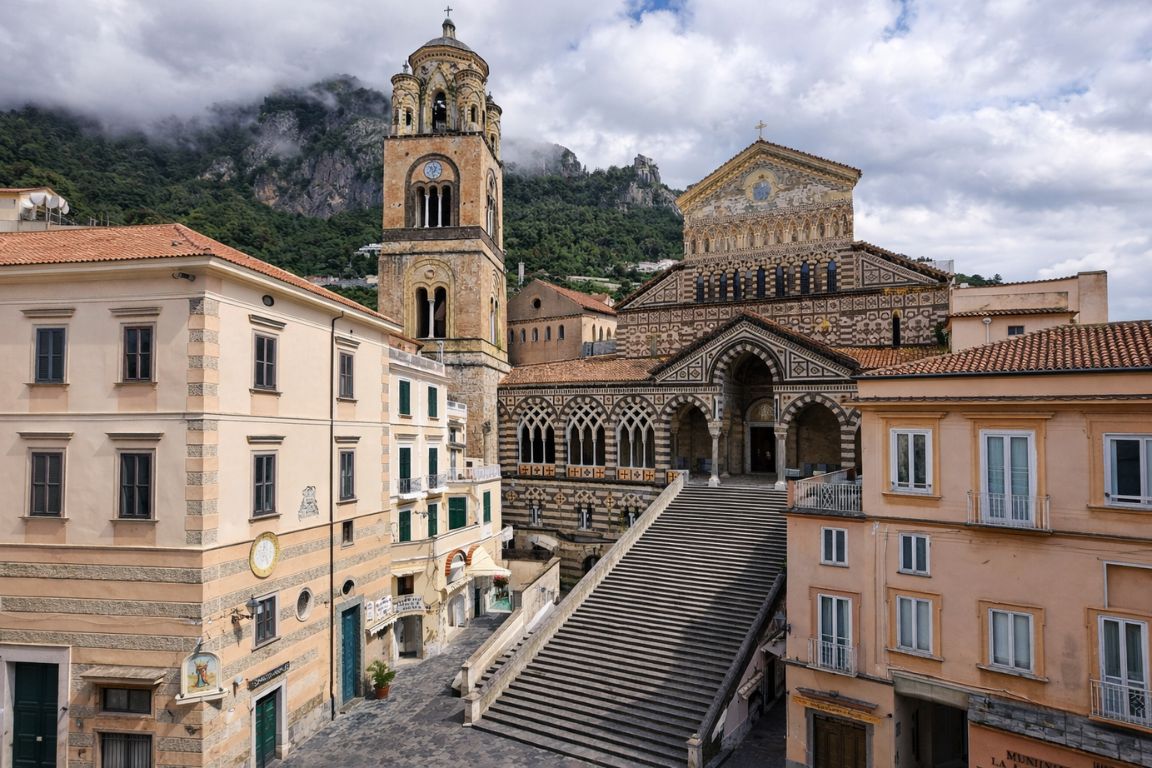
Restaurants on the main squares charge €18-25 for pasta. Walk two streets uphill and you’ll find the same dish for €12. Bakeries sell focaccia and pizza al taglio (by the slice) for €3-5. Supermarkets exist in Salerno and Sorrento. Italians eat at trattorie, not terraces with sea views and English menus.
The pattern is the same in every town: the closer you are to the water or the main piazza, the higher the prices. Restaurants with views charge for the view. Restaurants on the main walking routes charge for foot traffic. If you’re eating lunch in Amalfi’s Piazza del Duomo, you’re paying €22 for spaghetti alle vongole that costs €13 three streets inland.
Compare displayed menus, prices and dishes rather than treating a handwritten or Italian-only menu as proof of quality. Ask about a price before ordering if it is not clear.
In Amalfi, walk up Via Lorenzo d’Amalfi away from the cathedral. In Positano, don’t eat near Spiaggia Grande. Climb the steps toward Chiesa Nuova. In Praiano, anything along Via Umberto I that doesn’t face the water directly. In Minori and Maiori, you don’t have to try as hard because these towns aren’t overrun yet.
Breakfast: skip the hotel breakfast if it costs extra (many charge €10-15). Walk to a pasticceria (pastry shop) and get a cornetto (croissant) and cappuccino for €3 total. Stand at the bar like everyone else. Sit at a table and the price doubles. If your hotel does include breakfast, it’s usually worth eating because Italian hotel breakfasts tend toward bread, jam, cold cuts, cheese, yogurt, and coffee, which will carry you to lunch.
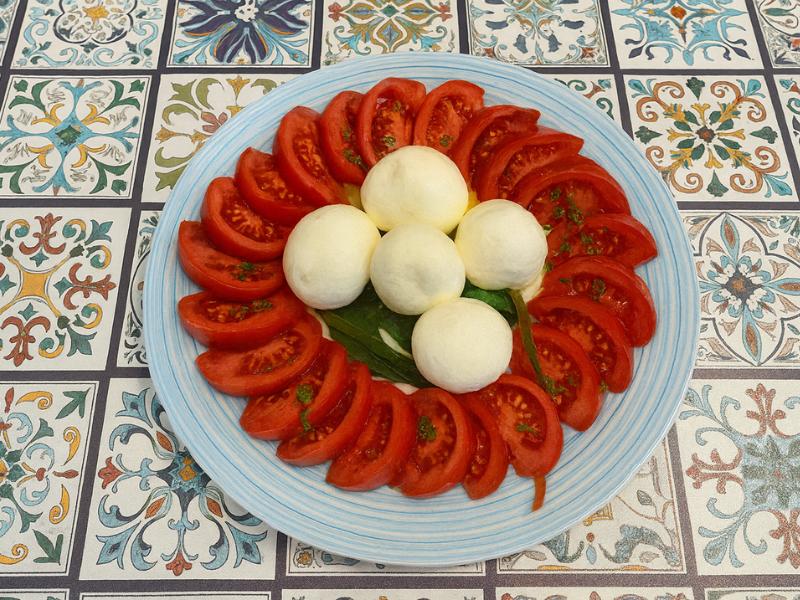
Lunch: pizza al taglio (by the slice), panini (sandwiches), or focaccia from a bakery. €3-6 will fill you. Look for forno (bakery/oven) signs. Many sell ready-made sandwiches with mozzarella, tomato, and basil for €4. In summer, add a bottle of water (€1-2) and sit on a bench with a view you’re not paying €25 for.
Dinner: this is where you sit down. But sit down where the people who live here eat, not where the tour groups eat. A full meal (primo + secondo, or primo + contorno) will run €20-30 per person. Add wine and cover charge (coperto, usually €2-3 per person), and you’re at €25-35. This is reasonable for Italy. If your bill is pushing €50 per person and you didn’t order fish or steak, you’re in a tourist trap.
The aperitivo tradition helps. Many bars offer free snacks (olives, chips, small pizza slices) when you order a drink between 6:00 PM and 8:00 PM. A Spritz costs €6-8. Not a meal, but it takes the edge off hunger if you’re waiting for dinner prices to make sense.
Avoid restaurants with photo menus, menus in six languages, or someone standing outside waving you in. These are red flags everywhere in Italy, not just the Amalfi Coast. Also avoid restaurants where the waiter immediately brings bread and olives you didn’t ask for – you’ll be charged for them.
Supermarkets: Salerno has multiple. Sorrento has a Conad near the train station. Amalfi and Positano have small grocery shops but not full supermarkets. If you’re basing in Salerno or Sorrento, stock up on breakfast supplies (bread, jam, fruit, yogurt) and snacks for day trips. A week’s worth of breakfasts costs €15-20 at a supermarket versus €70+ eating out.
Water: tap water in Italy is safe. Restaurants are not required to serve it. They’ll try to sell you bottled water (€3-4 for a small bottle). You can refill your own bottle at public fountains. There’s one in nearly every town square. Look for “acqua potabile” signs.
We’ve created a detailed Amalfi Coast food guide because the region has specific specialties you won’t find elsewhere in Italy – and most tourists miss them.
What’S The Ideal Length For A Budget Amalfi Coast Itinerary?
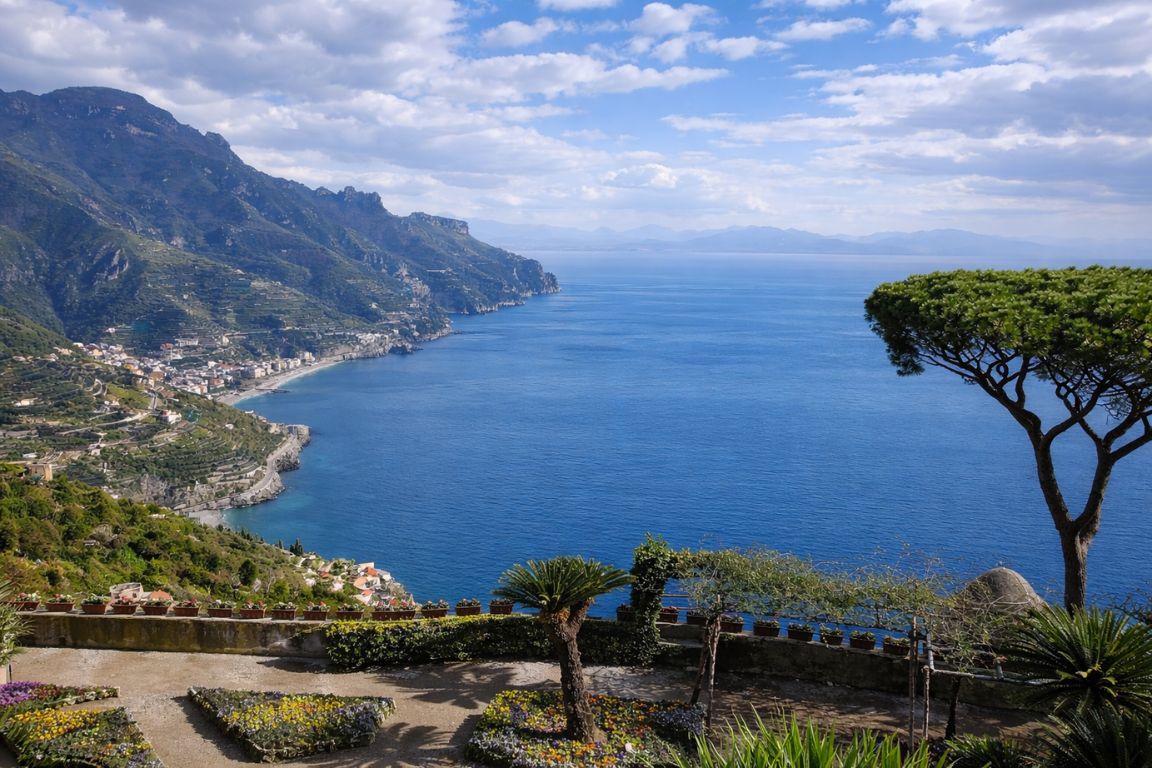
Four to five days (3-4 nights) is the sweet spot. Long enough to see Positano, Amalfi, Ravello, and hike the Path of the Gods without rushing. Short enough that accommodation costs don’t spiral. Day one: arrive and settle in your base town. Day two: Positano and Praiano. Day three: Amalfi and Ravello. Day four: Path of the Gods or beach day. Add a fifth day for Capri or Pompeii if you want.
Shorter than three nights and you’re either skipping major towns or spending half your time on buses. Longer than five nights and you start running out of new things to see unless you’re here to relax on a beach, in which case the coast might not be your best value (Greek islands are cheaper for pure beach time).
Sample 4-day budget itinerary if you’re basing in Salerno or Minori:
Day 1 (Arrival): Arrive in Salerno by train from Naples (€12, 40 minutes). Check into your hotel. Walk the old town, have dinner somewhere cheap. Rest. You’ll be walking a lot over the next few days.
Day 2 (Positano): Take the 8:00 AM ferry from Salerno to Positano (€14, 1 hour). Spend the morning wandering the vertical streets, taking photos, maybe swimming if it’s warm. Have lunch at a bakery (not a restaurant facing the beach). Take the 3:00 PM ferry back to Salerno, or continue to Amalfi if you have energy.
Day 3 (Amalfi + Ravello): Bus or ferry to Amalfi (€2.60 bus, €11 ferry). Walk through the town, visit the cathedral. Take the bus up to Ravello (€1.80, 20 minutes). See Villa Rufolo or Villa Cimbrone if you’re willing to pay the entrance fee (€7-10), or just walk the streets and gardens for free. Bus back to Amalfi, then return to Salerno.
Day 4 (Path of the Gods): Travel from your Salerno or Minori base to the appropriate connection for Bomerano, then hike only if the route and conditions suit you. Allow for the onward journey from Nocelle and confirm the final return before leaving. The Amalfi–Bomerano bus time is not the full trip from Salerno.
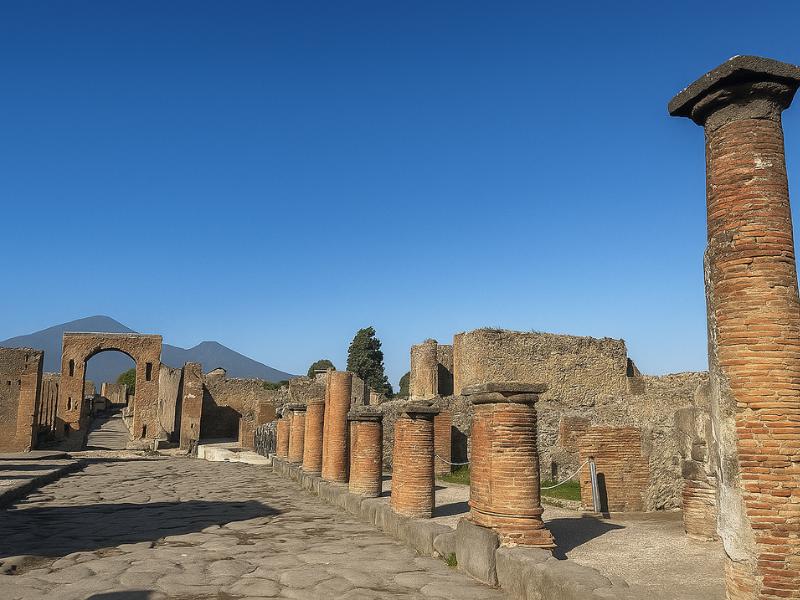
If you’re adding a fifth day: either take a day trip to Pompeii (€12 train from Salerno, €18 entrance to the ruins), or catch a ferry to Capri (€23 from Amalfi or Positano). Capri is beautiful but expensive. Budget a full day and €50-60 per person just for transport, a snack, and moving around the island.
Three nights is tight but doable. Two nights means you’re rushing and probably wasting money on transport instead of seeing things. Six nights or more makes sense only if you’re also visiting Naples, Sorrento, and Pompeii as part of a longer Campania trip.
| Accommodation (3 nights, Salerno) | €210-270 | €70-90/night |
| Food (breakfast + lunch + dinner) | €100-160 | €25-40/day |
| Transport (buses + ferries) | €40-55 | €10-14/day |
| Activities (cathedral entries, villa gardens) | €15-25 | €4-6/day |
| TOTAL | €365-510 | €91-128/day |
Illustrative price examples; check current rates for your date and party. Does not include flights to Italy or train from Naples to Salerno.
This assumes you’re comfortable reading bus schedules in Italian and don’t mind waiting 40 minutes when the ferry is delayed. If that sounds stressful, our team takes care of timing, tickets, and backup plans. You show up. We handle the rest.
Trying to figure out your itinerary? Check out how many days you need on the Italy Amalfi Coast tours – most people either shortchange it or end up with too much downtime.
Count full sightseeing days separately from arrival and departure so an extra excursion does not crowd out your core stops. Check the time your plan needs
Should You Book Tours Or Explore Independently On A Budget?
Explore independently if flexible town time and low transport costs are your priorities. Compare an organized outing when its actual route, instruction or boat time adds something you want; group sizes and services vary.
Before booking a full-day coast tour, read its stops, group cap, language and meal arrangements. Compare the time in each place with the independent day you would otherwise take; do not assume every operator offers the same format.
What you could have done instead: take the train to Salerno (€12), catch the ferry to Positano (€14), spend four hours actually exploring instead of being herded, have lunch where you want, ferry to Amalfi (€9), walk around, take the bus back to Salerno (€2.60). Total cost: €37.60. Total control: yours.
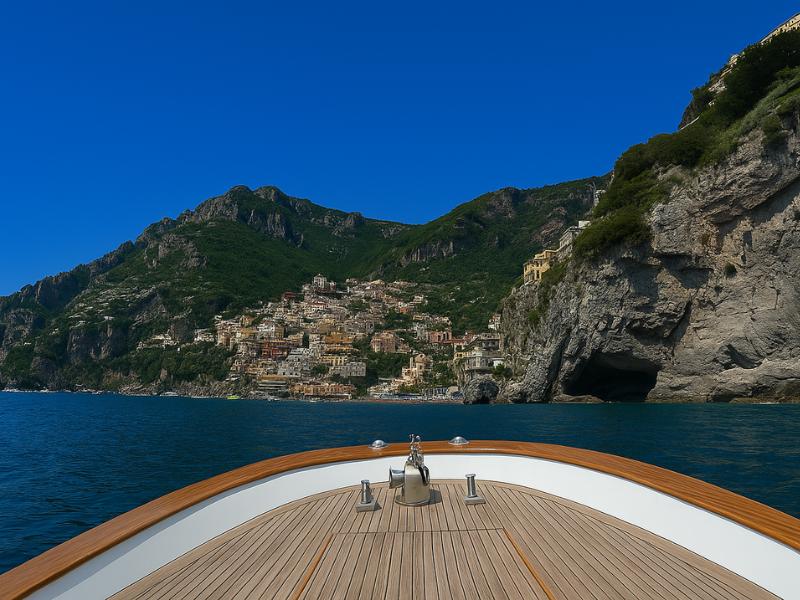
Where tours do make sense: boat trips. A small-group boat tour around the coast or to Capri costs €60-100 per person and shows you sea caves, swimming spots, and angles you can’t reach on foot. The public ferries are cheaper but they don’t stop at grottos or let you jump in for a swim. If boats matter to you, this is worth the money.
Cooking classes: if you want to learn to make pasta or mozzarella, classes run €80-120 per person and usually include lunch and wine. This is experiential, not just sightseeing, and you’re learning something you can repeat at home. Reasonable value if cooking interests you.
Guides for specific sites: Pompeii benefits from a guide (€15-20 per person for a group tour, €120-150 for a private one). The ruins are enormous and poorly labeled. A guide turns scattered stones into context. But Positano, Amalfi, Ravello? You don’t need someone explaining that the buildings are colorful and the views are nice. You can see that yourself.
Check what a skip-the-line claim actually covers. An open walking trail does not need a queue-skipping product, while a museum or archaeological site may have separate admission arrangements.
Food tours: tempting, but often redundant. A typical Amalfi food tour costs €80-100 per person for 2-3 hours of walking and tasting. You’ll try limoncello, mozzarella, maybe some pastries. All of these are things you can buy yourself for €15 if you just walk into shops. The value is the context and storytelling from the guide. If you mainly want the food, compare a current tasting-tour quote with the purchases you would make independently.
What Are The Most Common Budget Travel Mistakes On The Amalfi Coast?
Car rental, accommodation location, restaurant choices, dates and transport planning can all affect spending. Compare these decisions against your priorities rather than assuming a more expensive choice always buys a better trip.
Before renting a car, include insurance, fuel and parking for the whole stay, then compare the bus and ferry journeys you intend to make. The convenient option depends on the route and party.
Compare a Positano stay with other bases using the same dates and room requirements. Decide whether the property and location are worth the additional cost to you.
Compare menus and seating charges before ordering. A view or central location can add to the price, but a specific uphill restaurant is not automatically cheaper or better.
If dates are flexible, compare May, September or October with summer quotes. Check open services and activities too; a fixed seasonal discount is not guaranteed.
Check the actual last bus or ferry for your route before building the day around it. Some journeys require a connection in Amalfi; do not assume a direct late service or a readily available taxi.
Mistake six: bringing large luggage to a town where your hotel is up 200 steps. Positano is built vertically. So is Ravello. If you’re dragging a 25kg suitcase, you will suffer. Pack light or arrange a porter service (which will cost you €20-30). Better yet, stay somewhere accessible by road.
Mistake seven: assuming free Wi-Fi everywhere. Some hotels charge for it. Mobile data works fine in towns but drops off on hikes and between villages. Download offline maps before you go. Google Maps works offline if you save the area beforehand. Also download ferry schedules and bus timetables as PDFs. Don’t rely on live internet to figure out how to get back to your hotel.
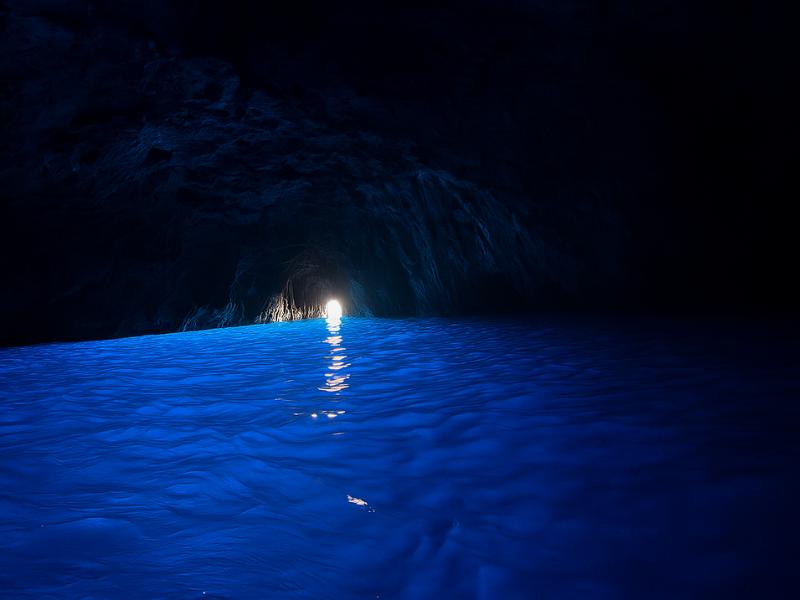
Mistake eight: thinking Capri is a quick half-day trip. It’s not. Budget a full day. The ferry from Amalfi or Positano takes 30-60 minutes depending on route. Then you’re on an island where everything costs double what it costs on the mainland. The Blue Grotto is €18 (if it’s even open, which depends on sea conditions). The chairlift to Monte Solaro is €12. A panino is €10. It’s stunning, yes, but it’s not a cheap half-day add-on.
Budget checklist: compare rental and public-transport totals; choose a base by both rate and access; check menus; compare travel dates; and read tour itineraries before paying for convenience.
These are practical planning trade-offs, not measured survey results.
Choose the outing before filling the rest of your day. Compare amalfi cooking class and coast cruise by what each quote includes and the extras to add. Choose Your Amalfi Cooking Class Or Alternative
Frequently Asked Questions
Curious how the alternatives differ? Explore amalfi cooking class and coast cruise through departure points and the time each experience takes. Discover Amalfi Cooking Class & Alternatives
Can you visit the Amalfi Coast on €50 per day?
Not comfortably unless you’re staying outside the coast entirely (Naples or Sorrento) and day-tripping in. €50/day covers accommodation in a hostel or very basic room (€30-40), one meal out (€12-15), and transport, but leaves no room for a second meal, snacks, or any paid activities. A realistic minimum for decent accommodation plus food is €80/day.
With a tight daily cap, prioritize free activities before considering a paid booking. Find free and low-cost activities
Is it cheaper to stay in Sorrento and visit the Amalfi Coast as day trips?
Yes, if you’re on a very tight budget. Sorrento accommodation runs €50-90/night versus €80-150 in coastal towns. But you’ll spend €10-15/day in transport just reaching the coast, and you lose the experience of being there in the early morning or evening when day-trippers are gone. Better compromise: Salerno or Minori.
Compare the nightly saving with daily travel time and fares; Sorrento suits some wider Campania routes better than a coast-only stay. Compare base-town trade-offs
What’s the cheapest month to visit the Amalfi Coast?
Compare quieter-season room quotes with the services that operate for those dates. May, September or October may offer a useful balance for your plans, but neither a fixed discount nor swimming weather is guaranteed.
Compare open services as well as room prices before choosing quieter months. Check the month-by-month guide
Do I need to pre-book SITA buses or ferries?
No for buses – buy tickets at tabacchi shops before boarding. For ferries in July-August, booking 1-2 days ahead is smart, especially for popular routes like Positano-Capri. Off-season, you can usually buy ferry tickets the same day at the port.
Check current operator timetables and ticket rules for your exact route before buying an activity. Plan your ferry and bus legs
Are there budget-friendly hotels with sea views?
Yes, in Minori, Maiori, Praiano, and Salerno. Expect €90-140/night. In Positano or Amalfi, a genuine sea view starts at €180-250. Many “sea view” rooms are partially obscured by buildings unless you’re paying €300+.
Ask the property about the actual room view and stair access before treating a low rate as good value. Compare accommodation locations
Is tipping expected in Amalfi Coast restaurants?
Not required. A coperto (cover charge) of €2-3 per person is already included in the bill. If service was excellent, rounding up or leaving €5-10 is appreciated but optional. Don’t feel obligated to tip 15-20% like in the US.
Use the base, transport and activity comparisons to build a budget you can actually follow. Choose an organized experience only where its stated services add something useful.
Written by Vincent Moretti
Italian (Amalfi Coast) tour guide since 2012 · Founder, Italy Amalfi Coast Tours
Vincent has guided over 6,800 travelers along the Amalfi Coast and throughout southern Italy since founding the agency.
Read the menu for cover and service charges before ordering, then keep optional gratuities separate in your budget. Plan regional meals