Budget Activities On Amalfi Coast
The Amalfi Coast has stunning free experiences - Path of the Gods, beaches, sunsets - and great €10–30 activities. Here’s how to enjoy it for €150-250/week.
Keep the free walks and public-beach days; pay only for an experience you actually want, such as cooking or time on a boat. Compare the options after the guide before allocating your activity budget. Choose Your Experience Below.
| Hiking | Free | Path of the Gods, Valle delle Ferriere, Ravello to Amalfi trail |
| Churches & Cathedrals | Free – €5 | Main churches free; Amalfi Cathedral complex €3-5 |
| Public Beaches | Free | Maiori, Minori, Atrani, Marina di Praia |
| Museums & Villas | €5-10 | Villa Rufolo €10, Paper Museum €5, Villa Cimbrone €10 |
| Group Boat Tours | €130-180 | Full-day Capri tours €130-145; half-day coastal €70-90 |
| Cooking Classes | €80-150 | Group classes €80-120; private €150-200 |
| Ferry Transport | €9-15 | Amalfi-Positano €9-10; to Capri €15-20 |
| Private Boat (4-6 people) | €300-500 | Half-day €300-400; full-day €450-600 total |
Illustrative price examples; check current rates for your date and party.
Build your week around free town walks and beaches. Compare current totals, including the journey to the meeting point, before adding a class, coast cruise or guided hike. Explore the Amalfi cooking classExplore the Amalfi cooking class.
What Free Activities Can You Actually Do On The Amalfi Coast?
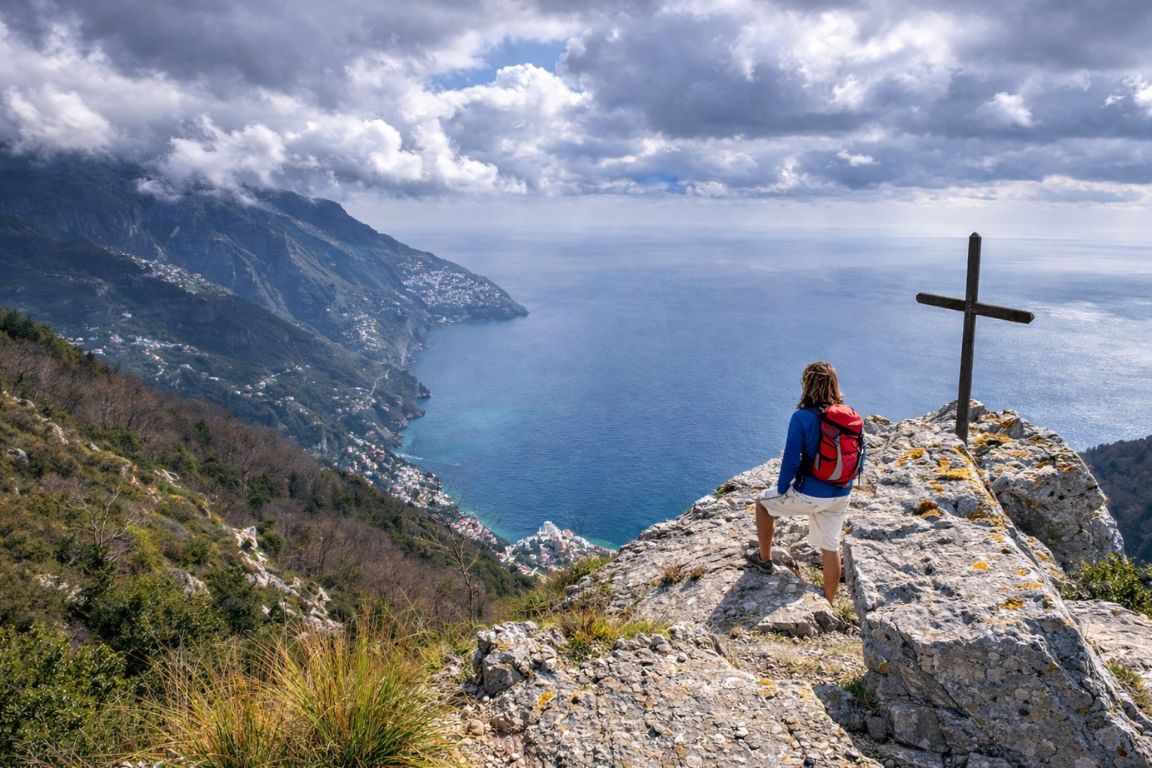
The Amalfi Coast delivers at least a dozen genuinely free, high-quality experiences that don’t feel like budget compromises: the Path of the Gods hike (7.8km of Mediterranean views that rivals any paid tour), wandering the vertical streets and staircases of Positano or Amalfi (architectural theater that costs nothing), visiting main churches including Positano’s Santa Maria Assunta and Ravello’s Duomo (free entry to worship spaces, small fees only for special sections), lounging on public beaches in Maiori, Minori, Atrani, and Marina di Praia, watching sunset from any clifftop viewpoint, exploring the Valle dei Mulini old paper mill ruins, and photographing the fjord at Furore. These aren’t filler activities while you save money for the “real” experiences. They’re often the experiences travelers remember most.
The Path of the Gods earns first mention because it’s the coast’s signature free experience and arguably its best activity at any price. This 7.8-kilometer trail runs from Bomerano (in Agerola) to Nocelle above Positano at roughly 500-650 meters elevation, offering continuous views of the coastline, Capri, and the Li Galli islands. The trail itself costs nothing. No entrance fee, no permit required, no reservation needed. You show up at the trailhead in Bomerano and walk.
The Path of the Gods can be walked independently, but its uneven and exposed sections need preparation. Check the route and conditions, and allow for the journey to Bomerano and onward from Nocelle. A guide can add local context and company; transport is included only if the exact option says so.
Public beaches break the Amalfi Coast’s expensive reputation in the most literal way. Every town with waterfront access maintains free beach sections. Maiori offers the coast’s longest beach, nearly a full kilometer of sand and pebbles with ample free space even in summer. Minori’s beach is smaller but equally free, tucked into a cove with clear water for swimming. Atrani’s tiny beach sits in a ravine between cliffs, intimate and less crowded than the paid options in nearby Amalfi. Marina di Praia in Praiano provides free access to a small beach in a protected cove, though lounger rental is available if you prefer.
The distinction matters: beach clubs charge €35-80 per day for two loungers and an umbrella in premium spots. Public beaches charge nothing. You bring a towel, claim a spot on the pebbly sand, and swim in the same Mediterranean. The tradeoff is comfort and service. No attendant brings drinks, no reserved space guarantees your spot, no cushioned lounger. But the water temperature and the view remain identical.
Churches throughout the coast welcome visitors free of charge. Positano’s Chiesa di Santa Maria Assunta, with its iconic majolica-tiled dome, opens daily for worship and quiet visits. The Byzantine icon of the Black Madonna sits above the altar. Entry is free, though donations are appreciated. Ravello’s Duomo di San Pantaleone costs nothing to enter, its bronze doors and pulpit mosaics visible to anyone who walks through. The crypt of St. Pantaleon, holding the saint’s blood that supposedly liquefies annually, is open during services.
Amalfi’s Cathedral of Sant’Andrea operates on a hybrid model. The main cathedral church is free to enter as a place of worship. The Cloister of Paradise, museum, and crypt require a €3-5 ticket. Most visitors pay for the full experience, but if budget is tight, the main cathedral alone is worth seeing. The Arab-Norman facade, the bronze doors, the baroque interior, all accessible without charge during worship hours.
Smaller churches throughout the coast, from Atrani’s San Salvatore to Praiano’s San Gennaro, stay open and free. They lack the famous names but often hold more character, their regular parishioners and local saints’ feast days providing glimpses of coast life beyond tourism.
Walking the towns costs nothing and often reveals more than guided tours. Positano’s staircases connect vertical neighborhoods in a three-dimensional maze. Start at the main beach and climb. Each turn up Via Cristoforo Colombo or the various stairway routes reveals new vantage points, small piazzas where locals gather, and architecture that photographs better from odd angles than from the famous overlooks. The physical effort serves as natural crowd control; tourists cluster at beach level while the upper streets remain quieter.
Amalfi’s historic center concentrates around Piazza Duomo, but walking inland along Via Genova or Via Capuano leads to residential quarters where laundry hangs between buildings and elderly residents sit outside their doors. The Valle dei Mulini hike starts from the town center and reaches the ruins of old paper mills within 30 minutes of easy walking. The path is free, the mills are open-air ruins (no entrance fee), and the waterfalls add scenery. Follow local access rules and do not assume pools are open or suitable for swimming.
Ravello sits 365 meters above sea level, accessible by bus from Amalfi. The town itself is a walking experience. Piazza Vescovado, the main square, offers views toward Maiori and the coast. Small streets branch off toward residential areas with more gardens, more views, more quiet corners. Villa Rufolo and Villa Cimbrone charge entrance fees, but their gardens are visible from outside, and the public viewpoints throughout town match many of their paid vistas.
Sunset watching is free, obvious, and somehow still underrated. The Amalfi Coast faces south-southwest, meaning sunset happens over the mountains rather than over the sea for most viewing points. The exception is west-facing spots like Praiano’s Torre a Mare area or Positano’s westernmost beaches, where you can catch the sun dropping toward the horizon above the water. But even the mountain sunsets work, the light turning the pastel buildings golden-pink and the sea from blue to bronze.
Furore’s fjord is a natural gorge where a tiny beach sits at the base of sheer cliffs, crossed by a bridge 30 meters overhead. It’s free to visit, walk across the bridge, take photos, and scramble down to the beach if you’re willing to navigate the steep path. The fjord hosts the MarMeeting diving competition in July, but visiting outside that event costs nothing.
We’ve rounded up the best things to do on the Italy Amalfi Coast tours so you’re not just wandering around wondering what you should be experiencing.
Keep this day independent if walking is the experience you want; check the route and access before setting out. Plan the self-guided hike
Which Paid Activities Offer The Best Value For Money?
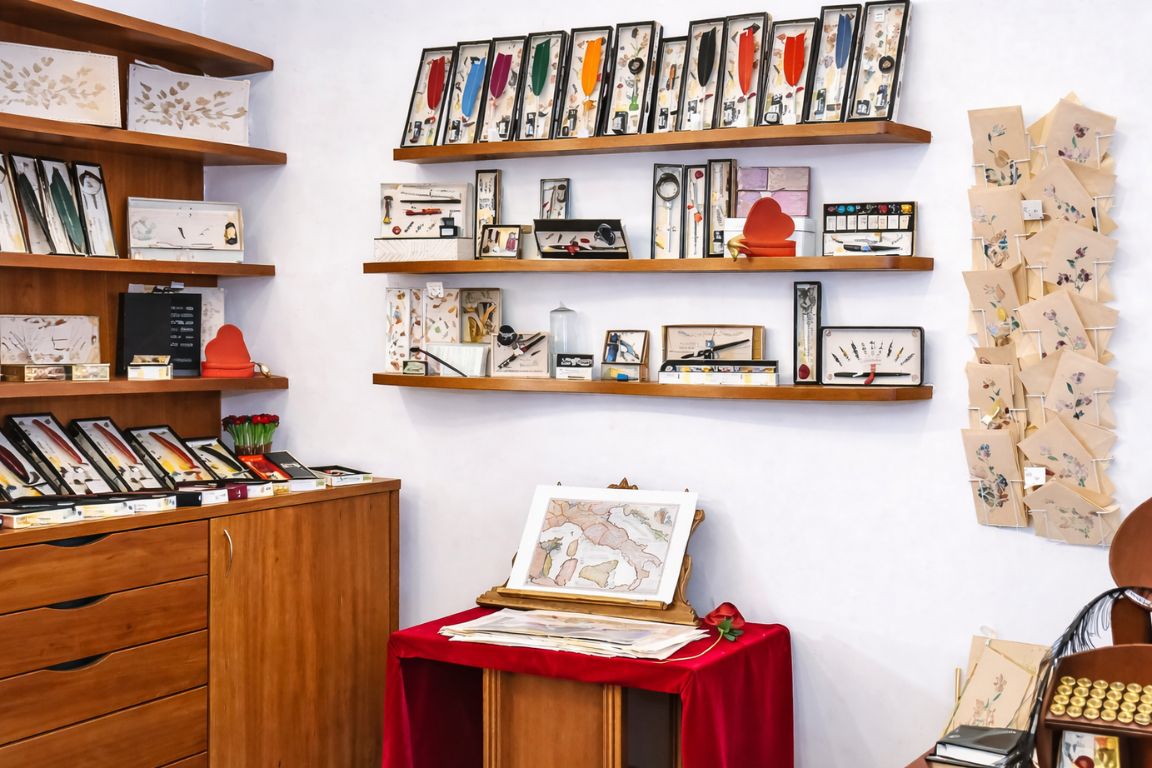
Choose a paid activity for the feature it adds: dedicated boat time, interpretation at a museum or hands-on cooking instruction. Compare current totals with the independent alternative; the examples here do not establish guaranteed savings.
Shared boat tours and private charters offer different formats. Check the selected listing’s exact start, duration, group cap, equipment and time ashore. Do not assume pickup from your hotel or free snorkeling equipment.
For a fair Capri comparison, add the actual return ferry, local transport, any separate island cruise, admission and meals. Compare that total with the organized option; convenience and itinerary matter alongside the price.
The trick is choosing the right tour operator. Some pack 20+ people onto boats, others cap at 8-12 for small-group feel. Read reviews specifically looking for boat size mentions. A 12-person limit on a traditional gozzo boat feels social and comfortable. A 25-person crowd feels like a ferry with commentary.
Half-day coastal tours (Amalfi to Positano, exploring grottos and beaches) run €70-90 and work well if you’ve already visited Capri independently or don’t have a full day available. These typically last 3-4 hours, include 2-3 swimming stops, and cover the coastline at a relaxed pace.
Villa Rufolo in Ravello charges €10 for garden access and delivers one of the coast’s best cultural value propositions. The 13th-century villa complex includes terraced gardens overlooking the coast from 365 meters elevation, the Sala Moresca with its Arab-Norman architectural details, and rotating art exhibitions in the villa rooms. Budget 60-90 minutes to explore fully. The gardens are where you’ll linger, their design playing with perspective so that the sea appears to drop away beneath manicured hedges and flower beds.
Villa Cimbrone, also in Ravello, costs €10 and offers the Terrazza dell’Infinito (Terrace of Infinity), a belvedere lined with marble busts where the view extends from Salerno to Paestum on clear days. The gardens here are more extensive than Villa Rufolo’s, with rose gardens, crypts, grottos, and temple ruins scattered across the property. If you have to choose one villa on a budget, Villa Rufolo offers better value per euro (smaller but more concentrated experience), but Villa Cimbrone delivers the more dramatic viewpoint.
The Paper Museum (Museo della Carta) in Amalfi costs €5 for a self-guided tour, €8-10 for a guided tour. Amalfi’s medieval paper industry produced documents that traveled throughout Europe, and this museum preserves the original mills and demonstrates traditional papermaking. It’s niche, it takes 45 minutes to tour, but €5 for genuine cultural content in a restored mill complex beats €50 for many of the coast’s “experiences.”
Cooking classes cluster in the €80-150 range depending on group size and what’s included. Group classes (6-12 people) typically cost €80-120 per person for 3-4 hours of instruction, cooking a full meal, and then eating what you prepared with wine included. Private classes or couples-only sessions run €150-200 per person but include more personalized instruction and flexibility with recipes.
Compare the actual class menu, duration and total with the meal you would otherwise buy. A class adds participation and instruction; it is not automatically cheaper than a restaurant.
Most cooking classes focus on regional specialties: scialatielli ai frutti di mare (fresh pasta with seafood), parmigiana di melanzane (eggplant parmigiana), pastiera napoletana (Neapolitan ricotta cake), and inevitably something lemon-based, either limoncello or delizia al limone. You’ll learn technique, hear stories about the dishes’ history, and eat better than most tourist restaurants serve because you’re cooking with a local host using their suppliers and recipes.
Ferries in summer (April-October) cost €9-15 for most routes and provide transport that doubles as sightseeing. The Amalfi-Positano ferry costs €9-10 and takes 25-30 minutes depending on sea conditions, offering continuous coastal views. Taking the ferry instead of the bus saves no money (bus costs €2-3), but the sea perspective adds value. The ferry to Capri from Amalfi or Positano costs €15-20 each way, cutting travel time versus taking the bus to Salerno or Sorrento first and catching a ferry from there.
The ferry value proposition breaks down in rough weather (service cancels) or outside summer season (limited or no service November-March). But from April through October, ferries work as both practical transport and scenic activity.
How Much Do Popular Amalfi Coast Activities Actually Cost?
Expect €10 or less for self-guided museum visits and most church complexes, €50-90 for half-day experiences like guided hikes or short boat tours, €100-150 for full-day group activities including boat tours to Capri or multi-town day tours with transport, and €300-600 for private experiences split among your group (private boat charters, private cooking classes, private driver for the day). Wine tastings run €25-50 per person, ceramic workshops €40-80, and lemon grove tours with tastings €20-35. The expensive activities (€500+ per person) cluster around private yacht charters, helicopter transfers, and Michelin dining, all avoidable without sacrificing the essential coastal experience.
| Path of the Gods (self-guided) | Free | 2-3 hours | Transport to/from trailhead €6-12 total via bus |
| Path of the Gods (guided) | €50-80 | 4-5 hours | Includes guide, sometimes transport |
| Group boat tour to Capri | €130-180 | 7-8 hours | Includes transport, swimming, island time |
| Private boat (half-day) | €300-450 total | 4-5 hours | Price for boat (4-8 people), split among group |
| Private boat (full-day) | €500-800 total | 7-8 hours | Fuel extra (€50-100), price split among group |
| Cooking class (group) | €80-120 | 3-4 hours | Includes meal, wine, recipes |
| Wine tasting (winery) | €25-50 | 1.5-2 hours | 4-6 wines, snacks, sometimes vineyard tour |
| Ceramic workshop | €40-80 | 2-3 hours | Make and paint your own piece, ships later |
| Lemon grove tour | €20-35 | 1-1.5 hours | Includes tastings, limoncello sample |
| Kayak rental | €15-25/hour | Flexible | Half-day rentals sometimes discounted |
| Guided kayak tour | €50-75 | 2-3 hours | Includes equipment, guide, snorkeling |
| Pompeii day trip (group) | €70-90 | 6-7 hours | Includes transport, guide, entrance fee |
| Private driver (full-day) | €300-450 | 8 hours | Flexible itinerary, split among passengers |
| Villa Rufolo gardens | €10 | 1-1.5 hours | Ravello |
| Villa Cimbrone gardens | €10 | 1-2 hours | Ravello, includes Terrazza dell’Infinito |
Prices verified February 25, 2026
The cost structure reveals a pattern: free activities (hiking, beaches, churches) require your time and physical effort. Budget activities (€5-30) add cultural or educational content without major time commitments. Mid-range activities (€50-150) typically include instruction, guidance, or organized logistics. Expensive activities (€300+) offer privacy, customization, or luxury service.
Private boat charters demonstrate the value calculation clearly. A half-day private charter costs €300-450 total for the boat, plus fuel (€50-100 depending on route). For a couple, that’s €175-275 per person. For a family of four or group of six, it drops to €88-138 per person or €58-92 per person respectively. The group boat tour costs €130-145 per person regardless. The private charter becomes cost-competitive once you have 3-4 people splitting the cost, and better value with larger groups.
A self-guided Path of the Gods day still needs transport planning. A guided option can add local context and company, but check whether it starts in Bomerano and whether any transfer is actually included.
Trying to figure out if it fits your budget? Our guide on is the Amalfi Coast expensive breaks down hotel costs, dining prices, and transportation so you can plan accordingly.
Choose the outing before filling the rest of your day. Compare amalfi cooking class and coast cruise by what each quote includes and the extras to add. Choose Your Amalfi Cooking Class Or Alternative
What’S The Best Way To See Multiple Towns Without Breaking The Bank?
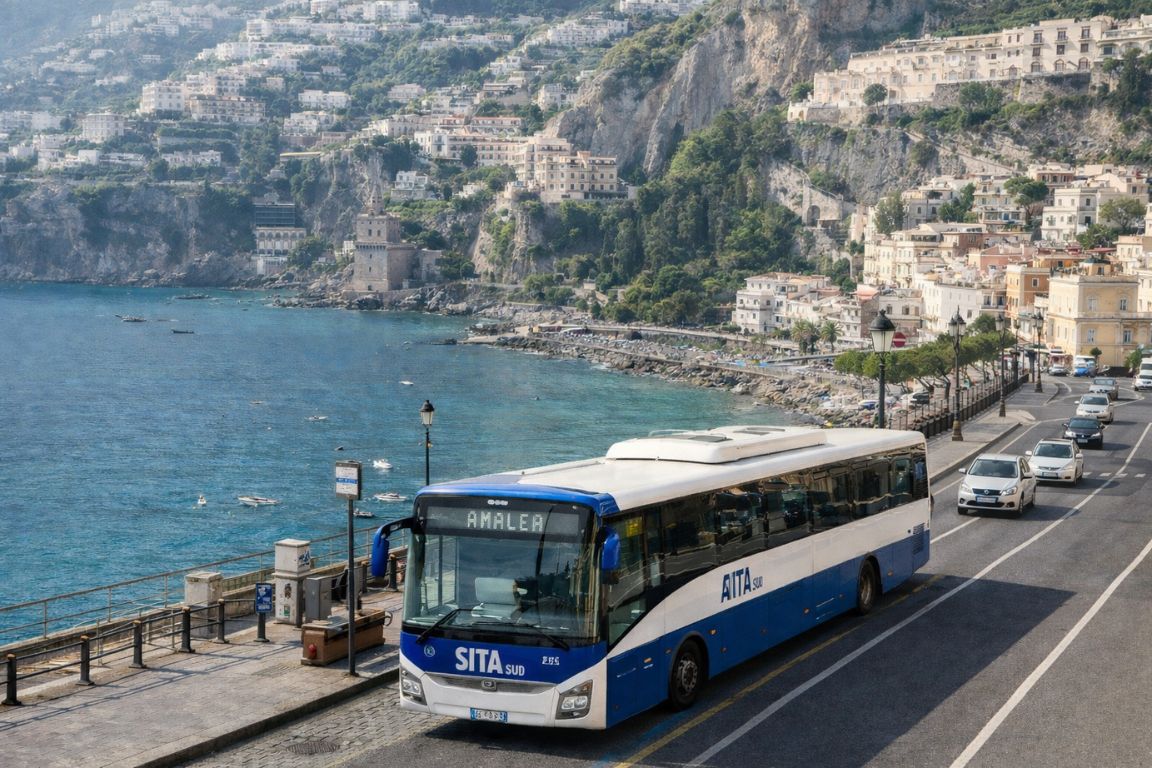
SITA buses remain the budget champion for town-to-town transport at €1.50-3.50 per ride or €10 for unlimited 24-hour travel, running frequently between all major towns and solving the coast’s transport challenge for minimal cost. Ferries (April-October) cost €9-15 per route but deliver sea views that double transport and sightseeing, justifying the premium over buses when schedule and budget allow. Renting a scooter (€35-50/day) or sharing a private driver (€300-450/day split 3-4 ways) makes sense only for groups wanting maximum flexibility despite higher cost. Walking between nearby towns, Amalfi to Atrani (10 minutes), Amalfi to Ravello via the old mule path (60-90 minutes uphill), or Nocelle to Positano (1,700 steps, 45 minutes), costs nothing and often reveals more than motorized transport.
The SITA bus system runs two main routes: Sorrento-Positano-Amalfi and Amalfi-Salerno. These connect at Amalfi, where you can transfer between routes. A single ticket costs €1.50-3.50 depending on distance traveled. The 24-hour unlimited pass costs €10 and allows as many rides as you want within that period, making it the obvious choice if you’re planning to visit 3-4 towns in a day.
Bus schedules run roughly every 30-60 minutes in summer, more sparse in winter. The challenge isn’t frequency; it’s crowding. Summer buses between Positano and Amalfi or Amalfi and Ravello often fill to capacity, meaning you might wait for the second or third bus before finding space. The strategy: catch buses early in the morning (before 10 AM) or later in the afternoon (after 4 PM) when tourist crowds thin. Midday buses in July-August can involve 30-40 minute waits at popular stops.
The coastal road itself functions as an attraction. Sitting on the right side when traveling from Amalfi toward Positano or Sorrento puts you on the sea-view side. The driver navigates hairpin curves while you watch cliff-face towns and blue Mediterranean pass outside the window. If you are sensitive to motion, seek pharmacist or clinician advice before using medication and follow its instructions.
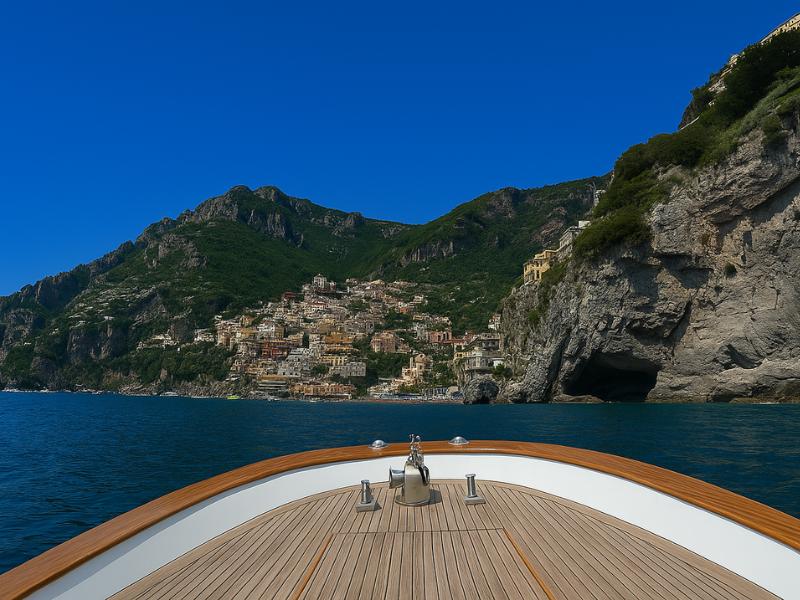
Ferries cost more than buses but eliminate the winding-road issue while adding water perspectives on the towns. The Amalfi-Positano ferry costs €9-10, runs April-October, and takes about 25 minutes. You see Positano’s cascade of buildings from sea level, the classic postcard view, rather than from inside the town where you can’t get the full vertical perspective. The ferry from Amalfi or Positano to Capri costs €15-20 and saves the time of taking a bus to Salerno or Sorrento first.
Ferry schedules and service depend entirely on weather. Rough seas mean cancellations. The system provides a good backup (SITA buses still run), but if you build an itinerary around ferry timing and wake to discover choppy conditions canceled service, you’re rerouting your day. Check weather and sea conditions when planning around ferries.
Walking between certain towns costs nothing and often provides better experiences than motorized transport. The Amalfi-Atrani walk takes 10 minutes along a waterfront path, making the ferry or bus absurd unless you’re carrying heavy luggage. Atrani deserves exploration anyway, its tiny piazza and small beach often overlooked by travelers who stay in Amalfi proper.
The Amalfi-Ravello walk follows the old mule path (scalinata), climbing roughly 400 meters over 1.5-2 hours depending on pace. It’s steep, it’s a workout, but it passes through terraced lemon groves, offers continuous views, and arrives in Ravello having seen the gradient between sea-level Amalfi and mountain-perched Ravello in a way the bus can’t convey. The return trip reverses the route downhill, or you can take the bus down (€1.50) after walking up.
The Nocelle-Positano descent involves roughly 1,700 steps and takes 45-60 minutes. It’s the natural continuation after hiking the Path of the Gods to Nocelle. You can take the bus from Nocelle to Positano, but the steps wind through gardens and residential areas with views that reward the effort. Your knees will feel it afterward if you’re not accustomed to steep descents.
Compare a scooter’s full rental and fuel cost with the public-transport tickets you would use. More journeys do not automatically make it cheaper than a day pass; choose it only if your riding experience and the route make it suitable.
Private drivers cost €300-450 for a full day (typically 8 hours), allowing complete itinerary flexibility. For solo travelers or couples, this is expensive compared to buses. For groups of 3-4 splitting the cost, it becomes €75-150 per person for the day, which starts looking reasonable if you value the convenience of door-to-door service, flexible timing, and someone else navigating the coastal roads while you look out the window.
The smart multi-town strategy combines methods based on the day’s plan. Use SITA buses for routine transport between your base and destinations. Use ferries when traveling to/from Capri or when you specifically want the sea-view experience. Walk between very close towns or when the journey itself is worth experiencing. Use a private driver only for special day trips where logistics are complex (Pompeii, Naples, multiple stops) and you have 3-4 people splitting the cost.
Need help with logistics? Check out our breakdown on how to plan a trip to Italy Amalfi Coast tours – from choosing your base town to navigating those narrow coastal roads.
Public transport remains a useful budget choice for town visits; map both the outbound and return journey. Plan your bus and ferry route
Are Boat Tours Worth The Money (And Which Ones Are Best)?
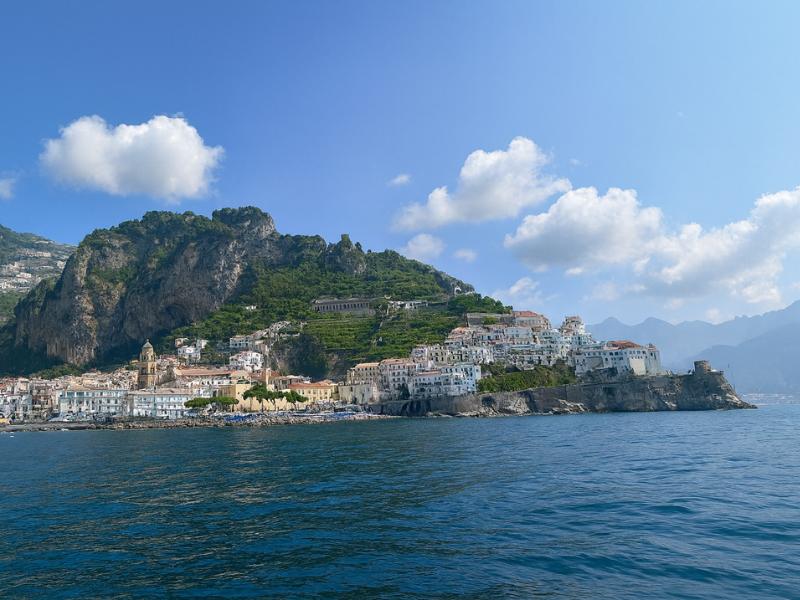
Compare a dedicated coast cruise with a separate Capri day and with scheduled ferries. A cruise adds time on the water and the stops stated in its itinerary; a ferry is useful for independent town visits. Private charters add exclusive use within an agreed route, so compare an all-in quote for your party.
A boat tour can organize its stated route, while independent ferries give you control of the rest of the day. Choose the format for the experience and practical arrangements you value.
Check the actual ferry or tour departures from your base before comparing Capri options. An organized Sorrento departure does not imply pickup from every coastal town. Read the route, time ashore, equipment and extras in the selected listing.
The tour has its own weather-dependent operating decision and cancellation terms. Compare its complete current price with the independent route you would actually take.
The trick is selecting good operators. Avoid the 20-30 person boats that feel like floating buses. Look for operators capping groups at 8-12 people. The boat size matters. Traditional gozzo boats hold 8-12 comfortably. Modern speedboats can pack 25+ people. Read recent reviews specifically mentioning group size and boat type. The companies running smaller groups charge roughly the same €130-180 but deliver far better experiences.
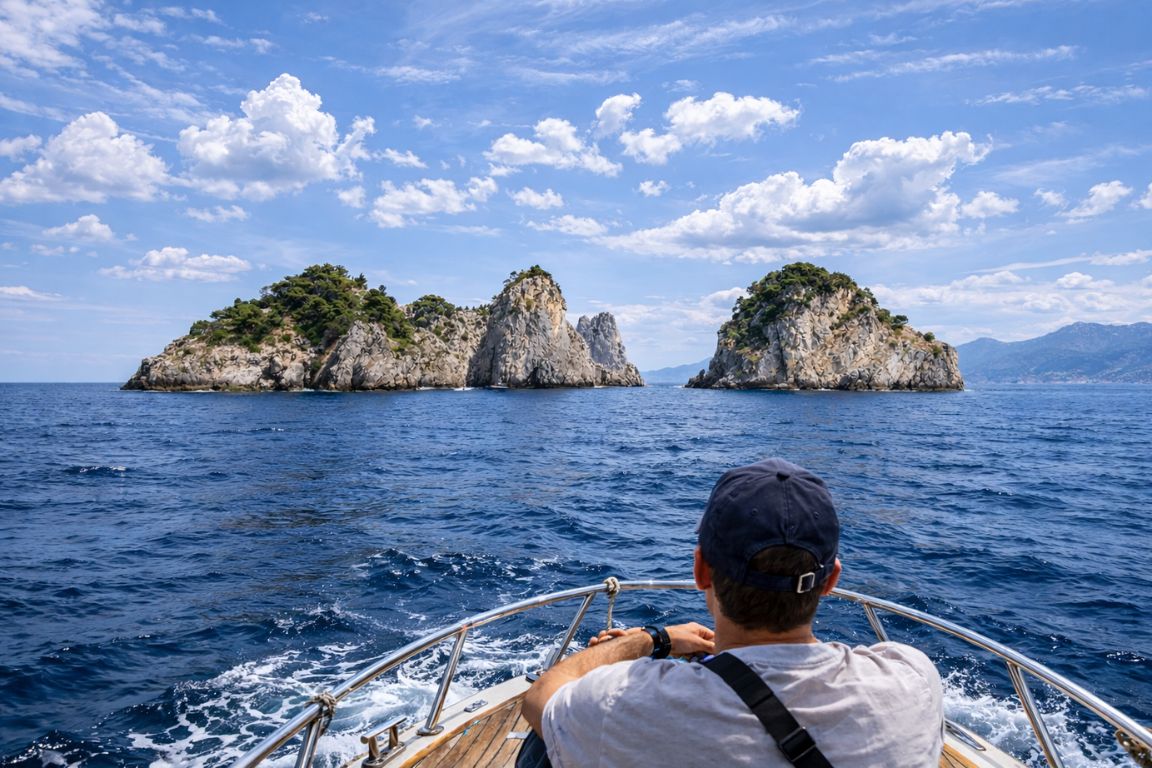
Half-day coastal tours (typically Amalfi-Positano or similar routes) cost €70-90 and last 3-4 hours. These work well if you’ve already done Capri independently and want the water perspective on the coast, specifically access to grottos and beaches unreachable by land. The Emerald Grotto near Conca dei Marini, various sea caves along the Praiano coast, and small beaches accessible only by boat all become visible on these tours.
However, if your primary goal is seeing the towns themselves, Positano and Amalfi don’t reveal much from water level that you can’t see from land. The dramatic views of Positano cascading down the slope work better from the water than from inside the town, but you can get that perspective from the ferry for €9-10. The half-day tours make most sense for travelers staying 5-7 days who have already covered the towns and hiking and want water-based exploration.
For a private charter, add any fuel and mandatory extras to the boat quote before dividing by party size. Compare the same duration and route with a shared option; the example ranges do not establish current per-person savings.
A larger party may find exclusive use attractive. Compare complete quotes and confirm which route changes are possible; swimming time, lunch stops and the return still depend on the agreement and conditions.
Private charter quality varies enormously. Some operators provide basic boats with minimal amenities. Others offer cushioned seating, sound systems, coolers stocked with drinks, snorkeling gear, and captains who double as informal guides pointing out coastal features and history. Price doesn’t always correlate with quality; read reviews carefully, ask about what’s included, and confirm the boat type before booking.
Sunset tours cost €60-90 for 2-3 hours and cruise a section of coast during the golden hour and sunset. The light is better for photography. The water is often calmer in the evening. The coast feels different under evening light. But you’re seeing the same grottos, same coastline, same towns as daytime tours, just at a different time.
They make sense if you’ve done daytime boat tours before and want a different experience, if you’re a photographer who values sunset light specifically, or if your schedule makes evening the only practical time. For first-time visitors on a budget, skip the sunset tour premium and take a daytime group tour instead.
Do not judge boat quality from price alone. Check passenger caps, time ashore, boat facilities and the actual route before deciding whether a low-priced option suits you.
For an independent Capri day, include both ferry legs, any separate island cruise and local expenses. Compare the total with a current organized-tour quote; a one-way fare is not the whole-day cost.
A group Capri outing may suit you if its route and organized elements are worth the price. Independent travel is a valid alternative when you prefer to set your own island day.
Not sure which one to choose? Check out our guide on which Amalfi Coast boat tour you should actually book – they’re not all the same despite similar marketing.
What Budget-Friendly Food Experiences Should You Not Miss?

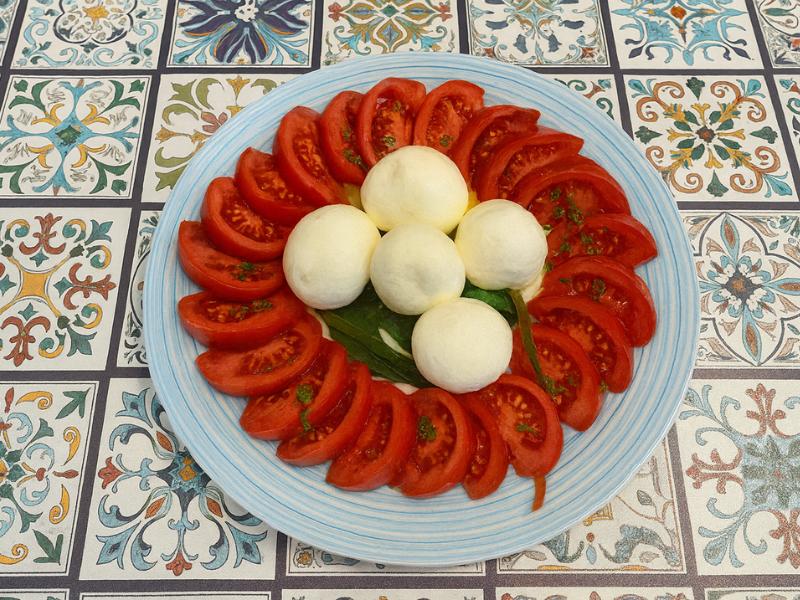
Delis (salumerie) and bakeries throughout the coast sell fresh mozzarella, local salami, tomatoes, and bread for €8-15 total, making extraordinary picnic lunches you can eat on beaches or scenic overlooks rather than paying €25-40 for restaurant meals. Aperitivo culture (€8-12 for a drink with free appetizers) between 6-8 PM offers light dinners without restaurant pricing. Pizza fritta and cuoppo (fried seafood cones, €5-10) provide authentic street food that tourists often miss. Limoncello tastings at small producers (€3-8) beat buying tourist-grade bottles, and the coastal markets in Maiori, Minori, and Vietri sul Mare sell local produce, cheeses, and cured meats at normal Italian prices rather than coastal premiums.
The salumeria/deli strategy works throughout Italy but becomes especially valuable on the Amalfi Coast where sit-down restaurant meals start at €50 per person. Every town has at least one deli selling fresh cheeses (mozzarella di bufala, provolone, scamorza), cured meats (prosciutto, salami, pancetta), vegetables (sun-dried tomatoes, grilled eggplant, olives), and bread. Point at what you want, they slice or portion it, and you walk out with ingredients for a feast costing €8-15 total.
The delis we direct clients to: Latteria in Positano (tucked near Hotel Poseidon, easily missed), any of the several alimentari shops in Amalfi along Via Genova, and the small market in Praiano’s main square. These aren’t advertised tourist experiences. They’re working shops serving locals. But tourists are welcome, and the food quality exceeds what you’ll get at most restaurants for five times the price.
Pair your deli haul with bread from a bakery (€2-3 for a large loaf), find a spot overlooking the coast, and you’ve created a better lunch than most restaurants serve. The beach at Atrani, the gardens outside Villa Rufolo if you’ve paid entrance, the public viewpoints throughout Ravello, or any of the coastal overlooks along the Path of the Gods all become dining rooms with better views than Michelin restaurants charge €200 for.
Pizza fritta (fried pizza dough filled with ricotta, salami, or other fillings) appears at some bakeries and street vendors, typically €3-5 per large portion. It’s Neapolitan street food that made its way south, and it’s criminally underutilized by tourists who walk past looking for sit-down restaurants. The fried dough is rich, filling, and works as lunch or a substantial snack.
Cuoppo is the coastal equivalent: fried seafood (calamari, small fish, shrimp) served in a paper cone, eaten while standing or walking. It costs €5-10 depending on portion size and what’s included. You’ll find cuoppo vendors near beaches and harbors in most towns. It’s not fine dining. It’s local working food, the same preparation fishermen’s families have eaten for generations, now available to tourists for less than the cost of an appetizer at a waterfront restaurant.
Aperitivo culture operates throughout Italy but particularly well on the Amalfi Coast where sunset views enhance the experience. Between roughly 6-8 PM, many bars offer aperitivo: buy a drink (€8-12 for a spritz, prosecco, or cocktail) and receive free access to a buffet of appetizers, olives, cheeses, small sandwiches, and sometimes pasta or rice dishes. The free food isn’t massive portions, but it’s enough to constitute a light dinner for many travelers.
The aperitivo game works like this: order your drink around 6:30-7 PM, take a small plate of food from the buffet, enjoy slowly, then leave or order a second drink and take more food. Two drinks over 90 minutes with two trips to the buffet costs €16-24 total and provides more than enough food for a light evening meal. Compare that to €50-80 for a sit-down restaurant dinner.
Look for bars with outdoor seating and decent views. They’re charging for the ambiance more than the alcohol, so make sure the ambiance justifies the €8-12 drinks. In Positano, several bars along the beach do aperitivo. In Amalfi, check bars near the harbor. In Praiano and Minori, ask locals for aperitivo recommendations, they’ll point you to the spots offering the best food spreads.
Limoncello tastings at small producers cost €3-8 and include sampling 3-5 varieties while learning the production process. The lemons grown on the Amalfi Coast are a protected variety (Sfusato Amalfitano), larger and less acidic than standard lemons, creating limoncello with smoother, sweeter character. The tourist shops sell bottles for €15-30. The small producers sell better quality for €12-20, and you’ve learned what distinguishes good from mediocre limoncello through the tasting.
Small producers dot the lemon terraces above most towns. Many don’t advertise heavily but welcome visitors, especially if you call ahead. Your hotel can usually recommend a nearby producer open for tastings. The experience takes 30-45 minutes, costs less than a museum visit, and results in better souvenirs than anything from tourist shops.
Markets operate weekly in most towns: Maiori (Thursday morning), Minori (Monday morning), Vietri sul Mare (Monday morning), Salerno (daily). These sell produce, cheeses, cured meats, olive oil, wine, and household goods at prices locals pay rather than tourist premiums. A bottle of local wine costs €4-8 at the market versus €8-15 in tourist shops. Fresh mozzarella costs €4-6 per half-kilo versus €8-12 at coastal shops.
The markets require more effort than delis (you need to be there on market day, carry your purchases, and potentially bargain), but they offer the most authentic food shopping experience and the best prices on the coast.
Wondering what to eat while you’re there? I’ve put together a complete Amalfi Coast food guide covering everything from seafood specialties to where locals actually eat.
Keep markets and delis in your food budget, then decide whether cooking instruction deserves a separate spend. Find regional foods to try
Which Hiking Trails Are Free And Worth Your Time?
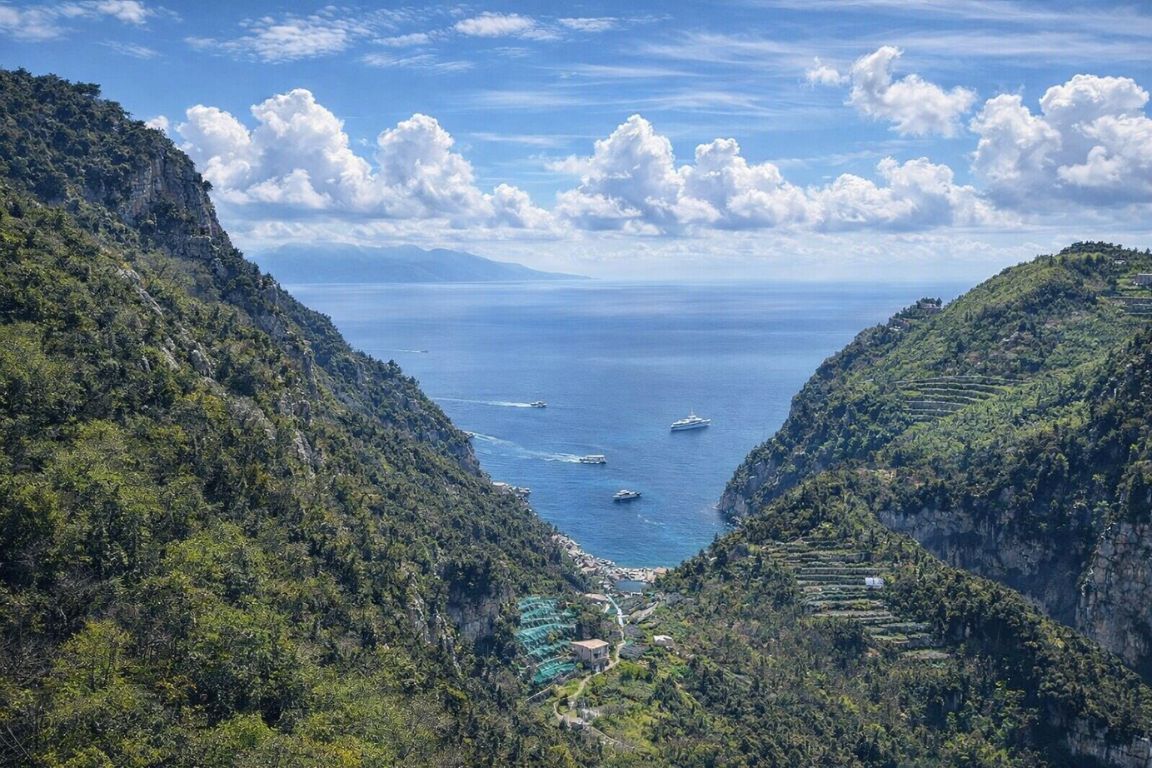
The Ravello–Amalfi walking route and walks around the Valle dei Mulini offer alternatives to the Path of the Gods. Check the exact route, any reserve admission and current access before setting out; not every nature-reserve area is freely accessible.
The Valle delle Ferriere trail starts from Amalfi town center, following the Valle dei Mulini past old paper mills before climbing into the nature reserve. The reserve protects one of the few remaining populations of the rare woodwardia radicans fern, surviving here since the Tertiary period when the Mediterranean climate was more tropical. You don’t come for the fern alone (though it’s genuinely rare), you come for the lush forest, the waterfalls, and the sense of depth that emerges when climbing from sea level to forested mountains in the space of an hour.
The valley walk offers forest and waterfall scenery. Check the exact route and current reserve admission arrangements, and do not assume a waterfall pool is open or suitable for swimming.
Return the same way or continue upward to connect with routes that eventually link to Agerola and the Path of the Gods network, though this full traverse requires a full day and more advanced hiking preparation. For most travelers, the waterfall serves as the destination and turnaround point.
The Ravello-Amalfi walk descends 365 meters over roughly 1.5 kilometers via the medieval stairway (scalinata) that connected the mountain town to the coast before the modern road existed. The stone steps wind through terraced lemon groves, passing old churches, small farms, and residential areas that tour buses never see. The descent takes 45-90 minutes depending on your pace and how often you stop for photos.
This route works especially well as a one-way walk: take the bus from Amalfi up to Ravello (€1.50, saves the uphill climb), explore Ravello’s villas and gardens, then walk down to Amalfi rather than taking the bus back. You see the elevation change viscerally, understand the relationship between mountain refuge and coastal port that defined medieval Amalfi, and arrive in town having earned your lunch.
The uphill version reverses this, climbing from Amalfi to Ravello via the scalinata. It’s steeper and more strenuous than walking down, taking 90-120 minutes for most hikers. The reward is arriving in Ravello’s cool mountain air and gardens after earning the elevation, rather than stepping off a bus. Either direction costs nothing beyond bus fare if you choose to ride one segment.
Monte Faito is a separate mountain outing toward the Sorrento peninsula, not a trail directly above Vietri sul Mare. Check current access and transport carefully before adding it to an Amalfi Coast budget plan.
For a mountain outing, confirm the trail, current access and return transport before leaving. Carry supplies appropriate to the route and do not rely on an assumed direct bus from Vietri sul Mare.
Coastal paths between beaches and grottos exist throughout the coast but often lack formal names or consistent marking. These range from obvious paths (like the waterfront walk between Amalfi and Atrani) to sketchy scrambles requiring careful footing (various routes to hidden beaches below Praiano). Ask locally about specific routes based on your comfort level and what you’re hoping to see.
The Fiordo di Furore has paths descending from the bridge to the beach at the base, free to walk though steep and requiring good balance. Small beaches between Maiori and Cetara connect via coastal paths, some easier than others. The route between Erchie and Cetara involves about 90 minutes of moderate hiking along cliffsides.
These secondary trails see far less traffic than Path of the Gods, making them appealing to travelers who want solitude over famous views. The tradeoff is less certain trail conditions, less information available online, and occasionally ambiguous path-finding. If you’re comfortable with a bit of uncertainty and mild adventure, they offer free exploration. If you prefer clear destinations and well-maintained trails, stick to Path of the Gods and Valle delle Ferriere.
Need a money-conscious game plan? Our budget Amalfi Coast itinerary walks you through how to see everything worth seeing while keeping daily costs reasonable.
Choose your hiking date before arranging the journey to Bomerano and onward from Nocelle. Walk the Path of the Gods with an English-speaking guide and walking sticks on a 4.5-hour outing. Choose Your Path Of The Gods Date
How Can You Experience Local Culture Without Tourist Prices?
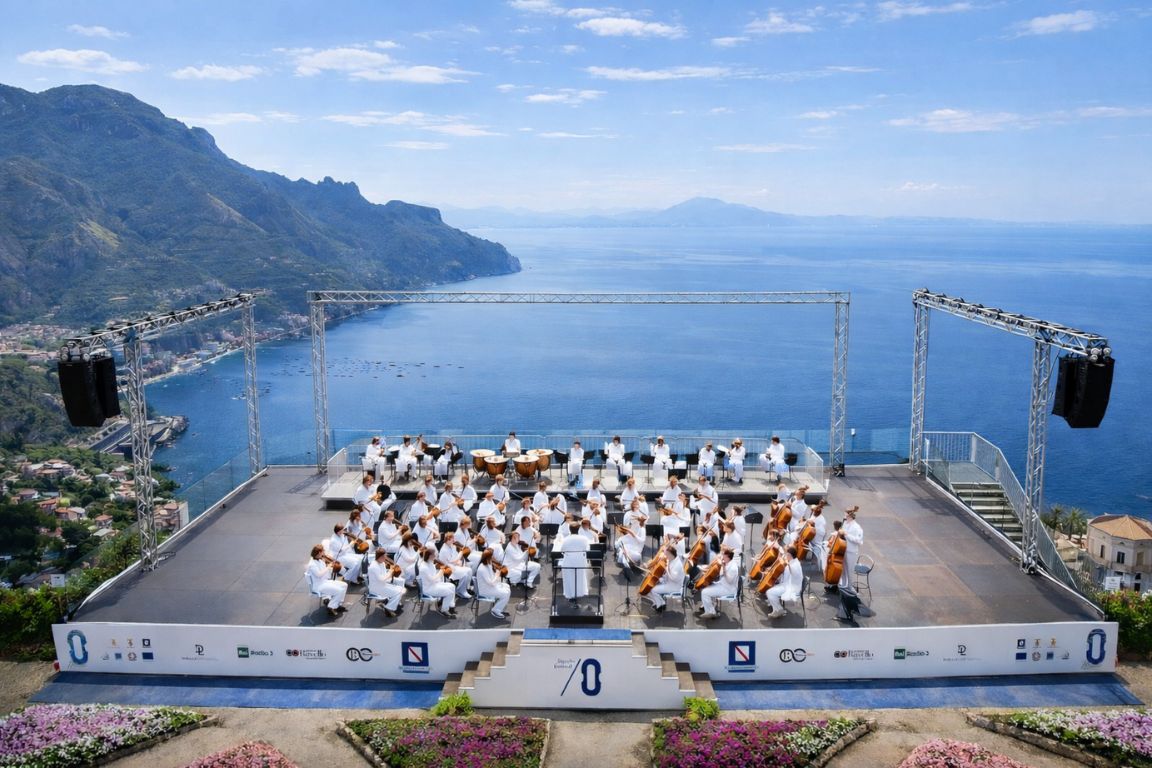
Attend evening Mass at local churches (free, insight into community religious life), visit weekly markets in Maiori, Minori, or Salerno (free entry, shop like locals), walk residential neighborhoods away from harbor areas (free, see actual Amalfi Coast life beyond tourism), join aperitivo at local bars frequented by residents rather than tourists (€8-12 but includes food), attend summer evening events and concerts in town piazzas (usually free, check local event boards), and shop at small ceramics workshops in Vietri sul Mare where artisans work rather than the tourist gallery shops (prices 30-50% lower, you watch creation process). The least expensive cultural experiences are often the most authentic because they’re designed for locals, not marketed to visitors.
Church services happen daily throughout the coast, and visitors are welcome at Mass. This isn’t tourism in the conventional sense, it’s participation in active community religious practice, but it provides genuine insight into local life that tour buses and restaurants never access. Sunday morning Mass in Amalfi’s Cathedral, Positano’s Santa Maria Assunta, or any of the smaller parish churches fills with local families, business owners, fishermen, and elderly residents who have attended the same church for decades.
The liturgy is in Italian, though the Catholic Mass follows a structure familiar to anyone who has attended Catholic services elsewhere. Even if you’re not religious or don’t speak Italian, the experience of sitting among a local congregation, hearing the priest reference community concerns and upcoming events, and observing how residents interact before and after Mass reveals more about actual Amalfi Coast life than any paid tour.
Services typically last 45-60 minutes. Dress modestly (covered shoulders, no shorts). Sit quietly if you choose not to participate in the liturgical elements. Stay for the entire service or slip out after communion if needed. The experience costs nothing and asks only respectful behavior.
Weekly markets operate as local shopping rather than tourist events. The Thursday market in Maiori stretches along the waterfront with vendors selling produce, cheese, fish, cured meats, olives, olive oil, wine, clothing, household goods, and miscellaneous items. Residents come to stock their kitchens for the week. Tourists can shop alongside them, paying the same prices.
Markets require some Italian language ability or willingness to point and gesture. Vendors at markets are less likely to speak English than shop owners in tourist zones. But pointing at tomatoes and holding up three fingers works universally. The quality of produce, cheese, and meats at markets often exceeds what tourist-area shops carry because vendors cater to local customers who know the difference.
The Minori Monday market is smaller but more local-focused. The Salerno daily market is enormous, functioning as the regional wholesale source where even Amalfi Coast restaurants source ingredients. Going to Salerno specifically for the market makes sense only if you’re already visiting Salerno for other reasons, but if you are, the market reveals the supply chains behind coastal restaurants and shops.
Walking residential neighborhoods means leaving the waterfront and tourist shopping streets. In Amalfi, walk up Via Capuano or Via Genova into the residential blocks where laundry hangs between buildings and elderly residents sit outside their doors. In Positano, climb the upper stairs beyond the main hotel areas. In Praiano, walk the streets parallel to the coast road rather than along it.
This costs nothing, requires only comfortable walking shoes and willingness to get slightly lost, and shows how locals actually live. You’ll see smaller groceries, hardware stores, barber shops, and the daily rhythm of a working town rather than a tourism zone. Kids play in small piazzas. Older men gather at cafés for espresso and conversation. Women tend small gardens on terraces. The scenes are ordinary, which makes them valuable as counterpoint to the Instagram-famous views that dominate coastal imagery.
Local bars distinguish themselves from tourist bars through location (one block inland rather than waterfront), clientele (locals in work clothes rather than tourists in resort wear), and pricing (€1.50 espresso rather than €5). These bars serve the same function as third spaces in any community: morning coffee stops, afternoon breaks, evening social gathering.
You’re welcome as a visitor, though you’ll stand out if you don’t speak Italian. Order at the bar, pay immediately (the Italian system), and take your drink to stand at the bar or sit if seats are available. The aperitivo at these bars costs €6-10 rather than €12-18 at tourist spots, and the free food buffer is aimed at local working people rather than tourists, meaning simpler but more substantial offerings.
Summer evening events in town piazzas happen frequently but require paying attention to local event calendars and boards. Classical concerts in Villa Rufolo’s gardens (Ravello Festival, June-September) are ticketed, but many smaller concerts and performances in town piazzas are free. Religious feast days bring processions, band performances, and outdoor celebrations. August 15 (Ferragosto, Assumption of Mary) sees celebrations throughout the coast.
These events are designed for locals first, tourists second. Announcing them in English on tourist websites or hotel notice boards happens inconsistently. Ask hotel staff about upcoming events, check municipal websites (many have Italian-only calendars), or simply walk through piazzas in the evening looking for stages being set up or chairs arranged.
Vietri sul Mare is known for ceramics. Visiting a workshop can let you see the maker’s work, but compare prices, materials and shipping rather than assuming a fixed discount from tourist shops.
Ask a workshop whether visitors can observe the work and browse pieces. Buying from a maker can add context; quality and price should be assessed for the actual item.
The bus from Amalfi to Vietri sul Mare costs €2-3, takes 30-40 minutes, and deposits you in a working town with less tourism infrastructure but more authentic character. Budget 2-3 hours to walk the town, visit workshops, and potentially shop for ceramics at source prices.
If you'd rather hand town-to-town planning to a driver-guide, the day trip from Sorrento to Positano, Amalfi and Ravello handles the routing so you are not transferring SITA buses between each stop.
Compare Activity Spending Choices
Compare activity styles by what they add to your week, rather than treating spending as a guarantee of a better trip:
A free-activity week can center on walks, public beaches and town exploration. Selective paid activities can add cooking instruction, interpretation or dedicated boat time. Private experiences can offer exclusive use and an agreed route. Choose the benefit you want, then compare the complete current cost.
Questions for your own activity budget:
If scenery and walking are your priorities, the Path of the Gods can be a major experience without a tour fee. Prepare for the route and include the approach and return transport.
One paid outing plus free town and beach days can be a useful balance. Choose that outing for what it adds to your trip rather than a claimed satisfaction score.
An expensive booking does not guarantee perfect weather or an ideal day. Compare the actual privacy, flexibility and services you are paying for.
Before upgrading a restaurant meal, sunset sailing or guided hike, decide which extra feature matters to you. A higher price is useful only if it buys something you want.
If Capri, cooking or a quieter village is important, reserve time for it in the itinerary. Do not add a booking solely to avoid a predicted regret.
Leave some unplanned time for local events, shops and slower walks. Check permissions and opening times if an activity involves private property or a working producer.
Have your travel day in mind? Match departure points and the time each experience takes before making separate activity bookings. Choose Your Amalfi Cooking Class Or Alternative
Frequently Asked Questions
What would you add to your independent day? Discover amalfi cooking class and coast cruise, with departure points and the time each experience takes laid out below. Discover Amalfi Cooking Class & Alternatives
Can you experience the Amalfi Coast well on a budget of €150-200 for activities for the week?
Use current quotes to see whether one paid activity and small admissions fit your allowance. The rest of the week can emphasize free walks, public beaches and town exploration; include transport as well as activity fees.
An activity allowance works only alongside food, accommodation and transport. Build the whole-trip budget first. Plan the rest of your budget
Is the Path of the Gods hike really free?
The trail itself costs nothing. No entrance fee, no permit, no booking required. You will spend €3-6 on SITA bus transport to reach the Bomerano trailhead from Amalfi (€2-3) and to return from Nocelle afterward (€1.50-3), making total transport costs €3.50-6 for the entire experience. Guided versions of this hike cost €50-80 per person, but the trail is well-marked and self-guided hiking works fine for anyone comfortable with basic trail navigation.
A self-guided walk needs route and transfer planning even when the trail has no tour fee. Check the hiking route
Are expensive activities on the Amalfi Coast worth the money?
Pay for a premium when its actual features matter to you, such as exclusive use, instruction or an agreed custom route. Compare current alternatives rather than assuming a fixed fraction of the experience or cost.
Put your preferred experience on the itinerary first. Compare amalfi cooking class and coast cruise to make room for the day you want. Choose Your Amalfi Cooking Class Or Alternative
What hidden-cost activities should I avoid?
Ask for the final total before booking. Check admission, landing charges, fuel, meals and equipment where applicable; inclusions differ by product, and a separate meal charge is not automatically a warning sign.
Curious how the alternatives differ? Explore amalfi cooking class and coast cruise through what each quote includes and the extras to add. Discover Amalfi Cooking Class & Alternatives
Is it worth paying for a guided Path of the Gods hike?
Only if you value historical and botanical context or want help with the logistics of reaching Bomerano and returning from Nocelle. Guided options vary. Check the exact meeting point, trail route and whether any transport is included; do not assume pickup from your town. The trail itself is straightforward to hike independently using a downloaded map or GPS app. Decide based on hiking experience, fitness, current trail conditions and navigation confidence. A guide is optional support and does not establish individual suitability.
Check your trail date before coordinating your separate return transport. Walk the Path of the Gods with an English-speaking guide and walking sticks on a 4.5-hour outing. Choose Your Path Of The Gods Date
Can I do the Amalfi Coast without any paid activities?
Absolutely. Hiking the Path of the Gods and other free trails, visiting public beaches, exploring churches and town streets, walking between nearby towns, and watching sunsets from viewpoints provides a week of meaningful experiences without spending anything beyond transport and food. You’ll miss the boat tour perspectives and island access to Capri, and you won’t get the educational content from cooking classes or guided experiences, but the core Amalfi Coast experience, the dramatic coastal scenery and cultural atmosphere, is entirely accessible for free.
Many of the coast’s defining experiences are walks, views and town streets. Set a paid-activity allowance based on the specific experiences you want and the current total for your party.
Questions before booking? Vincent and the team answer them daily. Start here.
Written by Vincent Moretti
Italian (Amalfi Coast) tour guide since 2012 · Founder, Italy Amalfi Coast Tours
Vincent has guided over 6,800 travelers along the Amalfi Coast and throughout southern Italy since founding the agency.
A free-activity trip is a valid choice. Use the itinerary to connect town walks, public beaches and rest days. Build a free-activity itinerary