Amalfi Coast Food Guide
Amalfi Coast food is about lemons, colatura, and fresh seafood. Skip tourist traps, eat lunch big, and find real flavor beyond Positano.
Choose one experience that teaches you how local food is made, and leave room for the simple meals described below. Choose Your Experience Below.
| Pasta Dishes | Scialatielli ai frutti di mare, spaghetti colatura di alici, pasta al limone | Everywhere; best in Cetara (colatura), Praiano, Amalfi |
| Seafood | Totani e patate, alici (anchovies), grilled fish, octopus salad | Cetara, Praiano, Marina di Praia, Maiori |
| Cheese | Provolone del Monaco DOP, fiordilatte mozzarella, caciocavallo | Agerola (mountain town above coast) |
| Desserts | Delizia al limone, lemon sorbet in lemon shell, sfogliatella, torta caprese | All towns; Minori famous for pastry |
| Drinks | Limoncello, Costa d’Amalfi DOC wines, local prosecco | Lemon producers, Ravello/Furore/Tramonti wineries |
Information verified February 25, 2026
Compare hands-on cooking in Amalfihands-on cooking in Amalfi with a tasting-focused farm visit in Sorrento. Check the actual menu, dietary arrangements and meeting point before booking; neither option is a substitute for every regional specialty.
What Foods Is The Amalfi Coast Actually Famous For?
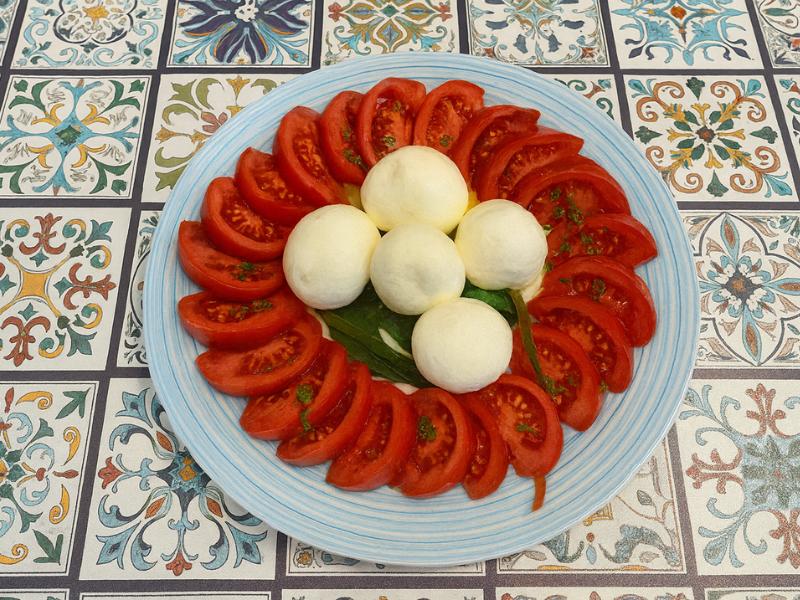
The Amalfi Coast built its culinary identity on sfusato amalfitano lemons, colatura di alici (fermented anchovy sauce descended from ancient Roman garum), and fresh seafood from the Tyrrhenian Sea, combined with mountain cheeses from Agerola and handmade pasta traditions. Unlike much of Italy where cuisine varies dramatically by region, Amalfi Coast dishes share a consistent profile: bright citrus notes, intense umami from anchovies, and fresh shellfish, all tied together by local olive oil and herbs. The signature dishes, scialatielli ai frutti di mare, spaghetti with colatura, pasta al limone, and delizia al limone dessert, appear on nearly every menu because they genuinely represent local tradition rather than tourist marketing.
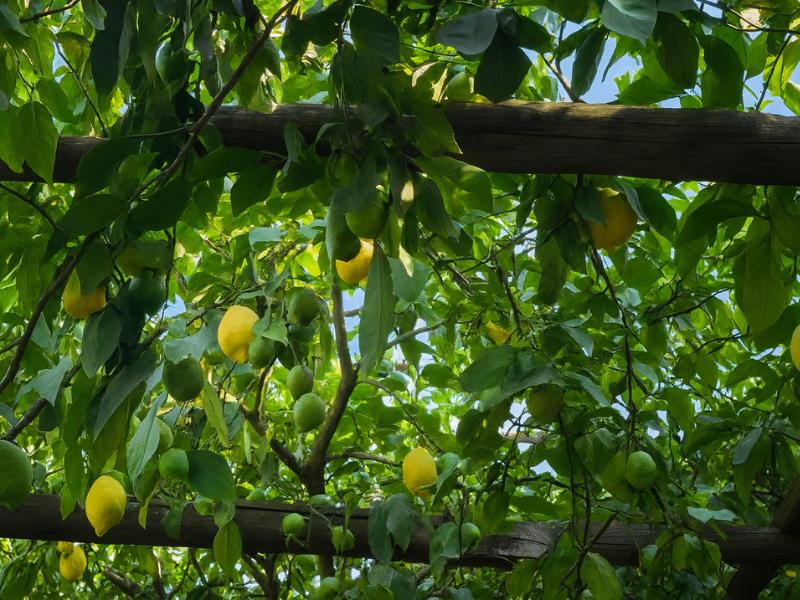
The sfusato amalfitano lemon dominates everything. This isn’t metaphor. Walk through any town and the scent hits you, lemon groves terraced up the mountains releasing their oils into the coastal air. The fruit itself grows larger than standard lemons, elongated (sfusato means “tapered”), with thick peel full of aromatic oils and flesh that’s sweeter, less acidic than what most people know as lemon flavor. The 2001 PGI (Protected Geographical Indication) designation protects the name and growing region, meaning real sfusato can only come from here.
Restaurants use them in everything from pasta sauces to fish dishes to desserts. The lemon pasta, pasta al limone, appears everywhere because it works. Fresh pasta tossed with lemon zest, juice, butter, cream or cheese (sometimes both), finished with black pepper and maybe basil. The dish balances sweet-sour-rich in a way that photographs terribly and tastes far better than it sounds. Order it once, understand why it’s ubiquitous.
Colatura di alici comes from Cetara, a small fishing village that’s been fermenting anchovies in salt for centuries. The process echoes ancient Roman garum: fresh anchovies layered with sea salt in wooden barrels, weighted down, left to ferment for 4-6 months. The liquid that drips out (colatura means “drippings”) is amber, intensely savory, and used as a condiment rather than ingredient. A tablespoon flavors an entire pasta dish.
Traditional spaghetti with colatura uses minimal ingredients Scialatielli: garlic, olive oil, parsley, the pasta itself boiled without salt (the colatura adds all the salt needed), and a few spoonfuls of colatura stirred in off-heat at the end. Some cooks add lemon zest, breadcrumbs, or chili. The result tastes like concentrated ocean, almost uncomfortably intense on first bite, then addictive. Cetara restaurants specialize in this, though you’ll find versions throughout the coast.
Scialatielli ai frutti di mare represents the coast’s handmade pasta tradition. Scialatielli are thick, short ribbon pasta, rougher texture than standard tagliatelle, made with milk and sometimes grated cheese in the dough. The frutti di mare (fruits of the sea) varies by what came in that morning, typically mussels, clams, shrimp, squid, sometimes scallops or other shellfish, cooked in white wine, tomato, garlic, and parsley. Every restaurant serves a version. Quality depends on seafood freshness and pasta texture, both of which vary dramatically.
The less obvious signature dishes tell more about actual coastal eating than the famous ones. Totani e patate (squid and potatoes) is fishermen’s food, squid stewed with potatoes, tomato, garlic until the potatoes absorb the seafood flavor and everything melds into comfort. Ndunderi, large ricotta-and-herb gnocchi from Minori, show up on traditional restaurant menus, usually with tomato sauce or butter and sage. Alici fritte, fried anchovies, appear as appetizers or street food, the whole fish lightly battered and fried until you eat bones and all.
Delizia al limone, the coast’s signature dessert, layers sponge cake soaked in limoncello syrup with lemon cream (made from eggs, sugar, lemon juice and zest), covered in more lemon cream. It’s rich, intensely lemony, and better shared. Every pastry shop makes their version. The lemon sorbet served inside a hollowed lemon shell costs €7-10, tastes exactly like you imagine, and works as Instagram content that actually delivers the promised experience.
Two coastal sweets with a documented birthday (and one pasta)
Three of the dishes on this coast can actually be dated, which is rare for regional Italian cooking and useful if you want to eat them where they belong. The sfogliatella Santa Rosa was born at the Santa Rosa monastery above Conca dei Marini, traditionally dated to 1681, when a nun in the convent kitchen improvised with a surplus of semolina. The recipe stayed behind the monastery walls for well over a century. Only around 1818 did it reach the Neapolitan pastry chef Pasquale Pintauro, who reworked it into the curled, fan-shaped sfogliatella now sold across Naples. Conca dei Marini still celebrates the coastal original with its own pastry event each summer, and it is the one sweet on this list you will not find done properly outside this stretch of coast.
The delizia al limone is far more recent than most menus imply. The Sorrento pastry chef Carmine Marzuillo created it in 1978, first calling it a sospiro al limone, and took a gold medal for it at the national chefs’ conference that year. It spread across Campania from there and then well beyond, which is why you now meet versions of it in towns with no lemon groves at all. And scialatielli, which everyone treats as ancient, was devised by the Amalfi chef Enrico Cosentino and won a prize at an international culinary competition in 1978. Two 1978 inventions and a seventeenth-century convent accident: the coast’s signature sweets and its signature pasta are younger, and better documented, than the menus suggest.
Use the pastry origins to choose a town stop; do not assume a general cooking class teaches these specific sweets. Plan a food-focused town visit
Where Should You Eat To Avoid Tourist Traps And Find Real Quality?
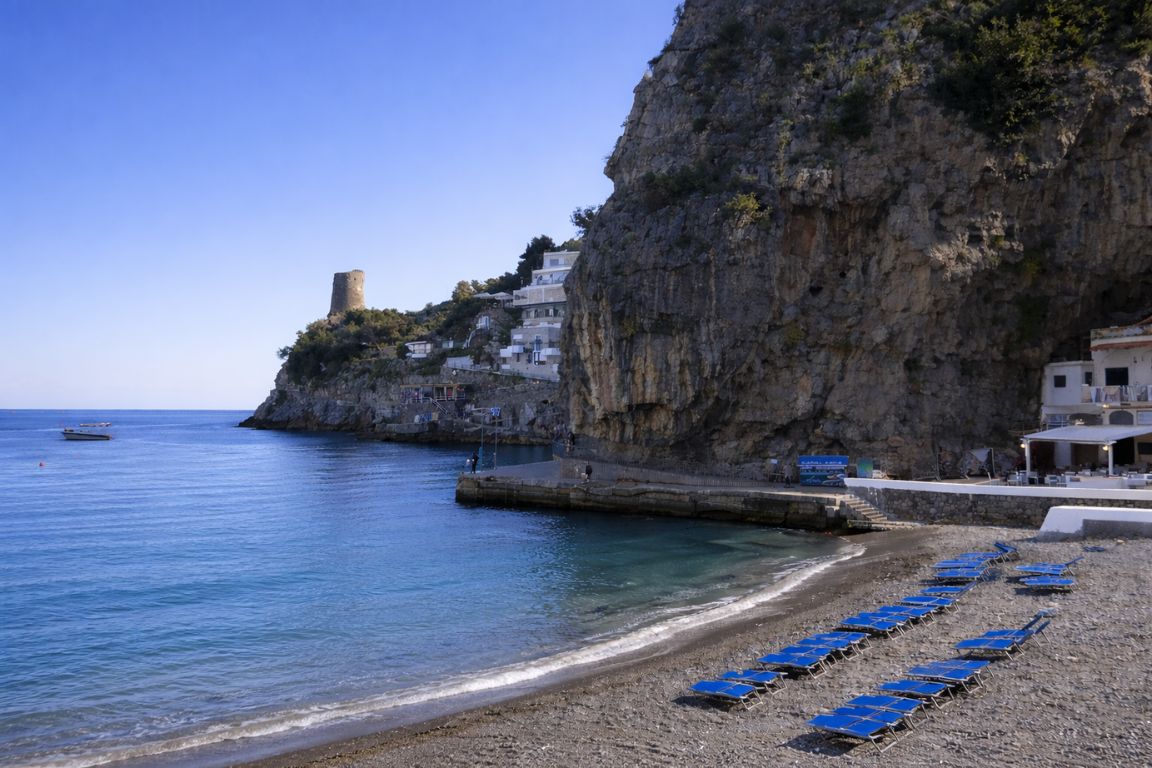
Avoid restaurants with staff standing outside soliciting customers, establishments directly on Positano’s main beach or Amalfi’s cathedral square (unless specifically researched), and anywhere displaying the same generic menu you’ve seen five times already. Quality concentrates in Praiano (particularly Trattoria da Armandino at Marina di Praia and Da Kasai in the upper town), Cetara for anything anchovy-related, Maiori and Minori for local spots with normal pricing, Atrani for intimate neighborhood trattorias, and inland Tramonti for authentic pizza and rustic mountain cooking. The rule holds: walk five minutes from tourist centers, look for Italian families eating, check if the menu includes dishes specific to that particular town rather than generic “Amalfi Coast cuisine.”
Tourist traps aren’t mysterious. They announce themselves clearly: touts outside trying to fill tables, photo menus with every dish available in 47 languages, locations with maximum foot traffic and minimum local presence. The restaurants directly facing Positano’s main beach charge €25-40 for pasta dishes that cost €18-22 three streets up the hill. You’re paying for the view and the chair, not the food quality. Sometimes that’s worth it, but know what you’re buying.
Amalfi’s Piazza Duomo suffers similar inflation. The cathedral steps create theater, restaurants around the square understand their role as stage seating. The food won’t be terrible, it’s just generic and overpriced. A €35 seafood pasta there becomes €22 at a place two blocks inland with better ingredients because they’re cooking for locals who’ll return next week.
Praiano solves the Positano problem. Twenty minutes east on the coast road, dramatically less crowded, prices drop 30% while quality holds or improves. Trattoria da Armandino occupies the Marina di Praia beach inlet, a tiny cove between rock walls with tables practically in the water. The owner Armandino and his family serve what came in that morning: grilled fish, seafood pasta, octopus salad, marinated anchovies. Portions are generous, prices fair (€18-28 for pasta, €25-40 for grilled fish), and the setting delivers the coastal dining experience without the Positano premium.
Da Kasai, in Praiano’s upper section, operates differently. It’s a bistro rather than beachside trattoria, mixing traditional Praiano recipes with more refined techniques. The menu changes based on market availability. The terrace overlooks the Gulf of Amalfi. Prices run slightly higher (€22-32 for pasta, €35-50 for mains) but the cooking justifies it. Book ahead in summer.
Cetara demands a visit if anchovies interest you at all. The entire town economy runs on anchovy fishing and processing. Restaurants there know you came for colatura and alici, so they do them properly. Al Convento and Casa Torrente represent the anchovy tradition, both family-run, both serving spaghetti with colatura that defines the dish. Expect to pay €18-25 for the pasta, but you’re eating the signature dish in its hometown from cooks whose families have made it for generations.
Maiori and Minori operate as working towns with tourism as addition rather than foundation. Restaurants there serve local families and second-home residents, meaning the quality-price ratio stays honest. In Maiori, look for restaurants along the side streets off the main beachfront. In Minori, the town’s famous for pastry (particularly delizia al limone), so pastry shops matter more than restaurants, though several good trattorias line the small harbor.
Atrani, Amalfi’s tiny neighbor, packs several excellent spots into its compact piazza and side streets. The town sees far less tourist traffic despite being a 5-minute walk from Amalfi center, so restaurants maintain local character. Le Palme, A’Paranza, and others around Atrani’s piazza serve quality coastal cooking without tourist-trap pricing or atmosphere.
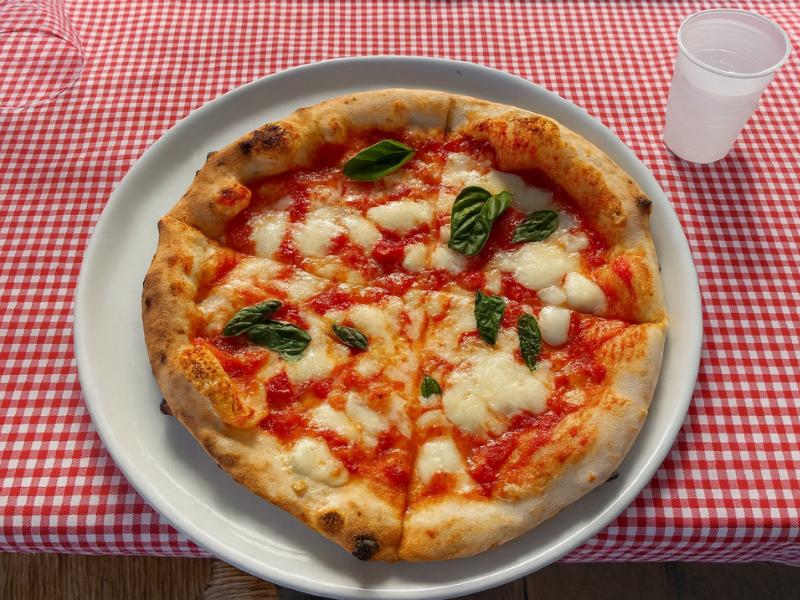
Tramonti, inland up the mountain from Maiori, built its reputation on pizza. Tramonti pizza uses whole-wheat flour dough, bakes at lower temperature than Neapolitan pizza, and tops with local ingredients: fiordilatte from Agerola, olive oil from Salerno hills, Corbarino tomatoes. It’s different from Naples pizza, lighter crust, more focus on topping quality. Several pizzerias in town (Osteria Reale, others) serve both pizza and more traditional mountain dishes, pork-based rather than seafood, showing the agricultural side of coastal cuisine.
The identification markers for quality restaurants: menus that change with market availability rather than offering everything always, waitstaff who can discuss which fish came in today and recommend based on that, Italian families dining (especially on Sunday lunch), and specific local dishes rather than generic coastal cuisine. If the restaurant serves both pizza and sushi, skip it. If they’re pushing limoncello shots before you’ve ordered, skip it. If three other restaurants within view have identical menus, skip them all and walk further.
Before you book, you might want to know is the Amalfi Coast safe for tourists – especially if you’ve heard stories about the dangerous coastal roads or pickpockets in peak season.
Keep Cetara or Minori on your independent food route if those specific specialties matter most. Compare towns for your food route
What Do The Best Amalfi Coast Dishes Actually Taste Like?
Scialatielli ai frutti di mare delivers al dente handmade pasta with rough texture that catches the seafood sauce, mixed shellfish releasing their ocean brine into white wine and tomato, finished with garlic, parsley, and chili if you ask. Spaghetti with colatura tastes intensely, almost aggressively savory, the anchovy fermentation creating umami that coats your mouth, balanced by lemon zest and good olive oil if the cook knows what they’re doing. Pasta al limone combines sweet-tart lemon with rich cream and butter, black pepper cutting the richness, fresh basil adding green notes. These dishes work because each component serves function: the pasta texture holds sauce, the lemon brightens seafood, the colatura concentrates flavor that fresh anchovies can’t match.
Scialatielli ai frutti di mare depends entirely on the shellfish and the pasta. Good versions use pasta made that day or the day before, still retaining the rough texture from being rolled by hand rather than extruded. The sauce builds from shellfish cooking in olive oil with garlic, then white wine added to deglaze, then cherry tomatoes (sometimes), all of it reducing until the shellfish open and release their liquid into the pan. The pasta goes in, absorbs sauce, gets tossed with parsley and maybe a touch of chili.
What you taste first is sweetness from the shellfish, then the wine’s acidity, then the building complexity as different seafood flavors layer. Mussels taste different from clams taste different from shrimp taste different from squid, and good versions let you distinguish each while they work together. Bad versions taste like generic seafood in generic tomato sauce. The difference is freshness of ingredients and restraint in seasoning, letting the ocean flavor come through rather than burying it.
Spaghetti with colatura divides people. The first taste can feel overwhelming, too salty, too fishy, too intense. Then your palate adjusts and you start tasting the depth, the fermentation creating flavors that don’t exist in fresh fish. It’s umami in concentrated form, the way aged cheese or cured meat or soy sauce operate. The lemon zest many cooks add isn’t decoration, it provides acid that cuts the intensity and reminds your tongue this is Mediterranean rather than Southeast Asian.
The pasta must be cooked without salt, critical detail home cooks miss. The colatura adds all the salt needed. Too much and the dish becomes inedible. Proper versions use a light hand, building layers: garlic and olive oil, the drained pasta, the colatura stirred through off-heat, maybe breadcrumbs toasted separately for texture, lemon zest and parsley to finish. You should taste anchovy but not feel like you’re eating straight fish sauce.
Pasta al limone works on contrast. The lemon juice and zest provide acid and aromatics, the butter and cream (or just butter, or just cream, depending on the recipe) provide fat and richness, the pasta provides neutral starch that carries both. Black pepper and sometimes basil add complexity. What you taste is brightness first, the lemon hitting your palate immediately, then the cream smoothing it, then the gradual realization that the dish isn’t as simple as it appeared.
Bad versions taste like lemon-flavored cream sauce, the lemon becoming a flavor additive rather than structural component. Good versions balance acid and fat precisely, the lemon strong enough to taste “lemon” rather than “vaguely citrus” but not so strong it curdles the cream or overwhelms the palate. The sfusato lemons’ lower acidity helps, they can carry more lemon flavor without excessive sourness.
Totani e patate, squid and potatoes, seems humble until you taste the way flavors meld. The squid releases liquid as it cooks, that liquid flavors the tomato sauce, the potatoes absorb both squid essence and tomato, everything softens into stew consistency. It tastes like comfort food with ocean notes, the kind of dish fishermen’s wives made when squid was cheap and plentiful. Modern restaurant versions sometimes overcomplicate it, but traditional preparations stay simple: squid, potatoes, tomato, garlic, parsley, olive oil, time.
Delizia al limone delivers exactly what the name promises: lemon pleasure. The cake itself is basic sponge, chosen for texture rather than flavor, serving as structure to hold limoncello syrup and lemon cream. The syrup soaks into the cake, adding alcohol and intense lemon, the cream coating provides richness and additional lemon flavor from fresh zest and juice in the custard. Each bite combines sponge, syrup, cream into a coherent experience rather than separate components.
You taste butter from the cake, alcohol from the limoncello, eggs and sugar from the cream, and unifying it all, lemon in multiple forms: zest providing aromatic oils, juice providing acid, limoncello providing concentrated flavor. It’s rich enough that sharing makes sense, lemony enough that it wakes up your palate rather than deadening it like heavy chocolate desserts can.
How Much Should You Expect To Pay For Meals On The Amalfi Coast?
Casual meals (pizza, simple pasta, panini) run €15-30 per person including a drink. Mid-range sit-down restaurants cost €50-80 per person for two courses, wine, and cover charge. Destination restaurants with views or Michelin recognition charge €100-200+ per person. Lunch menus offer the same dishes as dinner at 20-30% lower prices, making lunch the smart time for your main meal. Street food (pizza fritta, cuoppo, panini from delis) costs €3-10. A quality dinner in Praiano or Minori costs roughly half what the same meal runs in Positano for equivalent quality. Cover charges (*coperto*) of €2-5 per person are standard and non-negotiable.
| Street Food | €3-10 | Pizza fritta, cuoppo, panini from deli |
| Casual Pizzeria | €15-25 | Pizza + drink |
| Trattoria Lunch | €25-40 | Pasta + side + drink |
| Mid-Range Dinner | €50-80 | Appetizer + pasta/fish + wine + coperto |
| Destination Restaurant | €100-150 | Multi-course meal with view or reputation |
| Michelin/Tasting Menu | €150-250+ | Tasting menu, wine pairing optional extra |
Prices verified February 25, 2026
The pricing spreads widely based on location and ambiance more than food quality. A seafood pasta costs €18-22 in Praiano, €25-32 in Amalfi town center, €35-45 in Positano beachfront locations. The pasta might be identical or better in Praiano, you’re paying for postal code and view in Positano.
Lunch provides significant savings. The same restaurant serving €28 pasta at dinner charges €18-22 at lunch. Grilled fish drops from €40 to €28-32. It’s the same kitchen, same ingredients, same chef. The difference is Italian dining culture expects more at dinner, so restaurants price accordingly. Make lunch your main meal, have light dinners of pizza or deli picnics, and stretch your budget meaningfully.
Cover charges appear on every restaurant bill as *coperto*, typically €2-5 per person. This covers bread, table service, and place settings. It’s standard across Italy, not a tourist trap though visitors often perceive it that way. Some expensive restaurants charge €5-6 per person, which feels aggressive, but it’s disclosed on menus (usually in small print). Budget for it.
Wine pricing varies from reasonable to absurd. House wine by the carafe costs €8-15 for a half-liter, usually drinkable local production. Bottled wines start around €18-25 for decent quality, climb to €40-80 for better selections, and spike into hundreds for aged or prestigious labels. Ask for house wine if you just want something cold and white with seafood, spring for a bottle if wine matters to you.
The budget strategy: breakfast at your hotel (often included), build picnic lunch from deli (€8-15 for excellent ingredients), then spend on one quality dinner (€50-80 per person in a good restaurant). This approach costs €60-95 daily for food, delivers better eating than three mediocre restaurant meals at €100+ total, and lets you allocate money where it creates the best experience.
Curious about the price tag? Here’s the honest answer to is the Amalfi Coast expensive – including what drives costs up and where you can find some relief.
What would you add to your independent day? Discover amalfi cooking class and sorrento farm visit, with departure points and the time each experience takes laid out below. Discover Amalfi Cooking Class & Alternatives
Which Local Ingredients Should You Try (And Where To Find Them)?
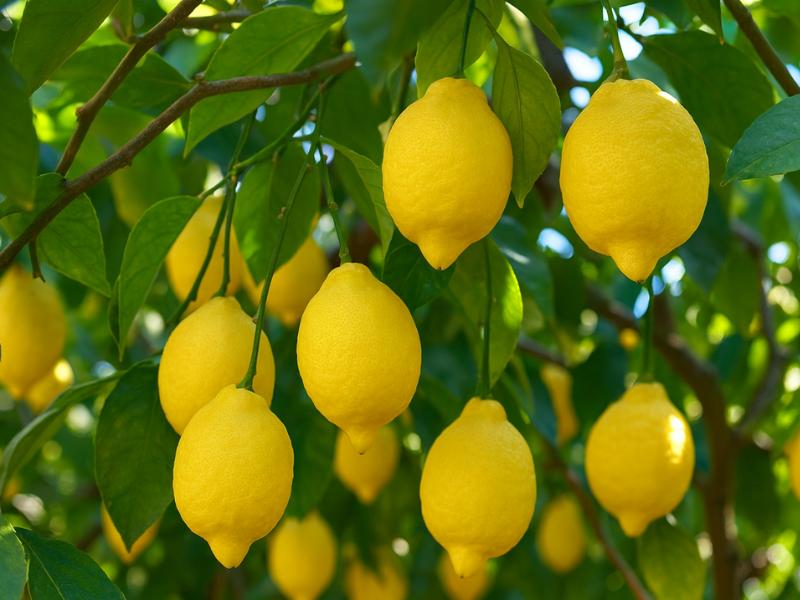
Sfusato amalfitano lemons grow everywhere along the coast in terraced groves; buy them at markets or directly from grove owners who sell from roadside stands, check destination plant-import rules before taking fresh fruit home. Colatura di alici sells in small bottles at specialty shops throughout Cetara and other towns (€12-25 for quality producers, avoid tourist-shop versions at €30+). Provolone del Monaco DOP from Agerola appears at cheese shops and delis, aged versions develop sharp, complex flavor worth the €18-25/kg price. Fiordilatte mozzarella (cow’s milk, not buffalo) from mountain dairies arrives at markets and delis each morning, consume within 24 hours. Costa d’Amalfi DOC wines, particularly whites from Ravello and Furore, deserve attention despite limited production and distribution.
The sfusato lemons are everywhere because the coast is essentially one massive lemon grove interrupted by towns and beaches. The terracing system channels water, creates microclimates, and allows cultivation on slopes that shouldn’t support agriculture. The result is lemons growing from sea level to 500 meters elevation, their oils intensifying the higher they grow.
Buy them at weekly markets (Maiori Thursday morning, Minori Monday morning) for €2-4 per kilo, roughly half what tourist shops charge. Or stop at the small stands along mountain roads where grove owners sell directly, often €1.50-2/kg if you buy a few kilos. They travel well, the thick peel protecting the fruit, and make limoncello at home far superior to anything sold commercially.
Colatura di alici divides into tourist-shop bottles and actual quality producers. The difference is dramatic. Tourist shops sell colatura in decorative ceramic bottles for €25-35 containing product that may or may not be genuine Cetara production. Quality producers sell in simple glass bottles for €12-18 (for 100ml, all you need), clearly labeled with producer name and DOP certification if applicable. Look for names like Nettuno, Delfino, or ask in Cetara for recommendations.
One small bottle lasts months, used a teaspoon at a time. It flavors pasta, brushes on grilled fish or vegetables, adds depth to salad dressings. Think of it like Asian fish sauce except Mediterranean, with regional variations in intensity and flavor based on production methods.
Provolone del Monaco comes from the Lattari Mountains above the coast, specifically from the Monti Lattari range that supplies several valleys. The cows graze mountain pastures, eating wild grasses and herbs, creating milk with distinctive flavor. The cheese itself is semi-hard, stretched-curd (*pasta filata*) like mozzarella but aged, developing sharp, slightly spicy character over 4-12 months.
Find it at cheese shops and delis in Agerola, Amalfi, and larger towns. Aged versions cost €18-25/kg, worth it if you appreciate hard cheeses. The DOP designation guarantees production area and methods. Bring some home (it travels fine, vacuum-sealed), use it grated over pasta or eaten alone with local wine.
Fiordilatte mozzarella needs eating immediately, unlike the vacuum-packed versions that survive shipping. It’s cow’s-milk mozzarella, softer and more delicate than buffalo mozzarella, traditional to this region. Markets and delis receive it fresh each morning from mountain producers, selling it floating in its liquid or wrapped in wax paper. Buy it morning, eat it by evening, experiencing what mozzarella tastes like when it hasn’t been aged for distribution.
The flavor is mild, milky, slightly sweet, with texture that’s simultaneously firm and creamy. Eat it plain with tomatoes and basil, or on pizza, or in caprese salad. It costs €4-8 per portion depending on size and quality. This isn’t an ingredient you take home, it’s an ingredient you eat here.
Costa d’Amalfi DOC wines come from steep vineyards that make mechanical harvesting impossible, everything picked by hand from vines planted on terraces. The whites dominate, made primarily from Falanghina, Biancolella, and Pepella grapes. Production is tiny, most wines never leave Campania, making them genuinely local.
Ravello, Furore, and Tramonti produce most of the wine. Look for labels from Marisa Cuomo (Furore), Sammarco (Ravello), and Tramonti producers. The whites taste crisp, mineral-driven, with stone fruit and citrus notes that pair obviously with seafood. Reds exist but are less interesting, the whites capture local character better.
Buy directly from wineries if possible (Marisa Cuomo offers tastings, others may require calling ahead), or from wine shops in larger towns. Bottles cost €15-30, occasionally higher for reserve bottlings. These don’t export meaningfully, so drinking them here makes sense.
What Food Experiences Are Worth The Money Vs. Overhyped?
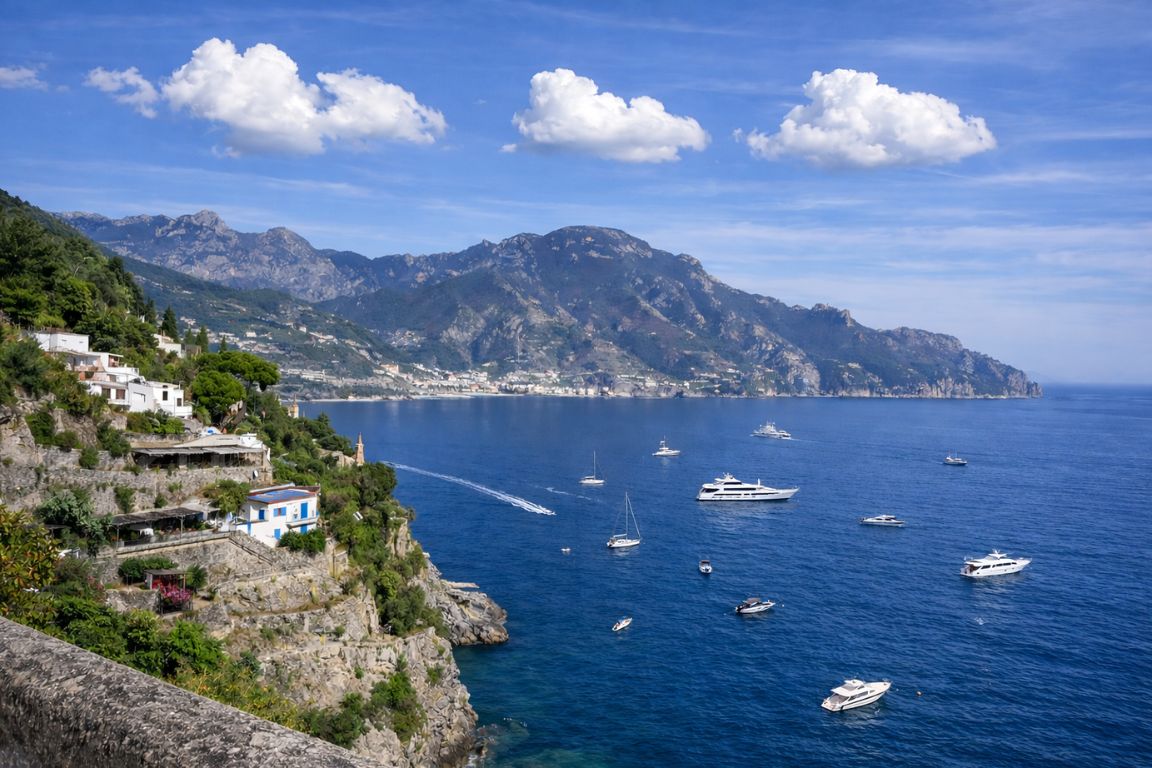
Worth paying for: cooking classes that include market shopping and teach actual technique (€80-120), wine tastings at small producers with vineyard tours (€25-50), lemon grove tours with limoncello tasting (€20-35), and meals at traditional trattorias where locals eat even if ambiance is simple. Overhyped: expensive restaurants selling views rather than food, tourist-focused limoncello tastings in shops (free samples accomplish the same), “authentic Amalfi cooking” classes that just assemble pre-prepped ingredients, and any food tour that visits only shops with commission arrangements. The pattern: pay for education, skill, and genuine ingredients; skip experiences designed primarily for photography and social media validation.
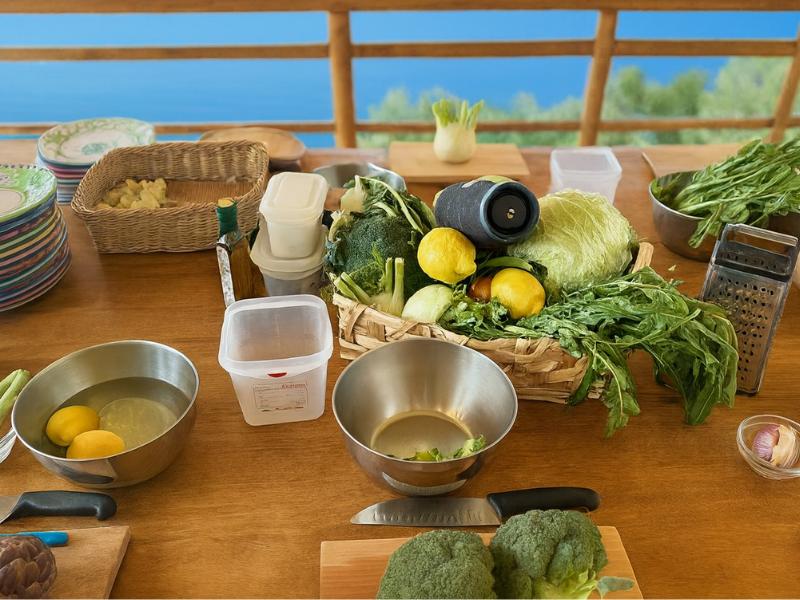
Cooking classes vary enormously in quality. Good ones start with market shopping, teaching you to select ingredients, then move to hands-on cooking where you actually perform technique rather than watching demonstration, then finish with eating what you made alongside wine. These cost €80-120 per person for 3-4 hours, deliver skills you use at home, and include a substantial meal.
Bad cooking classes pre-prep everything, have you “assemble” rather than cook, last 90 minutes, and charge €100+ for what amounts to dinner theater. Ask before booking: do we shop at market? Who does the actual cooking? What techniques do we learn? If answers are vague or “we provide all ingredients pre-measured,” skip it.
Wine tastings at small producers like Marisa Cuomo in Furore or estates in Ravello and Tramonti offer vineyard walks, explanation of production methods, tasting of 4-6 wines with local food pairings, all for €25-50. You learn about local viticulture, taste wines unavailable elsewhere, and often can buy bottles at source prices. The experience takes 90 minutes to 2 hours, teaches you something, and usually includes enough food to qualify as light lunch.
Tourist-shop limoncello tastings, by contrast, offer free samples of 3-4 limoncello variations while hoping you buy overpriced bottles. This costs nothing but wastes time. If you want to understand limoncello production, find a lemon grove offering proper tours (several exist around Amalfi and Maiori), where you see the groves, learn cultivation methods, taste limoncello made from those specific lemons, and potentially buy quality product. These cost €20-35, take 60-90 minutes, and feel substantive rather than sales-focused.
Expensive restaurants present a judgment call. Some deliver exceptional cooking that justifies €100-150 per person. Others charge that much because of clifftop locations and Instagram appeal while serving food no better than the €50-80 trattoria down the road. Research beforehand: read reviews focusing on food quality not view quality, check if Michelin or Gambero Rosso have evaluated them, ask locals or hotel staff who actually eat at restaurants rather than just recommending tourist spots.
Food tours depend entirely on the guide and routing. Good ones run by local guides visit producers and markets, explain regional food culture, introduce you to shopkeepers they know personally, and skip commission-paying tourist shops. Bad ones are disguised sales walks hitting shops that pay referral fees, with minimal education and maximum purchasing pressure. Ask who organizes the tour, what their local credentials are, and whether any shops pay commission. Honest answers indicate honest tours.
| Experience | Worth the Money (€ range) | Why It’s Worth It | Overhyped / Skip It | Why It’s Overhyped |
|---|---|---|---|---|
| Cooking Classes | €80-120 (3-4 hours) | Market shopping + hands-on technique + eat what you make + take home real skills | “Assembly” classes with pre-prepped ingredients (€80-120+, often 90 min) | Dinner theater, no real cooking or learning, overpriced for what’s delivered |
| Wine Tastings | €25-50 (90 min-2 hours) | Small producers, vineyard walks, production explanation, 4-6 wines + local food | Tourist-shop tastings (often free samples) | Sales-focused, no education, same overpriced bottles available elsewhere |
| Limoncello / Lemon Experiences | €20-35 (60-90 min) | Lemon grove tours, see cultivation, taste authentic product from those lemons | Free shop tastings + pushy sales | Wastes time, no substance, just marketing for expensive bottles |
| Restaurants | Varies (€50-150/person) | Exceptional food quality (check food-focused reviews, Michelin/Gambero Rosso) | Clifftop/view-heavy spots charging premium for location | Food often average, price inflated by Instagram appeal rather than cooking |
| Food Tours | Varies (depends on operator) | Local guides, real producers/markets, personal connections, cultural education | Commission-based shop routes with heavy sales pressure | Disguised shopping trip, minimal learning, prioritizes referrals over experience |
What could you learn to make on the Amalfi Coast? Discover the hands-on menus, then taste the local dishes you make in the class. Discover The Amalfi Cooking Menus
How Can You Eat Well On The Amalfi Coast On A Budget?
Shop at delis (salumerie) for picnic ingredients: fresh mozzarella, local salami, tomatoes, and bread cost €8-15 total and make excellent lunches on beaches or scenic overlooks. Visit weekly markets in Maiori (Thursday) and Minori (Monday) for produce, cheese, and cured meats at half tourist-area prices. Order pizza fritta (€3-5) or cuoppo fried seafood (€5-10) from street vendors rather than sitting for restaurant meals. Make lunch your main restaurant meal when prices drop 20-30% from dinner menus. Use aperitivo culture (€8-12 for a drink with free food buffet between 6-8 PM) as light dinner. Cook occasional meals if your accommodation has a kitchen, using market ingredients that cost a fraction of restaurant prices.
The deli strategy saves massive money. Every town has salumerie selling sliced meats, cheeses, prepared foods (marinated vegetables, olives, sun-dried tomatoes), and bread. Point at what you want, they portion it, you walk out with ingredients for a feast costing €10-15 that would cost €40-60 as a restaurant meal. Find a scenic spot, enjoy better views than most restaurants offer, and pocket the savings.
Markets operate weekly in most towns. Maiori’s Thursday morning market is largest and best-stocked, with produce, cheese, fish, cured meats, olive oil, wine, and miscellaneous goods. Prices run 30-50% below shops because you’re buying directly from producers or wholesalers. A kilo of local tomatoes costs €2-3, fresh mozzarella €4-6, cured meats €12-18/kg, bread €2-3. Stock up, refrigerate what needs it, build multiple meals from one market visit.
Pizza fritta appears at some bakeries and street vendors, particularly in Amalfi and Maiori. It’s fried pizza dough filled with ricotta, salami, or other ingredients, served hot for €3-5. One large fritta serves as lunch. Cuoppo, fried seafood in a paper cone, costs €5-10 and works similarly. Neither are fancy, both are delicious, both cost 80% less than sitting for restaurant seafood.
Aperitivo between 6-8 PM turns a drink into a meal. Many bars offer free buffet with drink purchase (€8-12 for spritz, prosecco, or cocktail). The buffet quality varies, but typically includes olives, cheese, small sandwiches, bruschetta, sometimes pasta or rice salad. Order a drink, take a plate of food, and you’ve had a light dinner for €8-12. Do this twice, have two drinks over 90 minutes, and you’re fed for €16-24.
Cooking in your accommodation makes sense if you’re staying a week. Markets provide excellent ingredients at normal prices. Pasta, sauce ingredients, cheese, and produce cost €15-20 for a meal that would cost €50-80 in a restaurant. Not every meal needs cooking yourself, but doing it 2-3 times across a week saves €100-150 while introducing you to local ingredients.
If you’re working with limited funds, here are budget activities on Italy Amalfi Coast tours that let you see the highlights without paying for every overpriced boat tour and clifftop restaurant.
| Strategy | Typical Cost | What You Get | Best For | Savings Tip |
|---|---|---|---|---|
| Deli (salumeria) picnic | €8-15 per person | Sliced meats, cheeses, marinated veggies, bread, olives | Beach or viewpoint lunches | Equals a €40-60 restaurant meal |
| Weekly market shopping | €10-25 for several meals | Fresh produce, mozzarella, cured meats, bread | Multiple meals from one visit | 30-50% cheaper than regular shops |
| Pizza fritta | €3-5 | Large fried stuffed pizza | Quick, filling lunch | Hot, local, and very affordable |
| Cuoppo (fried seafood) | €5-10 | Mixed fried seafood in a paper cone | Casual seafood lunch | 80% less than sit-down seafood |
| Aperitivo (6-8 PM) | €8-12 per drink | Drink + unlimited buffet (olives, cheese, bruschetta, etc.) | Light dinner or snack | One drink often fills you up |
| Cooking in accommodation | €15-20 per meal | Pasta, sauce, cheese, vegetables from market | 2-3 dinners per week | Saves €100-150 over a week vs restaurants |
Keep deli picnics and markets as the affordable default and choose a paid class only if it fits the budget. Keep the rest of the day affordable
What Should You Bring Home (And What’S Actually Worth Buying)?
Worth buying: colatura di alici from quality producers in Cetara (€12-18 for 100ml), limoncello from small producers not tourist shops (€15-25/liter for quality), dried pasta from Gragnano (€3-8/package), local olive oil from Salerno hills (€10-18/liter), and vacuum-sealed provolone del Monaco (€18-25/kg). Skip: decorative limoncello bottles at €30-40, “handmade” ceramics mass-produced elsewhere, pre-made limoncello cream that’s basically Bailey’s with lemon, and anything in airport shops that costs double what it costs in towns. Buy ingredients that improve your cooking at home, not decorative items that gather dust.
Colatura di alici transforms pasta dishes, salad dressings, and grilled vegetables with a tablespoon of intense umami. One 100ml bottle lasts months, costs €12-18 from quality Cetara producers, and can’t be approximated with other ingredients. Buy 2-3 bottles, give some as gifts to cooks who’ll appreciate them, use one yourself. Look for DOP certification, glass bottles rather than ceramic, and producer names Cetara residents recognize.
Limoncello quality varies wildly. Tourist shops sell decorative bottles for €30-40 containing industrial limoncello that tastes like lemon-scented vodka. Small producers and lemon grove owners sell better product in simple bottles for €15-25/liter. The difference is dramatic: real limoncello tastes like concentrated lemon oil with balanced sweetness, smooth enough to drink cold without grimacing. Mass-market versions taste harsh and artificial.
Buy from producers if possible (lemon groves often sell their own), or from shops that stock local artisan production rather than tourist brands. Ask which brand they drink themselves, often revealing honest preferences. Bring a bottle or two, store in the freezer, serve as digestif after meals.
Dried pasta from Gragnano, the pasta-making town near the coast, costs €3-8 per package and represents genuine quality difference from supermarket pasta. The bronze-die extrusion creates rough surface that holds sauce better, the slow drying develops better flavor and texture. Buy several packages of different shapes (spaghetti, scialatielli, paccheri), use them at home with quality ingredients, notice the difference.
Local olive oil from Salerno hills (DOP Colline Salernitane) costs €10-18/liter at markets or directly from producers, delivers fruity, slightly peppery character that suits seafood and vegetables. Buy a bottle, use it as finishing oil on dishes where you want the olive flavor to shine. It’s not cooking oil, it’s flavoring oil, used the last minute to add character.
Vacuum-sealed provolone del Monaco travels home successfully, develops more flavor over the journey, and provides months of use grated over pasta or eaten with wine. Before buying cheese to take home, check the import rules at your destination and the product’s storage needs. Vacuum packing does not establish permission to import it.
Skip the ceramics unless you genuinely love a specific piece. Most are mass-produced or semi-industrial, marked up heavily in tourist shops, and available cheaper in Vietri sul Mare where they’re actually made. If you want ceramics, go to Vietri, visit workshops where artisans work, buy directly. Otherwise skip.
Skip limoncello cream, chocolate-covered lemon peels, and other derivative products designed for tourists who think they want lemon flavor but actually want familiar sweets. These cost more than they’re worth and don’t represent actual local eating.
Airport shops charge double what the same products cost in towns, relying on last-minute desperation purchases. Buy what you want before reaching the airport. If you forgot, you forgot. Don’t pay premium prices for convenience that isn’t worth it.
Check destination import rules before packing food, cheese or fruit; a producer tasting helps you choose, not clear customs. Plan edible souvenirs
Which Food Experiences Fit Your Priorities?
Use these editorial comparisons to choose the food experience that fits you; they are not proprietary survey results.
| Experience | What can make it worthwhile |
|---|---|
| Simple meals | Choose dishes and ingredients you enjoy without paying for a view you do not need. |
| Cooking class | Check the menu and amount of hands-on teaching. |
| Colatura tasting | Try the flavor before choosing a bottle to take home. |
| View restaurant | Compare the menu and full price with how much the setting matters to you. |
| Local market | Check opening days and buy only food you can store and use. |
The most consistent regret: expensive dinners at view restaurants where the food quality didn’t justify the cost. The most consistent unexpected highlight: simple meals at local spots recommended by hotel staff or discovered by walking away from tourist centers.
Choose the outing before filling the rest of your day. Compare amalfi cooking class and sorrento farm visit by departure points and the time each experience takes. Choose Your Amalfi Cooking Class Or Alternative
Frequently Asked Questions
Curious how the alternatives differ? Explore amalfi cooking class and sorrento farm visit through departure points and the time each experience takes. Discover Amalfi Cooking Class & Alternatives
What’s the one dish you must try on the Amalfi Coast?
Spaghetti with colatura di alici in Cetara, from a restaurant whose family has made it for generations. This dish exists nowhere else in this form, defines the coast’s fishing heritage, and tastes unlike anything you’ve had before. Order it once, understand why Cetara built its economy on anchovies.
Make Cetara a deliberate food stop if colatura is your priority; the general classes here do not promise that dish. Plan a Cetara visit
Are Amalfi Coast restaurants overpriced?
In Positano and prime Amalfi locations, yes, by 30-50% compared to similar quality elsewhere. In Praiano, Maiori, Minori, Atrani, and Cetara, prices stay closer to normal Italian levels. The coast isn’t uniformly expensive, it concentrates premium pricing in famous spots while maintaining reasonable costs elsewhere.
Have your travel day in mind? Match what each quote includes and the extras to add before making separate activity bookings. Choose Your Amalfi Cooking Class Or Alternative
Can you eat well on the Amalfi Coast for €30-40 per day?
Yes, by making breakfast at your hotel, building picnic lunches from delis (€8-15), and having one casual restaurant dinner (€18-25 for pasta and drink). This requires discipline and planning but delivers quality eating at budget prices. Splurge selectively rather than trying to eat every meal at restaurants.
Keep an independent picnic or casual meal as the useful option when a class does not fit your daily budget. Plan a lower-cost day
What food should I bring home from the Amalfi Coast?
Colatura di alici from Cetara producers (€12-18 for 100ml), quality limoncello from small producers (€15-25/liter), dried pasta from Gragnano (€3-8/package), and vacuum-sealed provolone del Monaco (€18-25/kg). These improve your cooking at home and aren’t available elsewhere. Skip decorative tourist items.
Plan purchases around baggage and import rules before committing to food souvenirs. Check souvenir planning
Is it safe to eat raw seafood on the Amalfi Coast?
Raw seafood carries foodborne-illness risk even at popular restaurants; freshness and local custom do not guarantee safety. Choose thoroughly cooked seafood for a lower-risk option, and seek professional advice if you have a health condition that affects food safety.
For an alternative to raw seafood, use the guide’s cooked regional dishes; restaurant popularity cannot establish food safety. Choose a cooked regional dish
What’s the difference between limoncello sold in shops versus from producers?
Producer limoncello costs €15-25/liter, uses real sfusato lemons, tastes smooth and complex with natural lemon oils. Shop limoncello costs €30-40 in decorative bottles, often uses industrial lemon extract, tastes harsh and artificial. The price is higher but the quality is dramatically lower. Buy from producers or lemon groves directly.
The Amalfi Coast food culture rewards travelers who walk five minutes from tourist centers, shop where locals shop, and choose ingredients over ambiance. The memorable meals happen at family trattorias in Praiano, market picnics overlooking the sea, and cooking classes where you actually learn technique. Save money on most meals, splurge selectively on experiences that teach you something or ingredients you can’t get at home.
Tastings can help you decide which local foods to bring home.
Curious about the local flavors behind the souvenirs? Spend four hours exploring Sorrento’s food traditions, with tastings, a light meal and transport from the meeting point. Discover The Sorrento Farm & Food Visit