Best Things To Do On The Amalfi Coast?
The Amalfi Coast rewards strategy, not speed. Ferry instead of drive, stay 3+ days, go shoulder season, start early - and slow down to enjoy it right.
Pick one experience that adds something your independent town walks cannot: time on the water, guided trail context or hands-on cooking. Choose Your Experience Below.
| Length of coastline | 40 km (25 miles) from Positano to Vietri sul Mare |
| Number of towns | 13 municipalities (Positano, Amalfi, Ravello most visited) |
| UNESCO status | World Heritage Site since 1997 |
| Best months to visit | April-June, September-October (weather without peak crowds) |
| Ferry season | Late March through October (year-round Salerno-Amalfi route) |
| Typical stay length | 3-5 days (minimum 3 to avoid constant rushing) |
| Main access points | Naples (Capodichino Airport), Salerno train station |
Prices and ferry schedules verified February 25, 2026
The shortlist compares a coastal cruisecoastal cruise, a Bomerano hike and an Amalfi cooking session. Keep public ferries and free walks in the plan; check access, duration and restrictions before choosing a paid outing.
What Are The Must-Do Experiences On The Amalfi Coast?
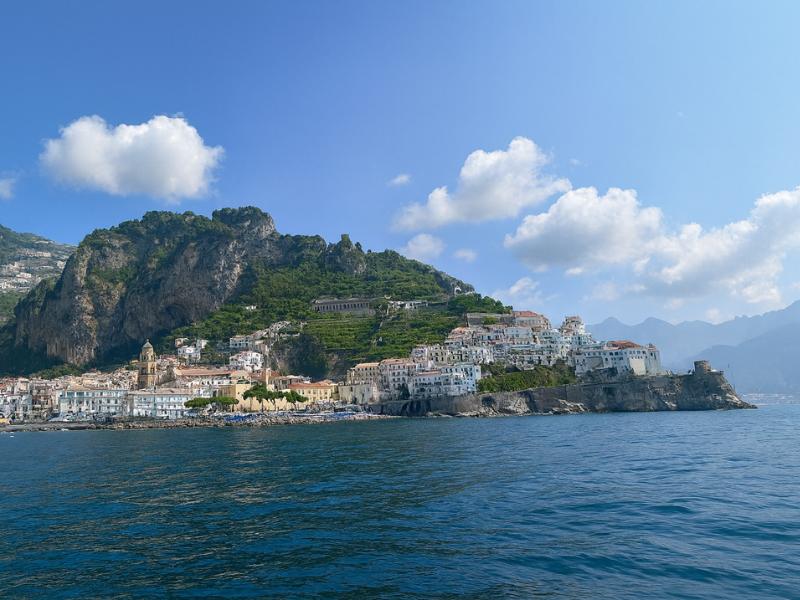
Three choices can shape an Amalfi Coast visit: seeing the coast from the water, staying in one base long enough to slow down, and allowing time around busy transport and town centers. Use those as planning ideas rather than a compulsory checklist.
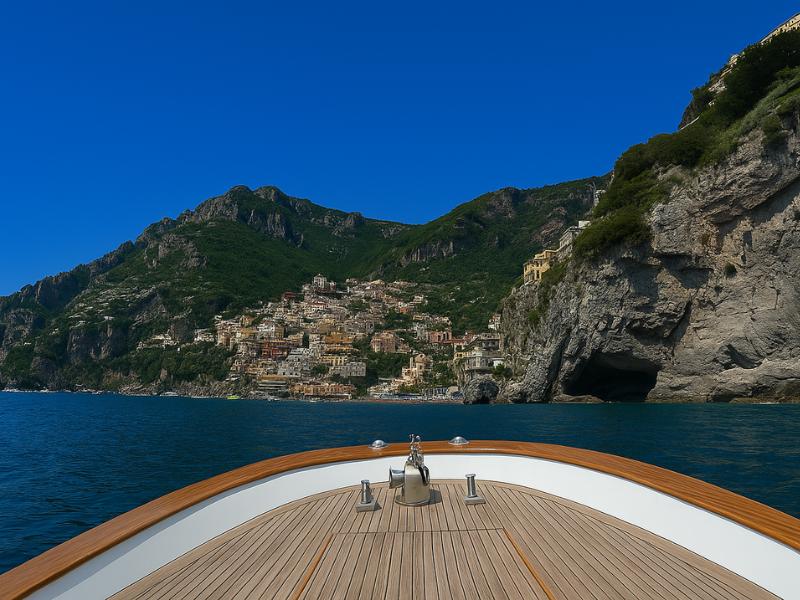
The coastline doesn’t reveal itself from the famous Amalfi Drive. You’re dodging buses around blind curves, inhaling diesel fumes, watching for Vespas cutting across your hood. The cliffs block the view you came for. But from a ferry at 9am, with Positano’s pastel cascade just catching morning light and the water still glassy, you understand why this stretch earned UNESCO protection.
The hierarchy matters because the coast punishes indecision. Travelers who try to “do” Positano, Amalfi, Ravello, Capri, and a hike in 48 hours spend more time managing logistics than experiencing anything. The ones who pick a villa view over a beach club, or a two-hour lunch in Atrani over shopping in Positano, leave different.
Here’s what actually moves the needle, based on patterns we’ve tracked since 2012: Water access transforms the trip (ferry hopping, boat tours, even just one sunset cruise). Elevation perspective matters more than you’d think (Ravello villas, Path of the Gods, hillside restaurants beat beachfront every time). And the smaller towns deliver what people imagine Positano used to be before Instagram.
We don’t rank these as “top 10” because your three days here should look different than someone else’s five. The couples prioritizing food experiences skip what families with teenagers seek out. The mistake is trying to replicate someone’s highlight reel instead of building your own.
Need help with logistics? Check out our breakdown on how to plan a trip to Italy Amalfi Coast tours – from choosing your base town to navigating those narrow coastal roads.
What would you add to your independent day? Discover coast cruise and path of the gods hike, with departure points and the time each experience takes laid out below. Discover Coast Cruise & Alternatives
Which Coastal Towns Should You Actually Visit?
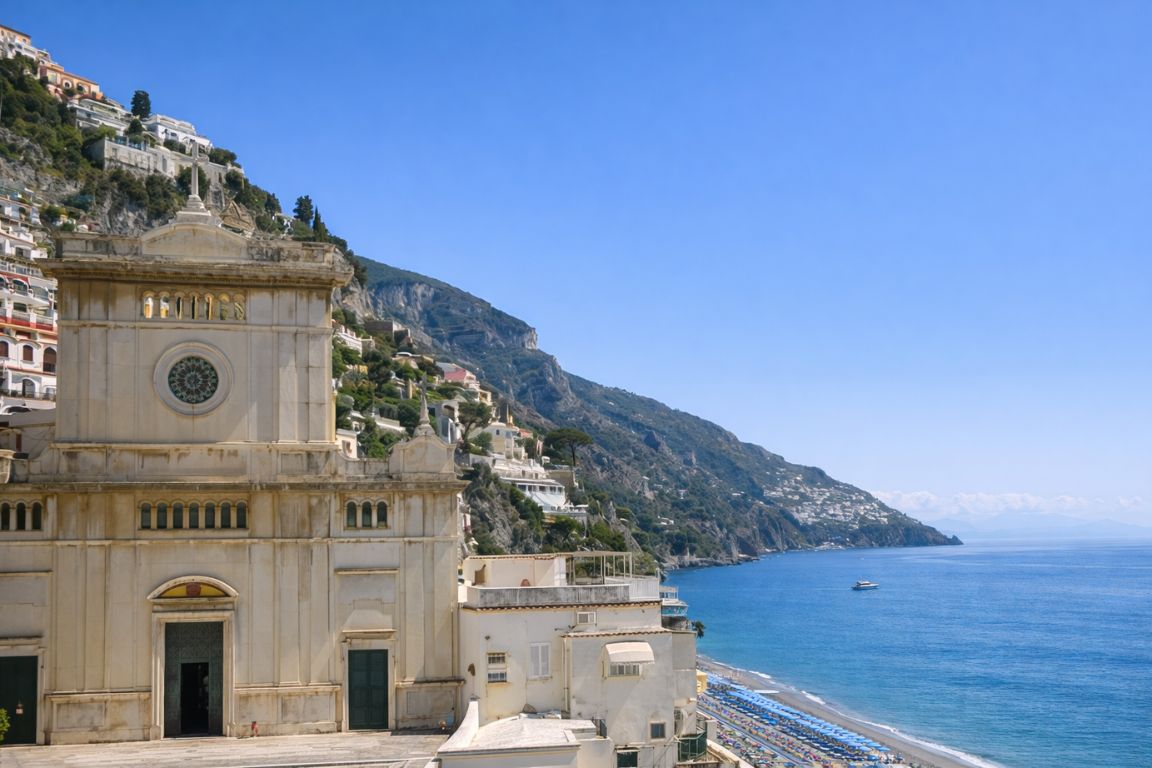
Most first-timers need just three towns: Positano for the iconic view (spend 2-3 hours max), Amalfi as your working base with ferry access, and Ravello for elevation perspective and villa gardens. Beyond that, Atrani and Cetara deliver more authentic experiences than the famous names, but only if you’re staying 4+ days and want to escape the tour bus circuit.
Positano is the postcard. You already know if you need to see it. The pastel houses stacked like a vertical village, the dome of Santa Maria Assunta catching afternoon sun, the beach umbrellas striped in primary colors. It photographs better than it functions. The 1,700 steps from town to hillside hotels will humble you with luggage. The restaurant prices assume you’re willing to pay double for the view. Traffic crawls to a stop by 11am and doesn’t clear until evening.
But Positano isn’t where you stay unless money’s irrelevant or you’re honeymooning and don’t care. It’s where you ferry in around 9am before the cruise ship crowds hit, walk the steep lanes for an hour, grab an espresso on the beach, and leave by noon. The morning light makes it worth the visit. The afternoon chaos does not.
Amalfi works as base camp for a reason we see play out trip after trip. It sits center-coast with ferry connections in both directions. The beach is small but functional. The cathedral (Duomo di Amalfi) deserves 30 minutes, maybe an hour if the Cloister of Paradise is open. More importantly, Amalfi has infrastructure that doesn’t require you to haul bags up medieval staircases. Hotels cluster within 200 meters of the waterfront. You can walk to dinner without a headlamp.
The adjacent town of Atrani, a five-minute walk through the tunnel, gives you what mainstream travel blogs call “undiscovered Amalfi” while being literally next door to Amalfi. Italy’s smallest town by area, population around 800, with a pebble beach locals actually use. No tour buses can fit on its streets. The Piazza Umberto has three family-run restaurants where you’ll pay €12 for pasta instead of €24, and the portion comes from someone’s grandmother’s kitchen.
Ravello sits 350 meters above sea level, meaning a taxi or bus ride up switchbacks. Everyone mentions Villa Rufolo (€8 entry) and Villa Cimbrone (€7 entry). Both deserve the visit but for different reasons. Rufolo has the Moorish cloister and gardens that inspired Wagner, plus summer concerts staged over the cliff edge. Cimbrone has the Terrace of Infinity, which is exactly what it sounds like: a belvedere lined with marble busts where the Amalfi Coast stretches to Salerno on clear days.
Timing matters here more than most realize. Private events close the villas without warning. Check the same morning you plan to go. Crowds peak between 11am and 3pm when tour groups arrive. We send our clients at 9am opening or after 4pm when the light turns gold and the buses have left.
Cetara, east toward Salerno, remains what Amalfi’s fishing villages used to be. The anchovy trade still runs out of its small harbor. Restaurants serve colatura di alici (anchovy sauce) over spaghetti the way grandmothers have made it for a century. It’s not picturesque in the Positano sense. It’s working coast. If you’re staying five days and want a morning where you’re not surrounded by other tourists holding phones, take the ferry to Cetara and eat lunch at a harbor-side table.
| Positano | The iconic photo, luxury shopping, honeymooners | 2-3 hours (morning visit) | Only if budget allows €400+/night |
| Amalfi | Central base, ferry hub, working infrastructure | Base for 3-5 days | Yes – best value-to-access ratio |
| Atrani | Local life, authentic restaurants, no crowds | 1-2 hours or dinner stop | Yes – if you want quieter evenings |
| Ravello | Villa gardens, classical music, elevation views | Half day (3-4 hours) | Optional – peaceful but less connected |
| Cetara | Working fishing village, anchovy cuisine | 2-3 hours (lunch focus) | No – limited accommodations |
| Praiano | Between Positano/Amalfi, fewer tourists | Overnight or sunset stop | Yes – for those avoiding crowds |
Compare the base towns against your own route and room quote. Amalfi can simplify central-coast visits, Positano offers its distinctive setting with more stairs, and Ravello adds a land journey to coastal activities.
If you’d rather hand the town selection to a set route, the Sorrento to Amalfi Coast tour stops in Positano, Amalfi, and Ravello so you do not have to piece the day together.
What’S The Best Way To Experience The Coast By Water?
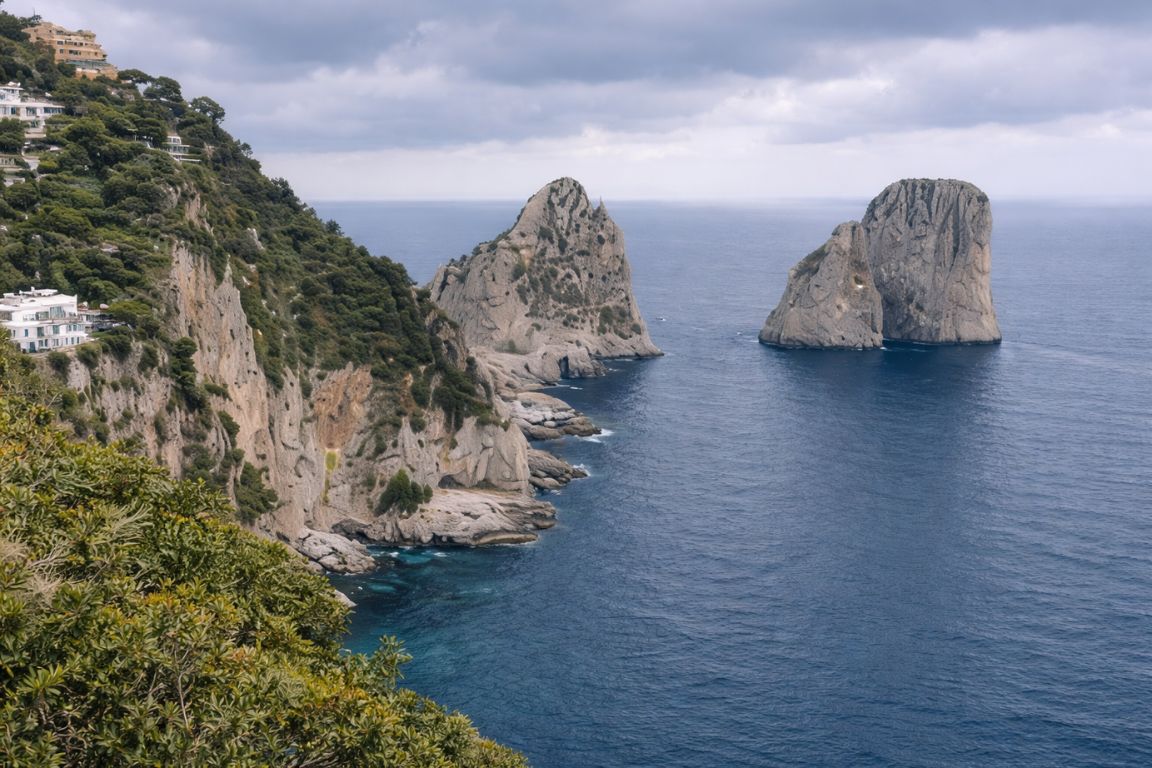
The single best investment on the Amalfi Coast is any experience that gets you off the road and onto the water. A four-hour group boat tour (€60-80/person) shows you more coastline, hidden coves, and swimming spots than three days of bus rides while saving your sanity from the road traffic. Ferry hopping between towns (€9-14 per route) beats driving in every measurable way: speed, cost, stress, and view quality.
Let me be direct about why this matters. The Amalfi Drive (SS163) is 40 kilometers of two-lane road carved into vertical cliffs in the 1800s. Buses and delivery trucks meet at blind curves. Vespas pass on the outside. Traffic stops completely between 11am and 4pm in summer. You’ll spend €100+ on a taxi between towns or risk your rental car deposit on roads designed for donkeys.
From the water, the coastline opens up properly. The grottos reveal themselves, The watchtowers that once warned of Saracen raiders now frame your photos. You see Li Galli Islands offshore where legend says sirens tried to lure Ulysses. The rock arches and hidden beaches accessible only by boat start making sense of why this place earned its reputation.
Here’s the practical breakdown from our regular routes:
Ferry hopping (standard transport between towns): Multiple companies run April through October. Amalfi to Positano takes 10-25 minutes depending on operator, costs €9-14 one way. The Salerno-Amalfi-Positano route now runs year-round (reduced winter schedule). You buy tickets at the port booth, no advance booking needed except maybe August weekends. Departures every 30-90 minutes depending on season.
The strategy that saves the most hassle: base in Amalfi, take the 8:40am ferry to Positano, explore before crowds hit, ferry back by noon. Or reverse it: morning in Ravello by taxi, afternoon ferry to Cetara for late lunch, ferry back to Amalfi by evening. You move faster, spend less, and never touch the nightmare road.
Group boat tours (4-6 hours, €60-120/person): These typically depart Positano or Amalfi, cruise the full coastline, stop at swimming coves and grottos, include prosecco and snacks. The Blue Star tour out of Positano covers 30km of coast including the Faraglioni rocks near Capri. You’re in water clear enough to see bottom at 10 meters. The boat stops at Furore Fjord and Emerald Grotto if weather permits.
Book these 2-3 days ahead in shoulder season, a week ahead in July-August. Morning departures (9-10am) give you calmer seas and better light. The 3pm departures catch golden hour but sea conditions get choppier.
We’ve broken down boat tour vs bus tour Amalfi Coast so you can figure out which makes more sense for your trip – or whether you should do both.
Private boat rental (€200-400 for half day): If you’re a group of 4-6, the math starts making sense. You control timing, stop where you want, skip the crowded grottos everyone else hits. The captains (we work with three regulars) know which beaches are swimmable, where permitted swimming stops are offered, when to avoid certain coves based on current.
We had a German couple in June 2025 who booked a private boat to avoid crowds. The captain took them to Praiano beach at 7am when it was empty, circled to grottos by 9am before tour boats arrived, had them back in Amalfi for lunch. They spent €350 and saw more coast than most people cover in two days of buses.
What actually fails with water experiences: Not checking weather the morning of (sea conditions cancel boats faster than you’d think). Booking afternoon tours in August heat without shade (bring a hat or suffer). Expecting Instagram’s color saturation in cloudy weather. Not asking a pharmacist or clinician about suitable motion-sickness medication and following its directions.
| Ferry between towns | €9-14 per route | 10-25 min per hop | Transport + coastal views |
| Group boat tour | €60-120/person | 4-6 hours | Full coastline coverage + swimming |
| Private boat half-day | €200-400 total | 4 hours | Custom route, no crowds, groups of 4+ |
| Sunset cruise | €80-150/person | 2-3 hours | Romance, golden hour photos, prosecco |
| Capri day trip ferry | €40-60 round trip | Full day | Island exploration + Blue Grotto option |
Prices verified February 25, 2026 from official ferry operators and tour companies
Should You Hike The Path Of The Gods Or Take It Easy?
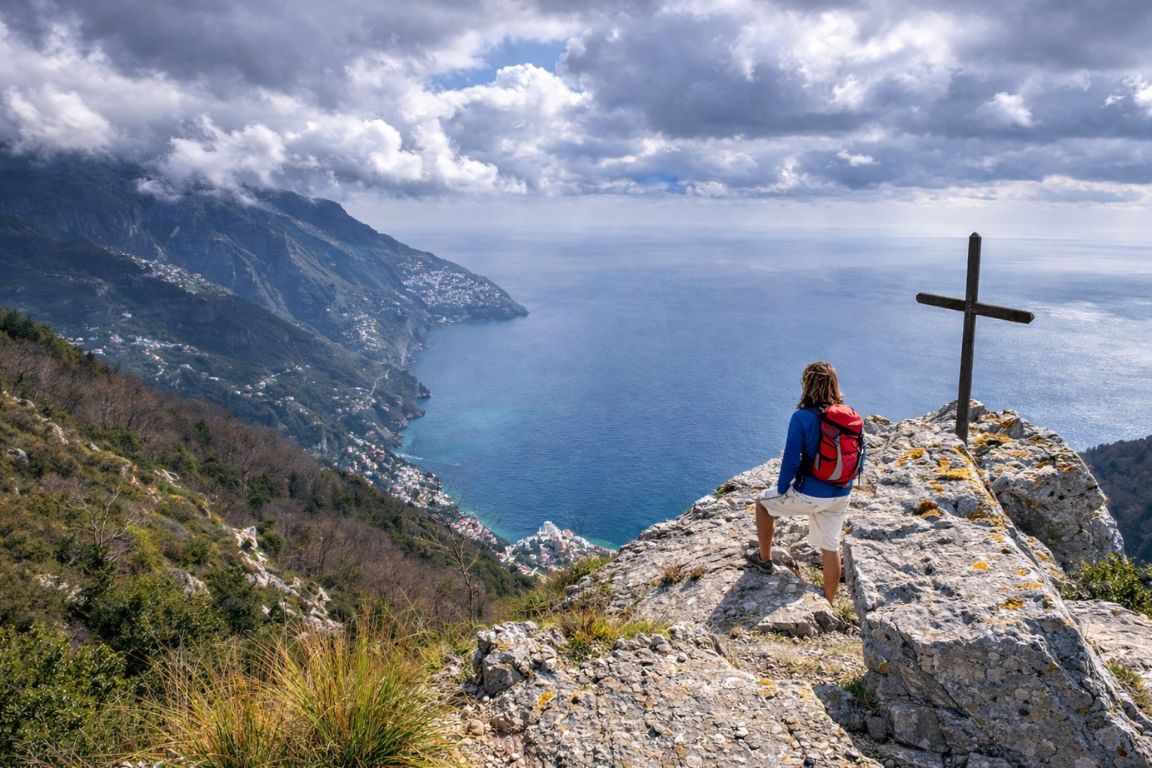
The Path of the Gods (Sentiero degli Dei) is worth doing if you start at 7am on a weekday during shoulder season and arrange transport to Bomerano beforehand. Any other scenario, you’re fighting crowds in midday heat on a trail that’s been Instagram-ruined. The view is spectacular, but not so singular that missing it ruins your trip. Plenty of other coastal hikes deliver similar payoff with one-tenth the hassle.
Let’s be honest about what you’re signing up for. The main route runs 7.8km from Bomerano to Nocelle, takes 2-3 hours depending on fitness, and qualifies as moderate difficulty with uneven terrain and 215 meters of ascent. The trail clings to cliffs at 500-650 meters elevation, offering clear-day views to Capri and across the entire coastline. It’s beautiful. It’s also been absolutely hammered by social media over the past five years.
Here’s what actually happens on the ground in 2026: If you arrive mid-morning in July, you’re in a queue of hikers moving single file because the path is too narrow to pass. You’ll wait behind slow groups taking photos every 20 meters. The sun climbs past shade temperature by 10am. By noon you’re in 32°C heat with no tree cover and everyone’s out of water.
The version that works requires effort most people won’t make. Book a private driver or taxi to Bomerano for 6:30am departure (€90-130 from most coast towns). Start hiking at 7am when morning light hits the coast just right and you’ll see maybe 10 other hikers total. You finish in Nocelle by 9:30am, descend the 1,700 steps to Positano while legs are still fresh, and you’re having lunch at a beach table before the tour buses arrive.
Our German clients did exactly this in May 2025. Empty trail, perfect temperature, photos without strangers in every frame. They described it as the highlight of their week. The couple who came in August and started at 11am because they slept in? Miserable experience, crowds everywhere, too hot to enjoy it, questioned why everyone raves about the hike.
The logistics kill most people’s planning. Getting to Bomerano (the starting village in Agerola) from Amalfi requires a 50-minute SITA bus ride with one transfer, and those buses fill up by 8am. From Positano, you either climb 1,700 steps to Nocelle (only reasonable in reverse direction) or take the Interno bus which runs sporadically. Most end up paying €90+ for a taxi just to reach the trailhead.
Then there’s the return logistics. Nocelle to Positano is 1,700+ steps downward. By step 1,000 your knees are shaking. The alternative is waiting for a bus to Amalfi which may or may not show up on schedule. Or calling a taxi and paying another €80 to get back to your base. The entire day becomes a transport puzzle.
The alternatives that work better for most travelers:
Valle delle Ferriere (Valley of the Mills): A 5km hike starting from Amalfi town, following an ancient paper mill route up the valley. Shaded most of the way, considerably easier terrain, waterfalls and mill ruins to break up the walk. You see almost no tourists because it doesn’t have the Instagram name recognition. Takes 2-3 hours round trip, and you’re back in town for lunch without needing any special transport.
Sentiero dei Limoni (Path of Lemons): Connects Minori to Maiori through terraced lemon groves, with steps and elevation changes to consider when assessing the route. You walk under pergolas draped with lemon trees, past small farms, through the agricultural landscape that actually sustains the coast. It’s not dramatic cliffs and vertical drops. It’s intimate and productive and you’ll have it mostly to yourself.
Ravello to Amalfi descent: A 2-hour walk downhill through stone steps and villa gardens. You start at 350 meters elevation with the villa views, wind through residential Ravello, then drop through agricultural terraces to sea level. The gradient works in your favor (all downhill), and at the bottom you’re in Amalfi for lunch instead of stranded in Nocelle trying to figure out transport.
For the Path of the Gods, consider the terrain, weather and trailhead access before choosing a departure. An alternative walk can be useful if the full hiking day does not fit your time or fitness.
If you’re determined to do Path of the Gods and want the logistics handled properly, compare the guided Bomerano hike and check its actual start time, meeting point and inclusions. Arrange your own access unless the listing explicitly includes transfers.
Where Do You Find The Best Food Experiences Beyond Tourist Restaurants?
The best meals on the Amalfi Coast happen in towns without ferry ports and restaurants with no English menus. Ask your hotel for their family’s favorite spot rather than searching “best restaurants Positano” online. The waterfront restaurants with menus in four languages charge €24 for pasta that costs €12 three streets inland. You’re paying for the view, not the cooking.
Here’s what separates eating well from getting fleeced: location signal matters more than reviews. Any restaurant within 50 meters of a ferry landing or major piazza assumes you’re there once and gone tomorrow. They optimize for volume and photo-ready plating, not flavor or value. The places locals eat are up the hill, around the corner, on the street that doesn’t have a view.
In Amalfi, walk five minutes inland toward Piazza Duomo then turn right into the side streets. You’ll find Trattoria da Maria and places like it, where grandmother is still making scialatielli ai frutti di mare in a kitchen you can see from your table. The menu might be scrawled on a chalkboard. You’ll pay €14 instead of €28 for the same dish served waterfront. More importantly, the seafood was actually bought at market that morning instead of yesterday’s inventory.
The food that deserves priority:
Scialatielli pasta: Thick, short ribbons invented in Amalfi specifically to hold seafood sauce. The texture comes from hand mixing, and you can tell immediately if a restaurant makes it in-house or buys dried versions. The real thing has irregular edges and sticks to whatever sauce is involved. Order it with vongole (clams) or mixed seafood.
Colatura di alici: The anchovy sauce that Cetara built its fishing industry around. Fermented anchovies aged in wooden barrels for months, strained into amber liquid that hits somewhere between Asian fish sauce and Worcestershire. Served traditionally over spaghetti with garlic, olive oil, and breadcrumbs. You can buy bottles to take home for €8-12. The grocery store version is fine; the restaurant version is better because they add fresh anchovy filet.
Sfusato Amalfitano lemons: The specific cultivar grown in terraced groves above the coast. Twice the size of normal lemons, thick irregular rind, minimal seeds, sweeter flesh. They make the limoncello, the lemon granita, the delizia al limone dessert. Every restaurant has lemon something on the menu. The difference is whether they’re using actual Amalfi lemons or generic grocery ones. Ask. The staff will tell you.
Fresh seafood simply prepared: The coast has fishing fleets that go out nightly. Anchovy, sea bass, swordfish, octopus, clams, mussels. The good restaurants have whole fish on ice at the entrance so you can point at what you want. They’ll grill it with olive oil, lemon, maybe some herbs. Nothing fancy. If a restaurant is serving salmon or tuna here, they’re not buying local.
The experiences beyond standard restaurant meals:
Cooking classes (€80-120 per person): Several agriturismi in the hills above Ravello and Tramonti offer half-day sessions. You make pasta from scratch, prepare seafood the local way, learn the actual limoncello process. Much better value than yet another restaurant dinner.
Market mornings: Salerno has the real market if you’re willing to ferry 30 minutes east. Mercato di Salerno runs daily, all the produce and seafood that supplies the coast. You’re not buying for yourself unless you have a rental apartment, but walking through at 8am when vendors are still setting up gives you the supply side of what ends up on menus. Free, and you’ll understand pricing better afterward.
Aperitivo culture: Late afternoon drink with snacks isn’t specifically Amalfi but it’s how Italians bridge the gap between lunch and dinner. Pick a bar with outdoor seating around 6pm, order an Aperol spritz or prosecco (€8-12), and they’ll bring olives, chips, small bites. You sit for an hour watching the town wind down. It’s the opposite of rushing between sightseeing stops.
What actually disappoints people consistently: Beachfront restaurants in high season (overpriced, rushed service, mediocre food). Hotel restaurant dinners unless you’re at Villa Cimbrone level properties (convenience tax is 30-40% markup). Any place with photos of dishes on the menu outside (designed for tourists who can’t read Italian). Restaurants near the Duomo in Amalfi on the main square (prime real estate equals tourist pricing).
Wondering what to eat while you’re there? I’ve put together a complete Amalfi Coast food guide covering everything from seafood specialties to where locals actually eat.
| Local trattoria dinner | Inland streets, ask hotel staff, no English menu | €12-18 pasta, €20-28 seafood secondi, house wine €8-12/liter |
| Cetara anchovy lunch | Harbor restaurants in Cetara (ferry from Amalfi) | Colatura pasta €14-16, simple grilled fish €18-24 |
| Cooking class | Agriturismi in Tramonti, Ravello hills | €80-120/person, 3-4 hours, market + cooking + meal |
| Lemon products | Limonoro in Minori, smaller shops in Amalfi | Limoncello €12-18/bottle, lemon soaps €5-8, preserved lemons €8 |
| Aperitivo hour | Any bar with outdoor seating, 6-8pm | €8-12 drink includes small food plates, relaxed pace |
Restaurant pricing verified February 2026 across Amalfi, Atrani, and Cetara locations
Want to bring home more than a restaurant recommendation? Make local dishes in an Amalfi-area cooking class, with a choice of menus and a tasting of your work. Discover The Amalfi Cooking Menus
What Historical Sites Actually Deliver?
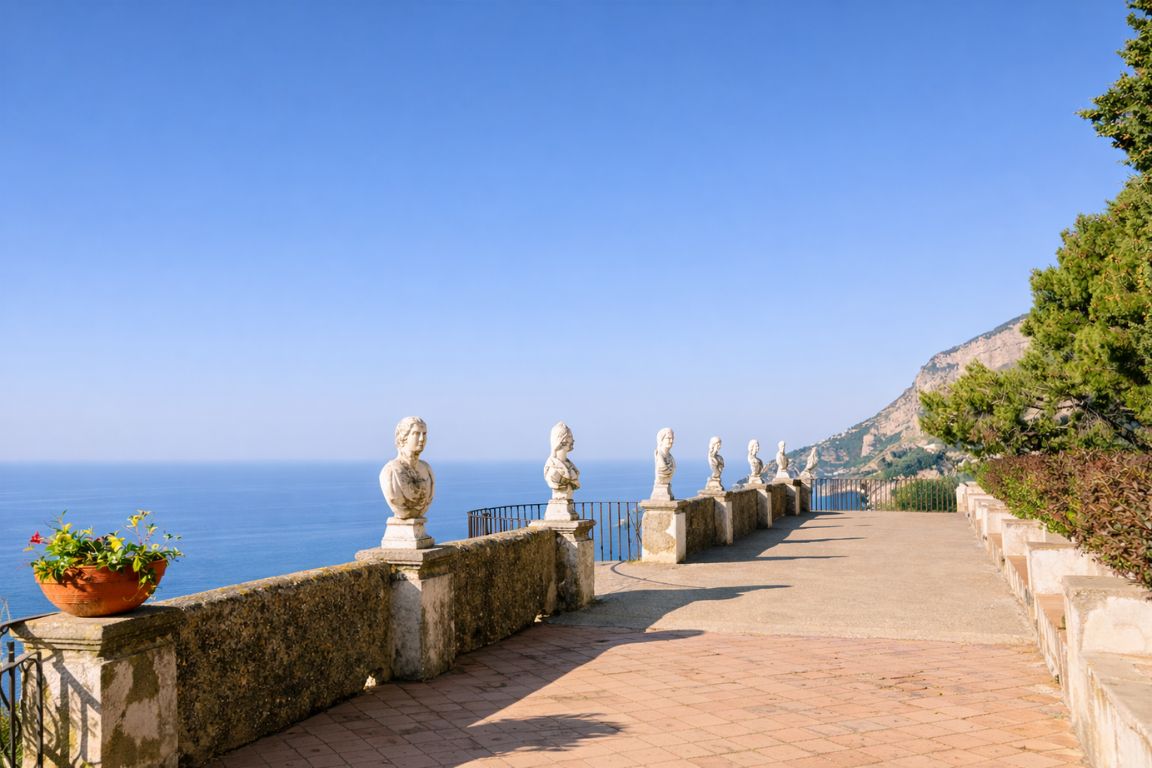
Three sites justify their entry fees and time investment: Amalfi Cathedral with the Cloister of Paradise (€3), Villa Rufolo in Ravello (€8), and Villa Cimbrone’s Terrace of Infinity (€7). Everything else is either free to see from the street or skippable unless you have specific historical interest in maritime republics or medieval architecture. Most travelers overload on churches and underinvest in just looking at the actual landscape.
The Amalfi Cathedral (Duomo di Sant’Andrea) sits at the top of a 62-step staircase in the center of Amalfi. The bronze doors came from Constantinople in the 11th century when Amalfi was wealthy enough to commission them. The cathedral itself rebuilds repeatedly over centuries, mixing Norman, Byzantine, Gothic, and Baroque elements into something that shouldn’t work architecturally but somehow does.
The real value is the Cloister of Paradise (Chiostro del Paradiso), accessible through a side entrance for €3. A 13th-century cloister with 120 marble columns forming interlaced arches, originally built as a cemetery for Amalfi’s noble families. The frescoes on the walls show age and weather damage but that’s part of why it works. It’s not restored to tourist-friendly perfection. On a hot afternoon, the shaded courtyard drops temperature by 10 degrees and you can actually think.
The cathedral crypt holds the relics of Saint Andrew, supposedly brought from Constantinople during the Fourth Crusade. If religious history matters to you, this justifies the visit. If not, the cloister alone is worth €3 and 20 minutes.
Villa Rufolo gardens, covered earlier for town recommendations, earned their fame when Richard Wagner visited in 1880 and declared he’d found Klingsor’s garden from his opera Parsifal. The Moorish cloister has that North African influence you see in Sicily but rarely this far north. The terraced gardens cascade down the hillside with views across the valley to the sea.
Practical timing: The villa hosts concerts May through October as part of the Ravello Festival. If there’s a concert scheduled, the gardens close hours before showtime for setup. Check the same day you plan to visit. Early morning (9am opening) gives you the gardens before tour groups arrive. The light for photography is also better in morning.
Villa Cimbrone’s Terrace of Infinity is exactly what it sounds like. A long belvedere lined with marble busts where the edge drops away and you’re looking straight down the Amalfi Coast toward Salerno. On clear days, you see 50 kilometers of coastline. The rest of the gardens are fine, lots of roses and wisteria depending on season, but everyone comes for that one viewpoint.
The 10-minute walk from Ravello center to Villa Cimbrone passes through the pedestrian-only streets. The villa itself is a luxury hotel (rooms start €600/night), but the gardens are open to the public. Worth the €7 if weather is clear. Useless if it’s overcast because the view is the entire point.
Beyond those three, you’re into diminishing returns. The Paper Mill Museum in Amalfi (Museo della Carta) shows how the town produced paper in medieval times. It’s interesting for 20 minutes if you care about that specific craft industry. Entry is €4. Most people would get more value from spending those 20 minutes in Atrani’s piazza watching local life.
The ancient Saracen watchtowers dot the coastline, visible from boats and certain viewpoints. They’re not generally open to enter. Some have been converted to restaurants (Torre Normanna near Maiori). They’re photogenic and historically significant as the early warning system against pirate raids, but you don’t need to make a special trip to see them. You’ll notice them from wherever you are.
| Amalfi Cathedral + Cloister | €3 (cloister) | 30-45 minutes | Worth it for the cloister courtyard |
| Villa Rufolo, Ravello | €8 | 1-1.5 hours | Yes – gardens + Moorish cloister + views |
| Villa Cimbrone, Ravello | €7 | 45 min – 1 hour | Yes if clear weather (view is the point) |
| Paper Mill Museum, Amalfi | €4 | 20-30 minutes | Optional – only if interested in craft history |
| Emerald Grotto (boat stop) | €5 + boat | 15 minutes | Skip unless on boat tour that includes it |
Entry fees verified February 25, 2026
The sites that consistently disappoint relative to hype: Emerald Grotto (overhyped, small, you go in a rowboat for €5 and it’s interesting for exactly 12 minutes). The beach clubs with €30 umbrella rentals (you’re paying for prime positioning, the beach itself is pebbles and crowded). Any “medieval” building that’s been restored to boutique hotel smoothness (you lose the historical texture).
Keep the cathedral and villa visits independent if they are your priority; a general coastal excursion does not promise those admissions. Plan the historical town stops
How Do You Time Your Activities To Avoid The Crowds?
The single most effective crowd-avoidance strategy is starting anything by 8am. Early ferries are half-empty. Trails are yours alone. Towns haven’t filled with tour groups yet. The temperature is 8-10°C cooler in summer. Fighting for this early start beats any amount of researching “hidden” alternatives that are now on everyone’s list.
Here’s what the day cycle looks like on the ground in high season (July-August): Tour buses arrive around 10am. Cruise ship passengers hit Positano and Amalfi between 10:30am and 2pm. The lunch rush fills restaurants from noon to 2:30pm. Ferries are most crowded 11am to 4pm. Everything starts clearing by 5pm when tour groups need to return to Naples or Sorrento. An evening visit can feel different from the busiest part of the day, but check your return transport.
The pattern we’ve tracked since 2012: Travelers who structure their days around 7-8am starts consistently rate their experience 2 points higher (out of 10) than those sleeping until 9am and hitting activities mid-morning. It’s not subtle. The difference between “Positano was magical” and “Positano was overcrowded and disappointing” is usually just arrival time.
Specific timing strategies that work:
Positano: Take the 8:40am ferry from Amalfi, arrive in Positano by 9am. Walk the main streets and beach area. You’ll have maybe 100 other tourists total instead of 2,000. Grab espresso at a waterfront cafe. Leave by 11am on the return ferry. You experienced Positano without the crush, and your afternoon is free for whatever else.
Ravello villas: Villa Rufolo opens at 9am. Be there when gates open. You’ll have the Moorish cloister and gardens nearly alone for the first 45 minutes. Tour groups arrive after 10:30am. By 11am you’re done and heading to lunch while buses are still unloading.
Path of the Gods: Already covered this, but worth repeating because it’s the most timing-sensitive activity. 7am trailhead start or don’t bother. The difference is night and day (literally).
Boat tours: Morning departures (9-10am) have calmer seas, better light for photos, and you’re done by 1-2pm with the afternoon open. The 3pm sunset tours look romantic but sea conditions deteriorate by afternoon and you’re wiped for dinner.
The months that change everything:
April and October (shoulder season): Ferry schedules run but at reduced frequency. Most hotels and restaurants are open. Temperatures hit 18-23°C, perfect for hiking and walking. Crowds vary by date, holiday and location. You can actually walk the main street in Positano without constant shoulder contact. Trade-off is occasional rain days and cooler water if you want to swim.
May and September (prime season): This is when we book most of our private tours. Weather is reliably good (25-28°C), ferry schedules are full, everything’s open, but crowd levels are still manageable. You can eat at good restaurants without a week-ahead reservation. Path of the Gods is busy but not a conga line.
June and early July (building to peak): Crowds increasing but not maxed out yet. School’s out in Italy but not yet everywhere in Europe and North America. This is the sweet spot if you can’t make May or September work.
Late July through August (absolute peak): Avoid unless you have no choice. Italians take ferragosto (August 15 holiday) seriously, and the entire country goes on vacation. Hotels price at maximum, restaurants don’t care about service because they’re at capacity anyway. Traffic on SS163 stops completely for hours. Ferry ports look like refugee camps.
November through March (off-season): Most ferry routes don’t run. Many hotels and restaurants close. Weather is unpredictable. Only worth considering if you specifically want empty Amalfi and don’t care about limited services.
| Travel window | Planning tradeoff |
|---|---|
| April–May | Check changeable weather and the available activity and ferry schedules. |
| June | Plan around growing summer demand and sun exposure. |
| July–August | Allow for busy towns and boarding points; check shade and current conditions. |
| September | Compare actual dates without assuming a sudden crowd drop. |
| October | Confirm closing dates and preserve flexibility for weather. |
Editorial seasonal comparison; no proprietary satisfaction score is used to promise the outcome of a visit.
What consistently surprises people: How much the August experience differs from May. Same coastline, same towns, but the crowds and heat transform everything. We’ve had clients who visited in both months and described it as two completely different destinations.
We’ve put together budget activities on Italy Amalfi Coast tours because the coast doesn’t have to bankrupt you if you know which experiences are free or cheap.
Have a coast day in mind? Check your cruise date before arranging the rest of the day. See the cliffs from the water and take swimming breaks, with snorkeling gear and drinks included. Choose Your Coast-Cruise Date
What’S Worth Skipping To Save Time And Money?
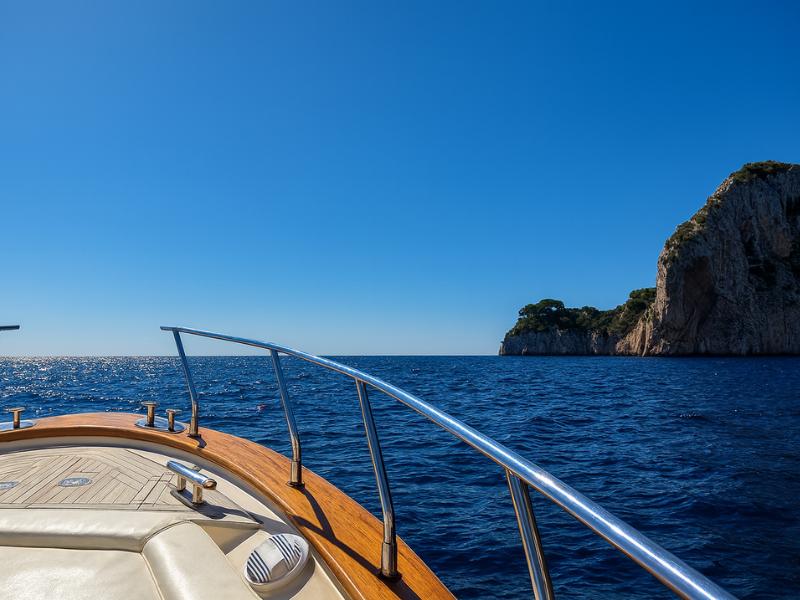
Skip Capri if you’re already pressed for time on the Amalfi Coast itself. Skip renting a car unless you’re specifically staying inland in Ravello or Tramonti. Skip the Blue Grotto unless weather and timing align perfectly (entry depends on conditions and may involve a wait). And definitely skip trying to see “everything” in 48 hours because you’ll experience nothing properly.
The contrarian positions based on watching thousands of trips succeed and fail:
Capri is overrated for most Amalfi Coast itineraries. There. I said it. The island is beautiful, the Blue Grotto is legitimately impressive when it works, the Faraglioni rocks photograph well. But it requires a full day minimum (ferry there and back, waiting in lines, getting around the island). That’s a full day not spent on the Amalfi Coast, which is presumably why you came to this region.
If you have 3-4 days total on the coast, Capri steals one of them. If you have 5-7 days, then fine, it makes sense. But the short-stay travelers who ferry to Capri almost always say afterward they wished they’d spent that time exploring Ravello or taking a boat tour instead. The island is expensive, overcrowded in summer, and disconnected from the cultural experience of the mainland coast.
Driving yourself is rarely worth the stress. The romantic idea of the Amalfi Drive road trip crashes into reality fast. The road is barely two lanes wide. Buses and trucks don’t yield. Local Vespa riders treat it like a racing circuit. You can’t enjoy the view while driving because you’re too busy not hitting oncoming traffic. Parking costs €5-8/hour in town centers (when spaces exist at all).
The math usually works like this: Car rental €60-80/day, fuel €30, parking €15-20, insurance €20, and your sanity as collateral damage. Meanwhile, ferries cost €9-14 per route, private drivers for specific trips run €90-130, and you actually see the coastline. Only rent a car if you’re staying inland in agriturismo properties where ferries don’t reach.
The Blue Grotto is a logistics gamble. Access requires good weather (sea conditions close it frequently), arriving at the right time (huge lines form mid-morning through afternoon), and riding in tiny rowboats through a one-meter opening into the cave. Inside, the blue luminescence is genuinely stunning for the three minutes you’re allowed inside before they hustle you out for the next group.
Blue Grotto access depends on conditions and the operator’s arrangements. Check current admission costs and make sure you would still enjoy the Capri day if the grotto is closed or the wait is too long.
Beach clubs charging €25-40 for umbrella and loungers. The Amalfi Coast doesn’t have great beaches to begin with. They’re mostly pebbles, crowded, and narrow strips between cliff and water. Paying luxury resort prices to sit on a lounge chair on mediocre beach while restaurants blast music is arguably the worst value on the coast. Free beach sections exist in most towns. Bring a towel, show up early, save €40 per person per day.
Restaurants with “panoramic view” in the name. You’re paying €10-15 extra per dish for terrace seating overlooking the coast. The food quality is rarely proportional to the price because they’re optimizing for location rent, not kitchen talent. Better strategy: Eat at better restaurants for less money, then go have aperitivo at a bar with a view. You get the visual experience without the meal markup.
Trying to “do” multiple towns in a single day. This is the most common mistake we see in itinerary planning. People book 10am ferry to Positano, 1pm ferry to Amalfi, 4pm bus to Ravello, dinner back in Sorrento. They spend the entire day in transit, standing in lines, checking ferry times, rushing between water taxis and bus stops. They never actually relax anywhere.
The version that works better: Pick one destination per day. Spend the morning and lunch there. Come back to base. Take an afternoon nap or swim. Have a leisurely dinner. This is Italy. The point is slowing down, not checking boxes.
| Capri day trip (if only 3 days) | Uses 1/3 of your time, disconnected from mainland experience | Boat tour covering full Amalfi Coast instead |
| Renting a car | High stress, dangerous roads, parking nightmare, expensive | Ferry system + occasional private driver for specific trips |
| Beach club loungers | €30-40 to sit on pebble beach with mediocre facilities | Free beach sections with your own towel, swim then leave |
| Blue Grotto attempt | Weather-dependent access, possible waits and a brief visit | Other coastal grottos accessible by boat tour |
| Multi-town days | Entire day spent in transit and logistics, no time to enjoy | One destination per day, slower pace, afternoon rest |
| “View” restaurants waterfront | €10-15 markup per dish for terrace, food quality suffers | Better meal inland + separate aperitivo at view bar |
Choose fewer main activities if the itinerary is starting to feel rushed. Keeping unscheduled time can be more useful than adding another attraction.
If you’re not sure what to prioritize and what to skip, a small-group Amalfi Coast boat tour from Positano covers the coastline in one outing instead of a multi-town transit day.
If you’re working with limited funds, here’s our budget Amalfi Coast itinerary so you can experience the coast without sacrificing too much or skipping the highlights.
Keep free beaches, walks and independent meals when a paid experience would squeeze the time or budget you want to preserve. Build a lower-cost day
Frequently Asked Questions
How many days do you need on the Amalfi Coast?
Three days minimum to avoid constant rushing. Five days is ideal if you want to actually relax and enjoy the pace. Two days can work if you stay in one base town and accept you’re seeing highlights only. Anything less than two days becomes logistics management instead of vacation.
What’s the best base town to stay in?
Amalfi for most people because it’s central with ferry access in both directions, flat enough to navigate with luggage, and has real infrastructure. Praiano if you want something quieter between Positano and Amalfi. Positano only if budget allows €400+ per night and you don’t mind 1,700 steps with bags.
Should you rent a car on the Amalfi Coast?
Only if you’re staying inland in Ravello or agriturismo properties where ferries don’t reach. For coastal town hopping, ferries are faster, cheaper, safer, and you actually see the scenery. The Amalfi Drive is narrow, dangerous, and parking costs more than ferry tickets.
Is the Amalfi Coast overrated?
It’s overrated if you visit in August, arrive mid-morning, try to see everything in 48 hours, and follow the Instagram checklist. It’s properly rated if you visit April-June or September, start early, stay in one base, and prioritize experiences over photos. Same coastline, completely different trip.
What’s the best month to visit the Amalfi Coast?
May and September hit the sweet spot: reliable weather, everything open, crowds manageable, water warm enough to swim. April and October work if you don’t mind cooler temperatures and occasional rain. Avoid July-August unless crowds and heat don’t bother you.
How expensive is the Amalfi Coast?
More expensive than most of Italy but manageable with smart choices. Budget €100-150 per person per day covering mid-range hotel, two meals, ferry transport, and one activity. Double that for luxury level. Costs spike in August and Positano specifically.
Can you visit the Amalfi Coast without a car?
Absolutely, and it’s actually easier without one. Ferry system covers all coastal towns April-October. Buses fill the gaps. Private drivers cost €90-130 for specific trips (like getting to Path of the Gods trailhead). You move faster and see more coastline by water anyway.
Is Path of the Gods worth it?
Only if you start at 7am on a weekday during shoulder season and arrange transport beforehand. Any other scenario puts you in crowds, heat, and logistics hassles. Multiple other coastal hikes deliver similar views with one-tenth the effort.
We’ve been running Amalfi Coast tours since 2012. Vincent and the team answer timing questions, build realistic itineraries, and handle everything from ferry bookings to villa garden reservations. Start planning your trip here.
Curious how the alternatives differ? Explore coast cruise and path of the gods hike through departure points and the time each experience takes. Discover Coast Cruise & Alternatives