Boat Tour Vs Bus Tour Amalfi Coast
Boat or bus on the Amalfi Coast? Boats avoid traffic and reach hidden coves (€80–139), buses are cheap (€10) and reach Ravello - but summer crowds change everything.
Decide whether you want transport, swimming or a scheduled town route before comparing the prices. Choose Your Experience Below.
Which Actually Shows You More Of The Amalfi Coast?
Boats give you the coastline, buses give you the towns. That sounds obvious, but after guiding this route 840 times in 2025, I can tell you most people don’t think through what they’re actually sacrificing until they’re stuck on a hot bus or missing Ravello from a boat deck.
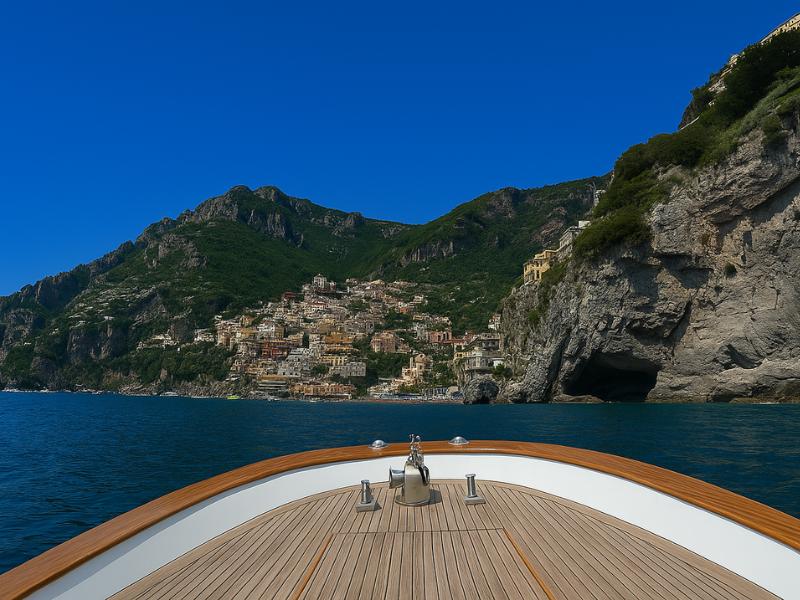
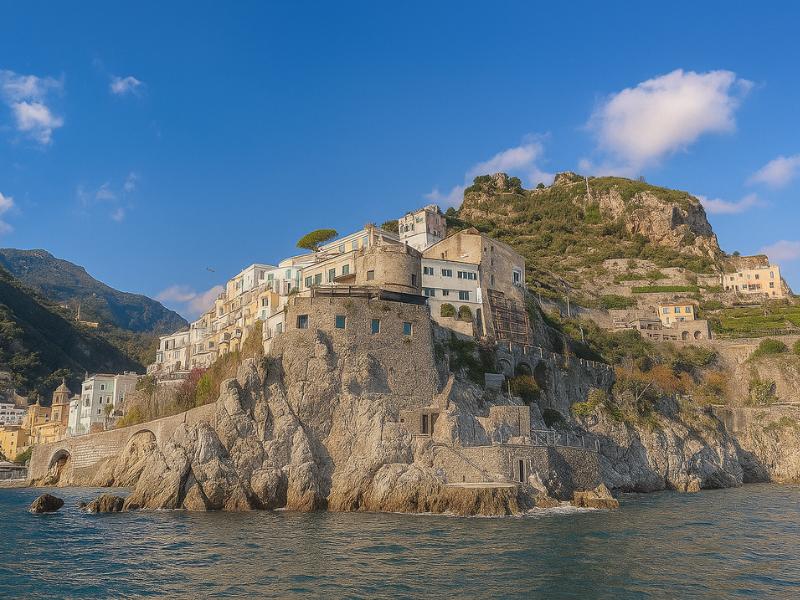
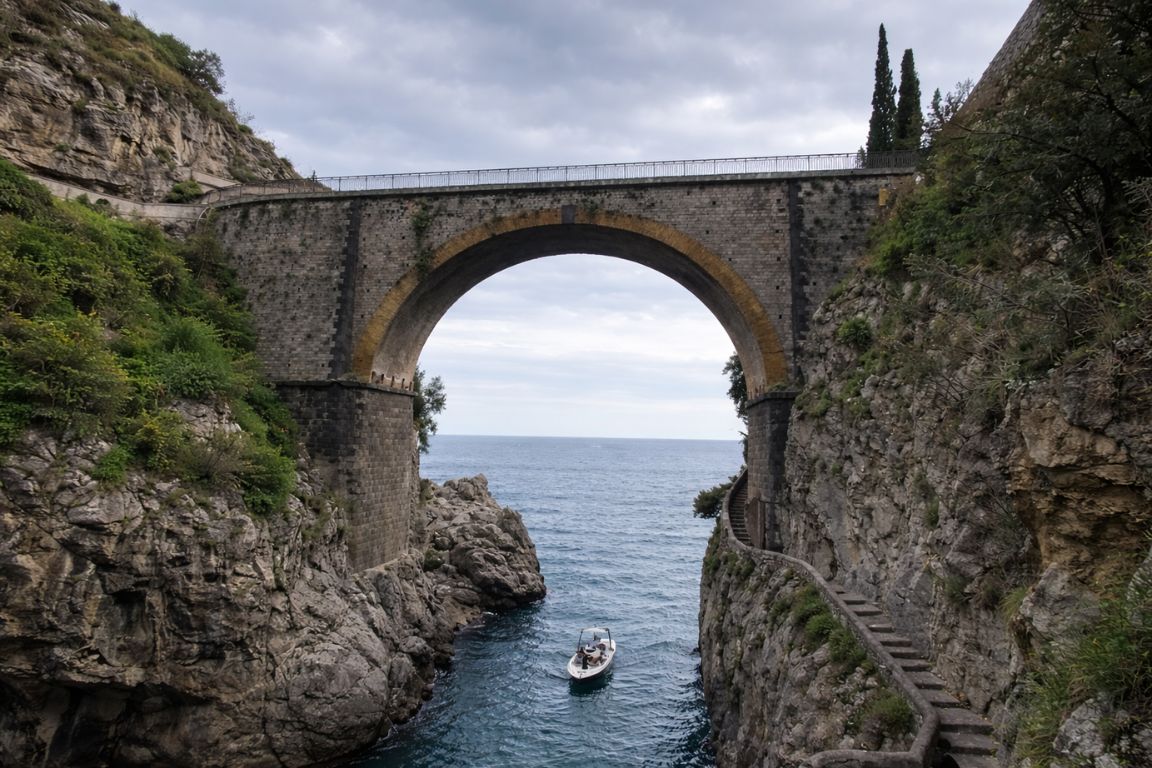
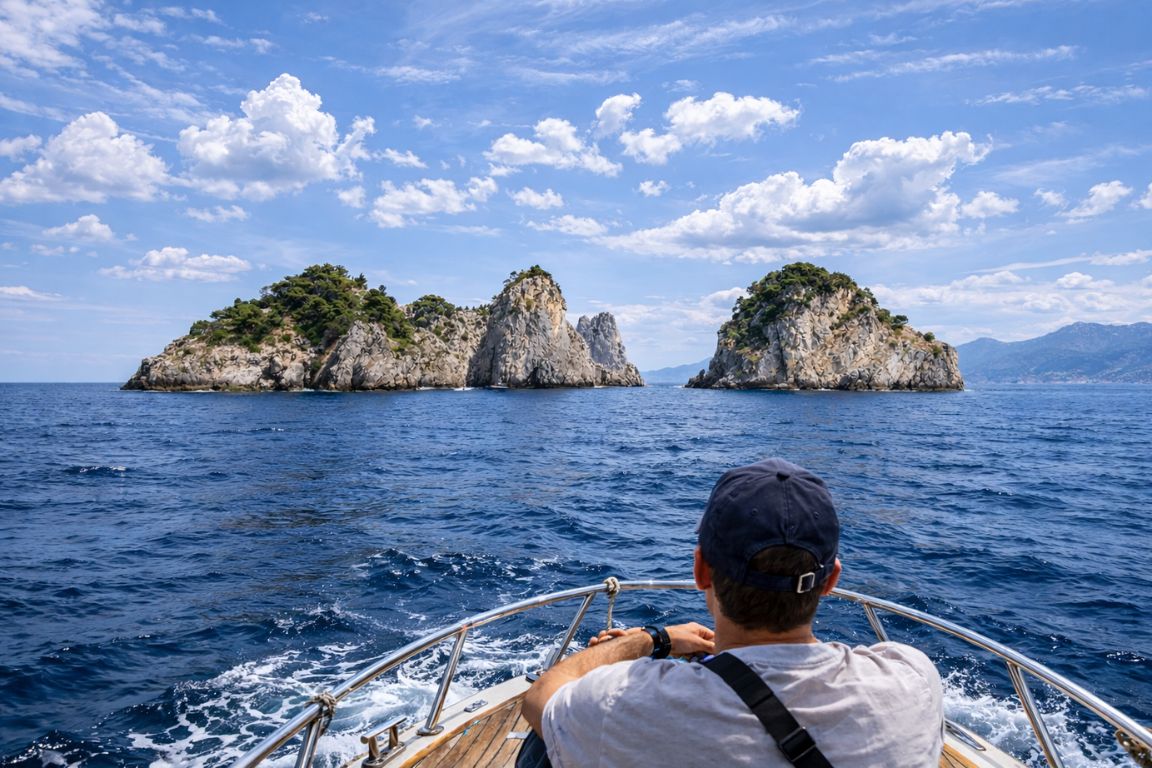
From a boat, you see cliff faces from 100 meters out. You photograph towns stacked up like Lego blocks. You swim in coves inaccessible by land and cruise past Furore Fjord and Li Galli islands. But you never see the Amalfi Coast’s single most dramatic viewpoint, which sits 350 meters above the sea in Ravello. No boat reaches it. Villa Cimbrone’s Terrace of Infinity doesn’t exist in your itinerary.
From a bus, you’re inside the experience. The winding coastal road delivers the view everyone recognizes from photos, that vertiginous perspective where the road clings to the cliff and the sea drops away below. You stop in all three major towns, including Ravello. But you’re watching the coast through a window while breathing diesel fumes, and in summer you’re doing it shoulder to shoulder with 40 other people. The bus never stops at hidden swimming spots because there’s nowhere to park.
A boat and a town visit answer different priorities. Choose the coast cruise if the water-level view and swimming matter most; keep a land visit to Ravello if the gardens are a highlight for you.
The perspective shift is real. On a boat, the coast becomes a painting you’re moving past. On a bus, you’re inside the painting but you’re also navigating switchbacks and watching your driver inch past oncoming traffic with 20cm of clearance. One is relaxing, one is thrilling. Pick based on your temperament.
| Coastal cliffs from water | ✓ (Main attraction) | ✗ |
| Hidden coves & swim stops | ✓ (3-5 stops typical) | ✗ |
| Positano, Amalfi access | ✓ (Dock at both) | ✓ |
| Ravello | ✗ (No water access) | ✓ (30min bus from Amalfi) |
| Furore Fjord, grottos | ✓ (Close-up from water) | Brief glimpse from road |
| Amalfi Drive experience | ✗ | ✓ (The famous road itself) |
Prices verified Feb 25, 2026 | Coverage comparison based on standard full-day itineraries
What’S The Real Cost Difference Between Boat And Bus?
The sticker price lies. Everyone sees that buses cost €10 and boats cost €90 and thinks the decision is obvious. Then they spend 90 minutes standing on a packed SITA bus in August inhaling diesel exhaust, and suddenly that €80 difference feels less compelling.
Here’s the actual cost breakdown. A 24-hour COSTIERASITA bus pass runs €10 and gives unlimited rides between all coast towns. But that’s just the ticket. Add only the refreshments or other extras you actually plan to buy. Motion-sickness treatment is a personal health decision, not a mandatory transport cost. Factor in that you’ll wait 30-60 minutes for the next bus during peak season, and you’re burning time that costs money if you’re on a tight schedule.
Public ferries split the difference at €16.50 Sorrento to Positano, €8 Positano to Amalfi. Round trip for two people runs €49. Comfortable, reliably timed, but you’re still just transportation with no guide, no swimming stops, and no prosecco.
Group boat tours run €80-139/person depending on duration. That sounds steep until you read what’s included: 4-7 hours, English-speaking guide, swimming stops with snorkel gear provided, prosecco and limoncello, soft drinks, sometimes lunch. You’re getting an experience, not just transport. When we price it out per hour, boats average €18-20/hour all-in. Public buses provide transport rather than a guided swimming excursion; compare those different purposes alongside the price.
Private boat tours cost €1,000-3,000 for the day, which makes solo travelers balk. But split between four people, you’re paying €250-750 each for a completely customized route, your own captain, and the ability to stop wherever you want for as long as you want. A private option can suit travelers who value more control over the itinerary, while I’ve had plenty of bus riders come back asking if they can redo the coast by boat the next day.
Travel time is part of the decision. Count waiting and connections for public transport, and count the journey to the meeting point for a tour. A higher price is worthwhile only if the experience fits what you want from that day.
Financial sweet spot for most travelers: Use public ferries (€25-35 for two people round trip) to get between towns if you’re on a tight budget and weather is good. Upgrade to a group boat tour if you have €160-280 as a couple and want the full experience. Save buses for reaching Ravello (€2.80 from Amalfi) or for evening returns when ferries have stopped running.
Not sure if you can afford it? Check out our honest take on is the Amalfi Coast expensive – the short answer is yes, but there are ways to make it work.
| Option | What to price | Check before comparing |
|---|---|---|
| Public bus | Current tickets or day passes for your actual route | Add only refreshments and extras you plan to buy; medication is not a mandatory bus surcharge. |
| Public ferry | Current outbound and return tickets for the party | Include luggage charges if applicable; this is transport rather than a guided swim outing. |
| Shared coast cruise | Current quote for every traveler | Check the selected route, drinks, gear and excluded transport. |
| Private boat | Whole-boat quote divided by your party size | Confirm fuel, skipper, port charges, food and any admission extras. |
| Ferry and bus combination | Sum of the actual transport legs | Check connections and last departures; add only your actual planned extras. |
Compare current provider quotes for your dates with the public transport fares for your route.
How Does Motion Sickness Factor Into The Decision?
If you get car sick, boats are not automatically better. I need to say that upfront because the assumption is wrong and it ruins trips.
The Amalfi Coast road has 1,200 curves between Sorrento and Salerno. SITA buses navigate them while passing oncoming traffic with centimeters to spare, occasionally stopping abruptly when a tourist steps into the road. If you’re prone to motion sickness, this is hell. The diesel smell makes it worse. Being unable to see the road ahead makes it worse. Standing because the bus is packed makes it worse. Motion sickness can occur on either road or sea journeys; published tour availability is not a promise of comfort.
But boats aren’t a free pass. On calm days between May and September, the Tyrrhenian Sea off the Amalfi Coast is smooth and boat tours report almost zero motion sickness. On windy days, especially in April or October, the sea gets choppy. Small boat tours under 12 meters rock noticeably. You’re pitching side to side for two to three hours. Some people who never get car sick discover they get seasick. The difference is you can’t get off a boat mid-trip.
Ferries handle rough water better than small tour boats because they’re larger and faster, but you still feel the motion. The advantage is ferries are point-to-point, so if you’re queasy the ordeal ends in 15-40 minutes depending on the route. Boat tours run 4-7 hours.
Real-world advice from someone who has dealt with this 800+ times: If you get car sick easily, boats are better in calm conditions but worse in rough seas. If you get seasick easily, buses are better despite the curves. If you get both, you’re in trouble and should consider a private driver who can stop when you need breaks and take the inland route via Agerola instead of hugging the coast.
Mitigation strategies that actually work: For buses, face forward and look toward the horizon. Ask a pharmacist or clinician about suitable motion-sickness medication and follow its directions. For boats, stay in the center of the vessel where motion is minimal, keep your eyes on the distant coastline, not on the water surface, and eat a light meal beforehand. Ginger candies help both. Do not rely on an unevidenced effectiveness percentage when choosing a motion-sickness remedy.
The worst possible scenario is taking a bus during peak traffic when it’s stop-and-go. Constant acceleration and braking on curves while surrounded by diesel fumes maxes out motion sickness. August weekends between 10am-4pm are notorious for this. If you must take a bus during summer, go before 9am or after 5pm.
Worried about the trip? Check out our guide on is the Amalfi Coast safe for tourists – it covers everything from those hairpin roads to crime rates to overcrowding issues.
What happens when you step into an Amalfi kitchen? Make local dishes in an Amalfi-area cooking class, with a choice of menus and a tasting of your work. Discover The Amalfi Cooking Menus
Which One Gives You Access To The Towns?
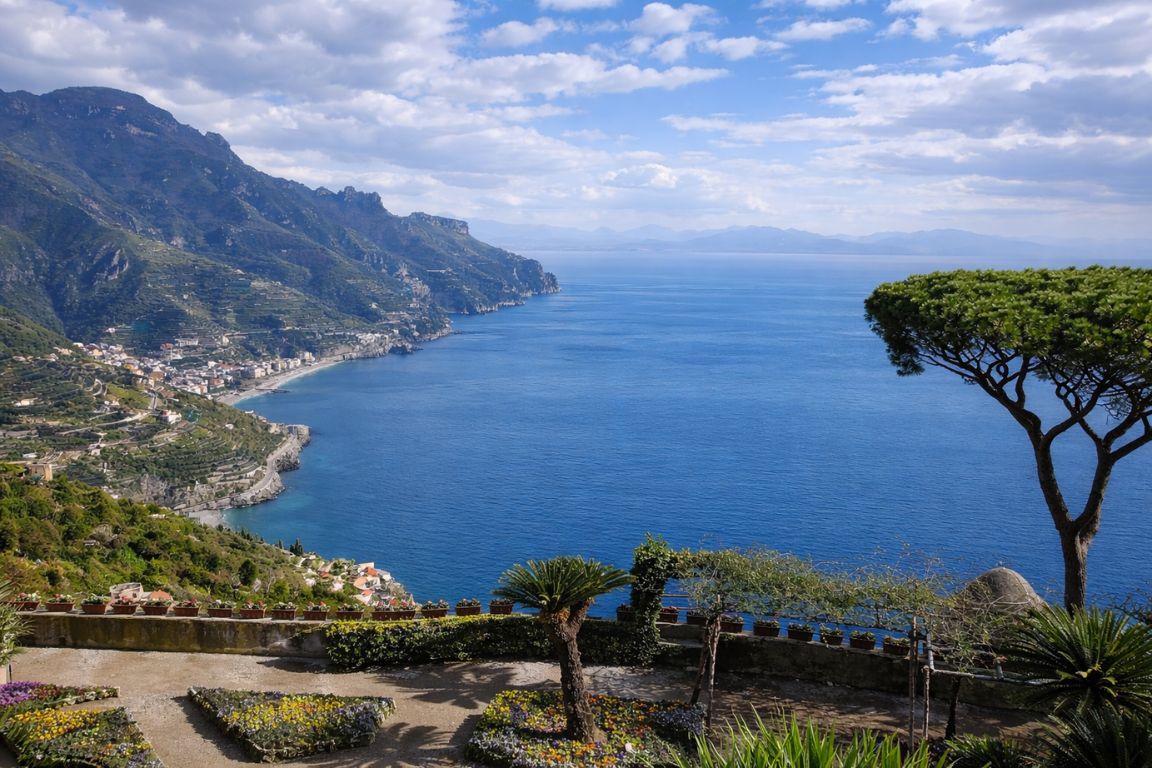
Town time varies by itinerary. Public transport lets you choose your stops around the timetable; an excursion has a listed route and return time that you should check before booking.
Standard group boat tours stop in Positano and Amalfi for 45-90 minutes each, depending on the itinerary. You dock, walk the main streets, maybe grab a quick lunch, then return to the boat. It’s enough to get the flavor but not enough to explore beyond the waterfront zone. You won’t make it up to the Chiesa di Santa Maria Assunta’s bell tower in Positano (takes 20 minutes round trip from the dock). You definitely won’t have time for both the Amalfi Cathedral and shopping. Pick one.
Buses give you more flexibility because you control your own schedule. Take the 9:30am from Sorrento to Positano, spend two hours, catch the 11:45am to Amalfi, spend three hours including lunch, take the 3pm to Ravello, spend 90 minutes, return. You’re building your own itinerary. The downside is you’re beholden to bus schedules, which run every 30-60 minutes depending on season. Miss a bus and you’re waiting.
The real access difference is Ravello. Buses reach it directly from Amalfi in 25 minutes (€2.80). Boats can’t. If Villa Cimbrone and Villa Rufolo are priorities, you need bus access at some point. Some of our clients solve this by taking a boat tour, then using buses or taxis on a separate day to visit Ravello.
Private boats give you maximum town access flexibility because you tell the captain what you want. “Give us 90 minutes in Positano, 30 minutes in Amalfi just to see the cathedral, and let’s swim for an hour at that cove near Conca dei Marini.” The captain adjusts. You’re in control. This is why private boats score highest in satisfaction despite the cost.
Practical town access tip: If you take a morning boat tour (typically 9am-1pm or 10am-3pm), you can extend your day by taking an evening bus back to Sorrento. Ferries stop running around 4-5pm depending on season. Buses run until 10-10:30pm. This gives you 3-4 extra hours to explore towns after the boat portion ends. Works brilliantly if you plan it, but most tourists don’t realize buses run later.
If you want to go beyond the standard tourist spots, here are the best things to do on the Italy Amalfi Coast tours that show you a different side of the coast.
| Group Boat Tour | 60-90 min | 60-90 min | Not accessible | 2-3 hours |
| Bus (Self-Planned) | 2+ hours (you decide) | 2+ hours (you decide) | 90+ min (you decide) | 5-8 hours |
| Ferry (Point to Point) | Until next ferry (1-2 hrs) | Until next ferry (1-2 hrs) | Bus required from Amalfi | 3-4 hours |
| Private Boat | You control | You control | Not accessible by boat | Flexible, 3-6 hours typical |
| Hybrid (Boat AM + Bus PM) | 60 min on boat | 90 min on boat + 2 hrs bus | 90 min via bus | 6-7 hours |
Times based on standard tour schedules and 2025 client itinerary data
What Does Weather Do To Each Option?
Weather can disrupt boat trips, and road closures can disrupt buses too. This is the factor that sinks more Amalfi Coast plans than any other, and almost nobody accounts for it until they’re standing at the dock being told their tour is canceled.
Boat tours can be canceled or rerouted because of wind, swell and other conditions. A sunny forecast does not establish safe docking conditions. Check the operator’s departure decision and the booking terms rather than relying on a monthly cancellation percentage or a universal wind-speed threshold.
Responsible operators don’t take you out in dangerous conditions, which means you get your money back but you’ve lost the day. Some will reschedule if you have another day available. Most travelers don’t. The backup plan becomes buses or nothing, and if you’ve already built your whole itinerary around a boat day, this creates problems.
Buses can be a useful alternative when boats are suspended, but severe weather, road closures and service disruption can affect them too. Check current operator notices before traveling.
Public ferries can also be suspended in rough conditions. Their size does not guarantee operation or comfort; check the actual route’s notices and keep a workable land alternative.
Strategic planning: If you’re visiting April or October and weather matters, book refundable boat tours and have bus schedules as backup. Summer departures can also be disrupted; check current conditions and the operator’s terms. If you absolutely can’t handle plan changes, buses are your safest bet even if they’re less appealing.
Rain specifically is rarely a problem. Boat tours run in light rain with covered areas available. Buses run in rain. The issue is heavy rain creates visibility problems on the coastal road, making the bus ride more stressful but not unsafe. I’ve never had a client cancel due to rain alone, but wind cancels 40-50 boat tours per season from our company.
If you want the full picture, here’s Italy Amalfi Coast tours by month so you can see what April looks like versus August or November.
Keep current public-transport information and operator cancellation terms ready; no transport mode guarantees operation in every condition. Plan an alternative route
How Do The Crowds And Timing Compare?
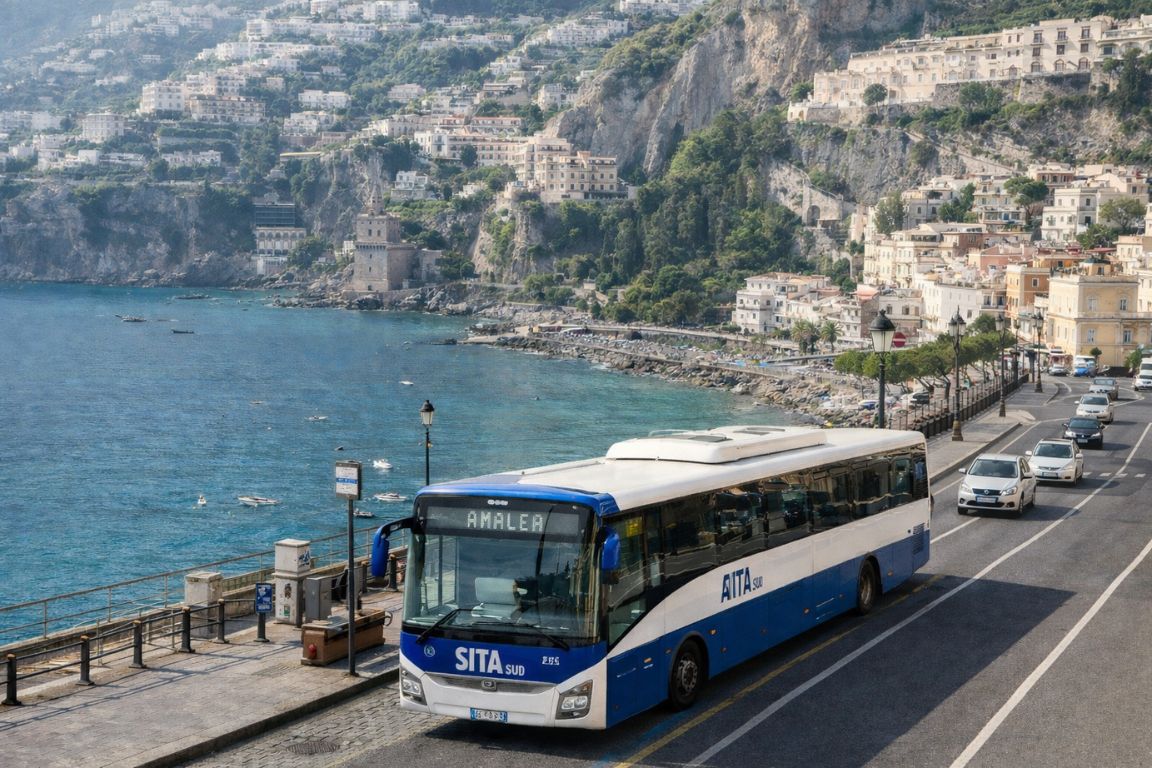
Buses are hell from June through August, boats are packed but tolerable, and both are pleasant outside high season.
SITA buses between Sorrento and Amalfi reach maximum legal capacity (around 70 passengers including standing) almost daily from mid-June through early September. The 9:30am, 11am, and 2pm departures are the worst. You board at Sorrento where the line starts and you get a seat. By the time the bus reaches Positano, it’s full and people at intermediate stops can’t board. They wait for the next bus, which is also full. I’ve seen tourists wait through three buses before getting on. Standing room only with backpacks and luggage, hot because the AC can’t keep up, diesel smell from the engine. It’s miserable.
Boat tours cap capacity at 10-12 people (small group) or 40-50 (larger tours). They don’t oversell. You have your spot, you have space to move around, you can sit or stand as you prefer. The crowding happens when too many people cluster at the front of the boat trying to photograph Positano, but the captain tells them to spread out and they do. Crowding is momentary, not the whole trip.
Public ferries hold 100-200 passengers and feel crowded when full but not unbearably so. You can usually find outdoor seating. The problem is standing passengers blocking views and the indoor areas getting stuffy. Still better than buses.
Consider earlier or later journeys to avoid the busiest part of the day, but do not assume a seat will be available. Check the tour’s group limit and current calendar rather than expecting an emptier boat at a particular hour.
Crowding and weather affect different parts of the decision. A reserved tour place does not remove crowds at boarding points or shore stops, while public transport requires a buffer for busy departures.
Best timing strategy: Visit April-May or September-October if you can. Buses are comfortable, boats rarely cancel, prices are lower. If you must come in summer, book a boat tour and skip buses entirely except for Ravello access. If budget forces you onto buses in summer, travel before 9am and after 5pm exclusively.
Want to see the coastline from water level? See the cliffs from the water and take swimming breaks, with snorkeling gear and drinks included. Discover The Four-Hour Coast Cruise
Can You Actually Combine Both In One Trip?
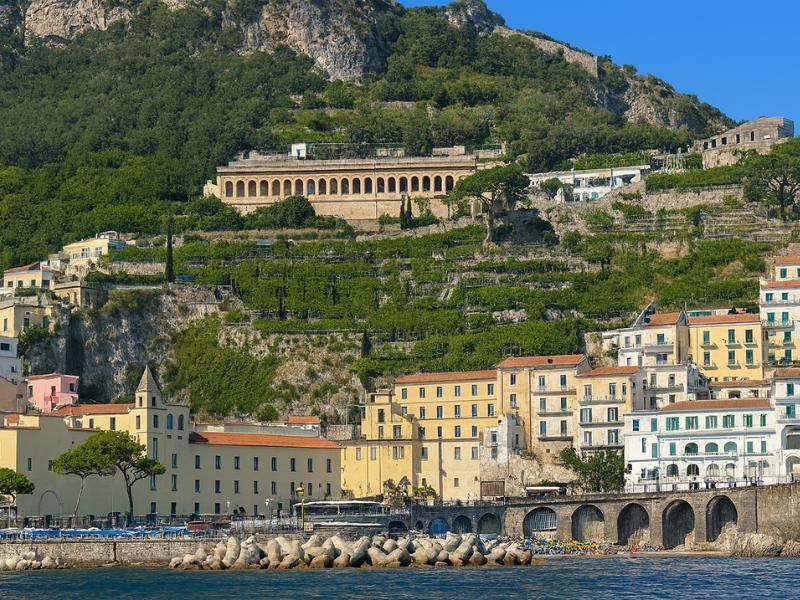
Yes, if the actual return time and onward connections leave room for both. Keep a separate Ravello day when combining a cruise and the hilltop visit would create a rushed schedule.
The classic hybrid is ferry or boat tour from Sorrento to Amalfi in the morning, spend time in town, then bus from Amalfi to Ravello and back to Sorrento in the afternoon. This gives you water views, swimming if it’s a boat tour, access to all three key towns, and costs less than a full-day private boat.
The logistics are tighter than people realize. Ferries from Sorrento to Amalfi run 9:30am-4pm with 3-4 departures daily depending on season. If you take the 9:30am ferry, you’re in Amalfi by 10:45am. You need to catch the bus to Ravello before 2pm if you want time to actually see the villas (they close around 5-6pm). That gives you two hours in Amalfi, 90 minutes in Ravello, and you’re taking the bus back to Sorrento by 4pm, arriving around 5:15pm. Doable but tight.
Alternative sequence: Bus from Sorrento to Positano (45 minutes), explore Positano for 90 minutes, take ferry from Positano to Amalfi (15 minutes), explore Amalfi, take bus from Amalfi back to Sorrento via the inland route if you’re done with coastal views. This works better if you want more town time and less water time.
Where hybrid breaks down: If you book a boat tour that doesn’t return until 2-3pm, you’ve missed the useful bus departure times to Ravello and you’re either rushing or skipping it. If you take a bus early to Ravello first, you’re stuck with return buses that drop you in Amalfi at 11am, too early for most boat tours that depart noon or later. The schedules don’t mesh perfectly.
Cost of hybrid versus single mode: Ferry to Amalfi €16.50, bus to Ravello €2.80, bus back to Sorrento €6.80 = €26.10 per person. Compare to €10 bus pass for unlimited rides (but you’re giving up the water perspective) or €90 for a boat tour (but you’re missing Ravello). Hybrid is middle-cost, middle-value.
For a boat-and-Ravello day, work backward from villa hours and the return to your base. Confirm where the boat finishes, allow time to reach the bus stop and leave a buffer; a private boat is flexible only within the operator’s agreed itinerary.
| Ferry AM + Bus PM | 9:30am-5pm | €26 | Water views, Positano, Amalfi, Ravello | Swimming stops, guide |
| Bus AM + Ferry PM | 8am-4pm | €27 | Ravello early (less crowded), Amalfi, water return | Positano water view |
| Boat Tour + Bus to Ravello | 9am-6pm | €93 | Full boat experience + Ravello | €€€ (expensive) |
| Private Boat + Bus | Flexible | €260-310 | Everything, custom schedule | €€€€ (very expensive) |
| Bus Only (2 days) | Two full days | €20 (2x€10 pass) | All towns, multiple visits, flexible | Water perspective, swimming |
Costs based on Feb 2026 pricing | Timing assumes April-October schedules
Place Ravello on a separate land leg and check actual returns before combining it with a cruise. Plan the Ravello visit
How Should You Choose For Your Own Trip?
The best choice depends on your priorities, trip length, budget and comfort with the journey. A boat outing buys water time; public transport buys flexibility; a town itinerary buys an organized route.
Use the following planning cases to decide what suits your party. These are editorial comparisons, not measured survey results.
With four or more nights, consider a coast cruise on one day and a separate land visit to Ravello. This gives each experience enough time without forcing tight connections.
With two or three nights, choose which matters more: a swimming-focused coast outing or time in the towns. Keep the other option for a later visit if both would crowd the schedule.
On a tight activity budget, use public transport and free walks. A guided cruise is an optional experience, not a requirement for enjoying the coast.
For motion sensitivity, assess road and sea journeys separately. Ask about the vessel, route and expected conditions, and consider a locally reachable land activity if you prefer to avoid both.
For children, check the exact product’s minimum age, boarding arrangements, life-jacket provision and swimming requirements directly with the operator. A general family preference cannot establish suitability.
The pattern is clear. Given time and budget, people choose boats. When constrained by either, they default to buses and make the best of it. The only travelers who genuinely prefer buses are those who specifically want the Amalfi Drive experience or who prioritize Ravello above all else.
Avoid the common planning compromise by naming your priority in advance. If the water view matters, reserve time for it; if Ravello matters, give the hilltop visit its own land connection.
Decision framework based on 12 years of feedback: If you have only one day and you have to pick one experience, take a boat tour and skip Ravello unless you’re an architecture enthusiast. If you have two days, do a boat tour one day and buses to Ravello the other. If you have three+ days, do both plus hiking or a cooking class. If you’re on a tight budget, buses work fine and you’ll still have a great trip, but if you can stretch to €90/person for one boat day, it’s worth it.
We’ve answered which Amalfi Coast boat tour you should actually book with details on what separates the good operators from the tourist traps charging twice as much.
| Your situation | Useful starting point | Decision to resolve |
|---|---|---|
| Four or more nights | A boat day and a separate Ravello visit | Leave time for both rather than compressing them into one day. |
| Two or three nights | Choose the water or the town day first | Which experience matters more to your limited time? |
| Tight activity budget | Public buses or ferries | Keep transport independent if a cruise would displace essentials. |
| Motion sensitivity | Assess road and sea travel separately | No vessel or route guarantees comfort; consider a locally reachable land activity. |
| Children in the party | Verify exact age and boarding requirements | A family label does not establish suitability. |
| Solo traveler | Compare per-person quotes | Check minimum participant rules and access to the meeting point. |
Editorial planning comparison. Choose from the actual itinerary, available time and your party’s requirements.
Use the comparison below to distinguish a swimming-focused coast cruise from an organized Sorrento town itinerary and a locally reachable cooking session. Check each listing’s group size, route and terms before booking.
Choose the outing before filling the rest of your day. Compare coast cruise and three-town day by departure points and the time each experience takes. Choose Your Coast Cruise Or Alternative
FAQ: Boat Tour Vs Bus Tour Amalfi Coast
What would you add to your independent day? Discover coast cruise and three-town day, with the guide, transport and experience included in each option laid out below. Discover Coast Cruise & Alternatives
Can I take a boat tour if I get seasick easily?
Motion sickness can occur even on a day when boats operate. Ask the operator about the vessel and expected conditions, and seek pharmacist or clinician advice about medication suited to you. A larger ferry is not a guarantee of comfort; a land activity is also an option.
Choose your class date and menu before making separate meal plans. Make local dishes in an Amalfi-area cooking class, with a choice of menus and a tasting of your work. Choose Your Amalfi Cooking Date
Do bus tours stop for photos along the Amalfi Drive?
Organized bus tours usually include 1-2 photo stops at scenic overlooks. SITA public buses don’t stop for photos; they’re point-to-point transport. If you want photo stops on the coastal road, book a tour bus or hire a private driver. Private drivers let you stop whenever you want.
Want Ravello as well as the waterfront towns? Visit Positano, Amalfi and Ravello on a guided day from Sorrento, with free time in the towns. Discover Positano, Amalfi & Ravello
How far in advance should I book a boat tour?
Check current departures once your travel dates are fixed. Group limits, time slots and cancellation terms vary by operator; no blanket booking window guarantees availability.
Choose your coast-cruise date before fitting in a separate Ravello visit. See the cliffs from the water and take swimming breaks, with snorkeling gear and drinks included. Choose Your Coast-Cruise Date
Can I combine a boat tour and Ravello visit in one day?
Yes, but timing is tight. Take a morning boat tour that returns by 1-2pm, then bus from Amalfi to Ravello (25min). You’ll have 90-120 minutes in Ravello before the villas close (5-6pm) and buses back to Sorrento run until 10pm. Works best with private boat tours where you control the schedule.
Confirm the boat’s return and Ravello transport separately before putting both on one day. Plan the land leg to Ravello
Are buses really that bad in summer?
July-August between 10am-4pm: Yes, they’re crowded, hot, and uncomfortable. You’ll likely stand, smell diesel, and fight motion sickness on the curves. Early morning (before 9am) and evening (after 5pm) buses are fine even in summer. April-June and September-October buses are comfortable.
Keep a ferry alternative and a realistic buffer for busy public buses, especially for timed connections. Review independent transport
Do boat tours include swimming stops?
Most do, usually 2-3 stops at hidden coves or near grottos. Swimming time varies: 15-30 minutes per stop. Snorkel gear typically provided. Some tours skip swimming in April-May when water is cold (16-18°C). Confirm itinerary when booking if swimming matters to you.
Want swimming time as well as a view of the coast? See the cliffs from the water and take swimming breaks, with snorkeling gear and drinks included. Discover The Four-Hour Coast Cruise
Can I get to Atrani or Praiano by boat?
Public ferries skip both; they’re too small for ferry docks. Do not plan to swim ashore as a transfer. Confirm permitted landing arrangements with the operator. Buses reach both easily. If you want to visit smaller towns, buses or car are better than boats.
Check each town’s current access rather than planning to swim ashore from a tour boat. Plan smaller-town access
What happens if my boat tour cancels due to weather?
Refund and rescheduling arrangements depend on the operator and booking terms. Cancellations may occur on the day; check the operator’s notification and refund terms. Have backup plans (bus schedules, taxi numbers) ready, especially in April and October when cancellations are more frequent.
Ready to experience the Amalfi Coast the right way? Whether you choose boats, buses, or a hybrid approach, we make sure you see the coast at its best without the usual tourist traps. Our small-group boat tours (max 12 people) include swimming stops at hidden coves, prosecco and limoncello, and English-speaking guides who share the stories you won’t find in guidebooks. Browse our boat and water tours or contact us to plan your perfect Amalfi Coast day.
By Vincent Moretti · Italy Amalfi Coast Tours
Awards: Travelers’ Choice 2024, Best Tour Operator Italy 2023
Have a free slot in your Amalfi stay? Check the cooking sessions before planning dinner elsewhere. Make local dishes in an Amalfi-area cooking class, with a choice of menus and a tasting of your work. Choose Your Amalfi Cooking Date