Is The Amalfi Coast Safe For Tourists?
Is the Amalfi Coast safe? Yes - violent crime is rare. The real risks are the SS163 road, 400+ summer stairs, and overpriced traps. Here’s what to watch for.
Plan around your own comfort, mobility and current local conditions. A guided activity can organize a route or add company, but no booking removes travel risk. Choose Your Experience Below.
Quick Facts: Amalfi Coast Safety Overview
Practical safety checklist: secure valuables on busy transport and at beaches; check written prices before paying; choose accommodation with manageable access; allow for heat and stairs; follow current weather warnings and transport notices.
Begin with a practical base and travel plan; a tour is optional rather than a safety requirement. Plan your base and connections
Is The Amalfi Coast Safe Compared To Other Italian Destinations?
Take the usual precautions for a tourist destination. This guide does not establish a measured crime-rate comparison with other Italian cities; plan around your route, accommodation access and current local advice.
The coast’s small towns and busy tourist areas can feel different from a large city. That atmosphere is not a guarantee against theft or other problems. Check prices and keep valuables secure as you would elsewhere.
Keep phones, wallets and passports secured while boarding crowded transport, and do not leave bags unattended on beaches. Basic precautions matter even in a place that feels relaxed.
Adjust your preparation to each part of an Italy itinerary. Crowded stations, beaches, steep town streets and remote paths create different practical concerns.
After dark, plan a well-lit route, take care on uneven steps and remain aware of your surroundings. Check the way back to your accommodation before going out.
A quiet village and a busy ferry terminal need different planning. Know your return route and where you can seek assistance rather than relying on a town’s reputation.
Use normal travel precautions without letting a safety comparison determine your whole itinerary. Transport access, current conditions and your own comfort are more useful planning inputs.
We’ve mapped out how to plan a trip to Italy Amalfi Coast tours based on what actually matters – transportation between towns, where to stay, and how many days you need.
For any destination comparison, use current national travel advice and local notices. An informal perception score is not a measured likelihood of a tourist experiencing crime.
Independent travel remains a valid choice. Know the route, return options and where you will keep valuables. Plan the car-free journey
What Are The Actual Safety Risks Tourists Face On The Amalfi Coast?
Practical concerns include road travel, summer heat, uneven steps, price transparency, theft in crowded places and weather-related disruption. Their importance depends on your itinerary and circumstances.
Separate price concerns from personal safety. Read the menu and bill carefully, and secure phones and wallets while using crowded transport.
The coastal road requires concentration around curves, narrow sections and mixed traffic. If you prefer not to drive, compare buses, ferries and an organized route; each still depends on current operating conditions.
Check current road notices and obey closures. Do not stop in the carriageway for photographs; use a designated stopping place only when it is safe and permitted.
You can choose not to drive and still travel independently. An organized outing handles its stated transport arrangements, while you remain responsible for reaching the meeting point and checking that the itinerary suits you.
The combination of summer heat and steep town streets deserves preparation. Carry water, plan breaks and avoid making a long climb the most rushed part of your day.
The tourist pricing landscape works like this. Restaurants with sea views in Positano charge premium rates: 16-22 euros for pasta, 35-50 euros for fish, 8-12 euros per cocktail. Three streets back from the water, identical quality pasta costs 11-14 euros. That’s not a scam, that’s market pricing for location. The scam happens when restaurants don’t clearly list prices, add unexplained service charges beyond the standard coperto (cover charge), or bring items you didn’t order then charge for them.
Read the menu for the cover charge and any service or terrace charge before ordering. If the bill differs from the agreed price or includes an item you did not order, ask the business to explain it.
Before accepting a tasting, ask whether it is free, what it includes and whether a purchase is expected. Compare bottle prices and decline if the sales pressure makes you uncomfortable.
Keep bags closed and valuables secure on crowded ferries, buses and town streets. Do not leave valuables unattended while swimming or relaxing on a beach.
These precautions can reduce exposure to theft but cannot guarantee prevention.
Plan for the situations on your own route: secure belongings during transfers, allow rest on long climbs, check the written bill, and follow current weather and transport notices.
Is The Amalfi Coast Safe For Solo Female Travelers?
Solo travel is possible with ordinary preparation. Choose accommodation with a manageable arrival route, plan transport home and use personal precautions appropriate to the setting.
Avoid assuming that a small town guarantees a particular experience. Read recent accommodation information and plan the route you will use after dark.
A central location may make it easier to reach restaurants and transport. Check the actual entrance, lighting and stairs rather than judging access from the town name alone.
If company is part of what you want from an activity, a shared class or farm visit may appeal. Treat it as an optional social experience, not a requirement for solo travel.
Trust your judgment about unwanted attention. Move to a populated place or seek assistance if an interaction makes you uncomfortable.
Check the route home before an evening out. Lighting, stairs, transport and the location of your accommodation matter more than a blanket assurance about midnight walking.
On public transport, keep valuables secured and plan the return connection. Crowding can make boarding and finding space more difficult.
For a hotel or rental, confirm check-in arrangements, entrance access and how to contact the host. A central address can simplify an evening return, but inspect the actual route.
The practical advice we give solo women: use the same street awareness you’d use anywhere (don’t leave drinks unattended, keep valuables secure, stay in populated areas), but don’t operate from a place of fear or hyper-vigilance. Plan accommodation access and your journey home, secure valuables and follow the same personal precautions you would use elsewhere.
Solo-travel planning: confirm accommodation access, keep emergency contacts available, plan the return journey, secure belongings and choose optional shared activities for the company or instruction they provide.
What Should Americans Know About Safety On The Amalfi Coast?
American visitors should check the current U.S. travel advisory for Italy and local authority notices before travel. Do not assume national advice excludes a coastal itinerary.
Use the same practical preparation regardless of nationality: current travel advice, secure belongings, clear transport arrangements and an emergency contact plan.
Visible security measures differ between places and do not by themselves establish a level of risk. Follow local instructions at stations, ports and attractions.
A relaxed setting is not a reason to leave valuables unsecured. Keep your normal travel habits even when nearby residents appear more informal.
Before travel, check your insurance and how to obtain medical help locally. In an urgent situation, seek local emergency assistance rather than relying on a fixed hospital journey time from this guide.
Check written prices, itemized bills and agreed taxi or transfer charges. These habits are useful for all visitors and do not depend on nationality.
Save your accommodation address, essential contacts and any information you need to communicate. Offline translation can help with routine conversations but should not be your only emergency plan.
For sightseeing, compare the actual departure point and itinerary. A day starting in Sorrento is a different booking from a Naples departure and does not replace an airport transfer.
Keep arrival arrangements and emergency contacts separate from sightseeing decisions. Review practical arrival planning
How Can You Avoid Tourist Scams And Overcharging?
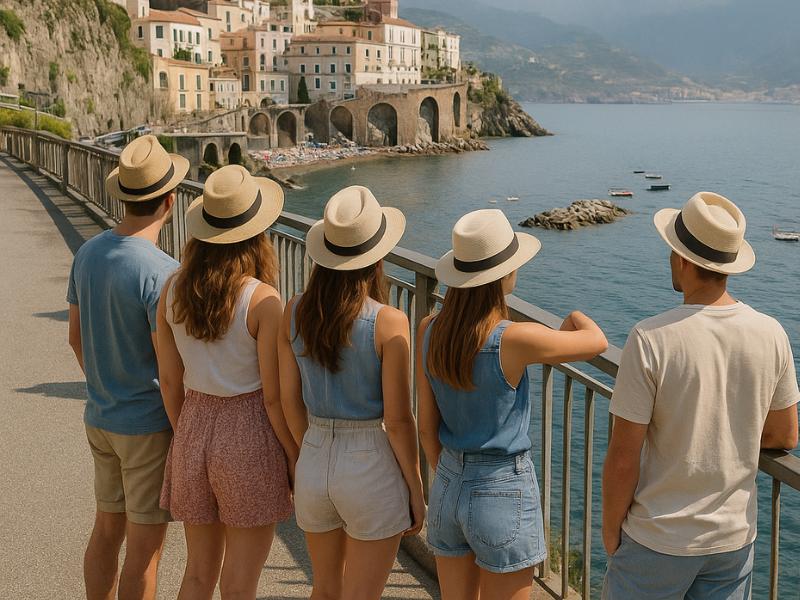
The scams on the Amalfi Coast aren’t sophisticated criminal enterprises, they’re aggressive business practices that cross ethical lines. Restaurant overcharging, fake product “factories,” inflated hotel charges, and pressure-selling disguised as hospitality. Checking written prices, bills and booking terms can reduce the chance of problems, but no precaution guarantees prevention.
Let’s categorize what you’re actually facing. Category one: legal but inflated pricing. A restaurant charging 18 euros for pasta that costs 11 euros three streets inland isn’t committing fraud, it’s charging for location and view. You can avoid it by walking further from the water, but if you choose to pay for the view, that’s a transaction not a scam. Category two: deceptive pricing that crosses into scam territory. Adding unexplained charges to bills, bringing items you didn’t order, charging rates not posted on menus. This is where you need to push back.
The restaurant pricing landscape works in tiers. Tier one (waterfront Positano and Amalfi, prime locations): expect 15-22 euros for pasta, 35-55 euros for fish, 8-12 euros per cocktail, 4-8 euros coperto. These prices are absurd by local standards but they’re posted and transparent. Tier two (side streets, one level up from water): 11-16 euros pasta, 22-35 euros fish, 5-8 euros cocktails, 2-3 euros coperto. Tier three (towns like Praiano, Minori, Atrani): 9-13 euros pasta, 18-28 euros fish, 4-6 euros cocktails, 1.50-2.50 euros coperto.
We’ve created a detailed Amalfi Coast food guide because the region has specific specialties you won’t find elsewhere in Italy – and most tourists miss them.
The scam happens when tier one restaurants don’t post prices, add phantom charges, or engage in bait-and-switch (menu shows one price, bill shows higher). Our defense protocol for clients: always check the posted menu outside before entering, verify all charges on the bill against the menu prices, question anything that doesn’t match, and if the restaurant refuses to explain or correct obvious overcharges, pay with credit card (creates dispute trail) and report to your card company.
Ask to see prices before ordering and keep the bill or booking confirmation. If a charge is unexplained, seek clarification from the business and contact the payment provider if you need to raise a dispute.
The limoncello tasting scam runs a specific playbook. Someone outside a shop (often between Sorrento and Positano) invites you to “see our artisan factory” or “free limoncello tasting.” You enter what looks like a factory but is actually a retail shop with a small production area in back. They pour several limoncello varieties. You taste. Then: “Which bottle would you like? This batch is 42 euros, this premium one is 55 euros.” The pressure builds. “You must buy at least one bottle to thank us for the tasting.”
Compare the size, ingredients and price before buying limoncello. A tasting does not oblige you to buy unless you agreed to a charge or purchase condition beforehand; decline pressure politely.
Hotel and accommodation overcharging takes a different form. The pattern: you book for X amount, you check in, staff mentions additional charges not in the original booking (“cleaning fee if you don’t pay cash,” “key deposit,” “tourist tax beyond the legal amount”). Or charges appear on your credit card after checkout that weren’t authorized. This is fraud, not aggressive pricing, and it’s rare but it happens.
Keep the accommodation confirmation and full price breakdown, inspect the checkout bill and contact the business or payment provider about a charge you do not recognize.
Use licensed taxis or a clearly identified transfer provider. Check the applicable fare or agree the full quoted amount, route and extras before departing.
Check prices before committing, compare bills with agreed charges and keep records of substantial purchases. These steps help address problems but cannot guarantee that one will not occur.
Price-transparency checklist: read menus and cover charges; ask about tasting conditions; retain hotel confirmations; confirm taxi or transfer fares; check the named tour operator, itinerary and cancellation terms.
What would you add to your independent day? Discover amalfi cooking class and sorrento farm visit, with the guide, transport and experience included in each option laid out below. Discover Amalfi Cooking Class & Alternatives
Is Driving The SS163 Coastal Road Actually Dangerous?
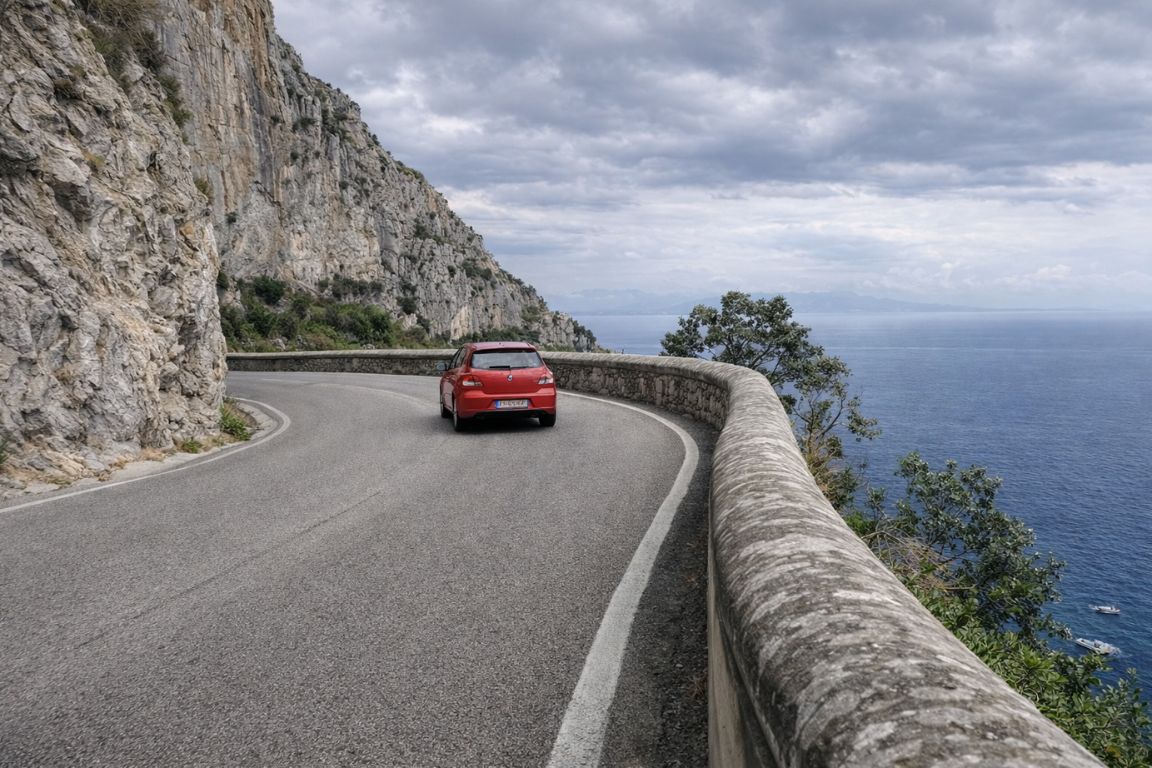
Driving the SS163 can be demanding because of its curves, narrow stretches and mixed traffic. If that does not suit your experience or comfort, consider public transport or an organized route. No option eliminates travel risk.
Let’s establish baseline facts. The Strada Statale 163 Amalfitana runs 50.36 kilometers from Vietri sul Mare to Positano. The road is carved directly into the coastal cliffs, with the Tyrrhenian Sea dropping away on one side and rock walls rising on the other. The route features hundreds of hairpin turns, many blind corners, and sections where the road narrows from two lanes to barely one lane. Protective guardrails exist in newer sections but older stretches have inadequate or no barriers.
Use current road notices for your dates. An old accident total or an unverified ranking does not establish the risk of a particular journey.
Allow for other vehicles and avoid sightseeing while driving. A route with curves and limited stopping places needs attention even when traffic appears light.
The specific dangers: blind curves where you can’t see oncoming traffic until you’re committed to the turn, sections where buses need both lanes to navigate hairpins (buses honk to warn oncoming traffic, but tourist drivers often don’t understand the protocol), parked cars on roadside creating even narrower passages, motorcycles and scooters passing aggressively in tight spaces, and the psychological pressure of cliffs and drop-offs affecting driver judgment.
If you are unsure about driving narrow coastal roads, compare the practical alternatives before renting a car. Include the full route, parking and return connection in that decision.
The clients who drive successfully tend to share characteristics: experienced with challenging mountain roads in other regions, comfortable with manual transmission and narrow European roads, traveling in off-season when traffic is lighter, starting very early morning (6-7am) before tour buses and day-trippers hit the road, and maintaining defensive driving mindset rather than sightseeing while driving.
The clients who have bad experiences: unfamiliar with European narrow roads, trying to sightsee and drive simultaneously, traveling in summer peak season (June-September), departing mid-morning when traffic peaks, driving larger vehicles (SUVs particularly struggle in narrow sections), and underestimating the mental stress of sustained concentration on winding roads with no margin for error.
A driver can handle the driving task and let you focus on the scenery. That convenience does not guarantee an accident-free trip or remove the effect of road closures.
The alternative transport options work well. Ferries run April through October connecting all major towns (Sorrento, Positano, Amalfi, Salerno), offering spectacular views from the water without road stress. A private driver handles the driving task, but road conditions and travel risks still apply. Compare current quotes and access needs. SITA buses are crowded and slow but the drivers navigate expertly and the per-person cost is minimal. A comparison of boat tours and bus tours is the practical way to move between towns without driving the SS163 yourself.
If you absolutely must drive yourself: rent the smallest car available (Fiat 500 or similar), practice on easier roads first, leave before 7am to avoid traffic, use pull-offs to let aggressive drivers pass, don’t stop in the road for photos (use designated viewpoints), stay in right lane on curves to give buses maximum space, listen for bus horns warning of blind approaches, and accept that the drive will be stressful even if accident-free.
If you’re skipping the rental, here’s the complete breakdown of Italy Amalfi Coast tours without a car so you understand all your transportation options between towns.
Road planning: assess your driving experience, check current restrictions and closures, allow for traffic and parking, and compare a public-transport route if you prefer not to drive.
If you prefer not to drive, compare public transport and organized routes without treating any option as risk-free. Compare alternatives to driving
What Natural Hazards Should Tourists Be Aware Of?
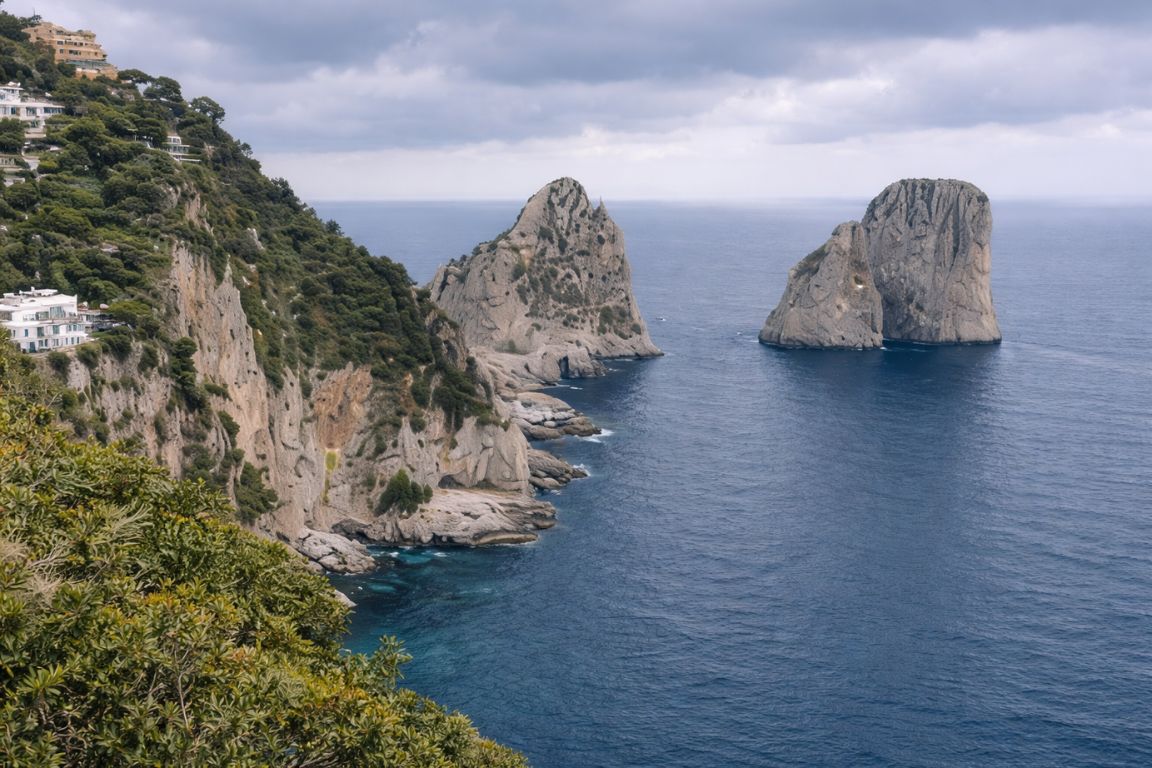
Heat, uneven terrain and weather-related road or path closures are practical considerations. Check current local notices and adjust the day when conditions do not suit the route.
The heat hazard is straightforward but frequently underestimated. July and August temperatures regularly hit 28-30°C (82-86°F), with occasional spikes to 32°C (90°F) or higher. Combined with humidity from sea proximity and the vertical architecture of towns like Positano, Amalfi, and Ravello, the heat creates genuine exhaustion risk. The towns aren’t flat Mediterranean beach resorts where you stroll on level ground. They’re vertical climbing challenges disguised as charming villages.
Long stair climbs can be tiring in summer heat. Plan rest and water, reduce the climb if needed and seek medical assistance if you feel unwell rather than pushing through to keep an itinerary.
Heavy rain can disrupt roads and paths on steep terrain. Follow local closure notices and do not enter a closed route.
Severe weather can affect both road and ferry travel. Confirm current conditions before setting out, especially when your return depends on a single route.
During a severe-weather warning, follow local instructions and postpone or alter the outing as advised. Booking a tour is not a substitute for those instructions.
Rockfalls and debris can cause closures on cliffside routes. Check the current route notice instead of interpreting an old technical study as clearance for travel.
Follow ANAS and local authority road notices, and do not pass a closure to preserve a sightseeing plan.
For earthquake preparedness, use current official guidance and follow local instructions if an event occurs. This guide does not assess the seismic risk of individual accommodation.
The Path of the Gods has uneven and exposed terrain. Choose the route for your hiking experience, current conditions and available time rather than assuming the views imply an easy walk.
Wear appropriate walking footwear, take enough water for the weather and duration, and plan a route within your capabilities. A guide can provide context and route support, but cannot establish personal medical suitability.
A class on a day already spent in Amalfi can be a land-based alternative. Check how you will reach it, because travel from another base may still involve the coastal road or a ferry.
Planning ahead? Our guide to the best time to visit the Italy Amalfi Coast tours breaks down high season chaos versus shoulder season calm and what you actually experience each month.
Seasonal preparation: in hot weather, reduce strenuous midday walking and plan breaks; in heavy rain, check closures; on a boat day, follow the operator’s current advice; on hikes, check access and match the route to your experience.
Leave flexibility for local warnings and closures. A land activity is not permission to travel during severe weather. Plan for seasonal conditions
Frequently Asked Questions
Choose the outing before filling the rest of your day. Compare amalfi cooking class and sorrento farm visit by departure points and the time each experience takes. Choose Your Amalfi Cooking Class Or Alternative
Is the Amalfi Coast safe at night?
Plan a well-lit route and check the return to your accommodation. Take care on uneven steps, keep belongings secure and seek assistance if a situation feels unsafe.
Check the route back to your accommodation, lighting and stair access before choosing an evening plan. Compare practical accommodation locations
What’s the crime rate on the Amalfi Coast compared to other Italian destinations?
This guide does not provide a verified tourist crime-rate comparison. Use current official travel advice and normal precautions rather than relying on an informal score.
Check current travel advice and prepare for the actual route and accommodation you choose. Review the planning essentials
Should I avoid driving on the SS163 road?
If you prefer not to drive narrow, winding roads, compare buses, ferries or an organized day. Check each route’s operating conditions; professional driving is not a guarantee against incidents.
You can avoid driving while still choosing your own schedule; compare the bus and ferry connections. Plan an independent car-free day
Are there pickpockets on the Amalfi Coast?
Keep valuables secure in crowded areas and do not leave bags unattended on beaches. This guide does not establish a measured local pickpocketing rate.
Plan the transfer with your bags and return connection in mind; keep valuables secured while boarding. Review transport logistics
What scams should I watch out for?
Check menu and booking prices, ask about tasting conditions and review bills for unexplained items. Keep records and contact the business or payment provider about a charge you do not recognize.
Curious how the alternatives differ? Explore amalfi cooking class and sorrento farm visit through departure points and the time each experience takes. Discover Amalfi Cooking Class & Alternatives
Is it safe to travel to the Amalfi Coast alone as a woman?
Choose accommodation and transport arrangements that suit your comfort, plan the route home and use normal personal precautions. A shared activity is optional if you would enjoy company.
When is the Amalfi Coast most dangerous from natural hazards?
Check local weather and closure notices for the actual date. Hot weather affects strenuous walking, while heavy rain can disrupt roads and paths; the season alone does not determine whether an outing is suitable.
Use the season to plan flexibility, then check official local warnings close to departure. Review seasonal planning
How safe are the ferries and public transportation?
Follow service notices and operator instructions, allow time for boarding and secure belongings. A running ferry or bus is not a guarantee of an incident-free journey.
Check the operator’s service notices and your backup connection; do not rely on blanket safety or reliability claims. Plan bus and ferry connections
Are Americans specifically targeted for crime on the Amalfi Coast?
Use current travel advice and practical precautions for your itinerary. This guide does not establish a nationality-specific crime risk.
Before booking, check the starting point, route and return arrangements.
Choose an organized activity for the guidance, company or logistics it provides, and confirm that its actual demands and location suit your party.
Plan Your Trip with Italy Amalfi Coast Tours
Written by Vincent Moretti
Italian (Amalfi Coast) tour guide since 2012 · Founder, Italy Amalfi Coast Tours
Vincent has guided over 6,800 travelers along the Amalfi Coast and throughout southern Italy since founding the agency.
A clear arrival and return plan is useful regardless of nationality. Review practical trip planning