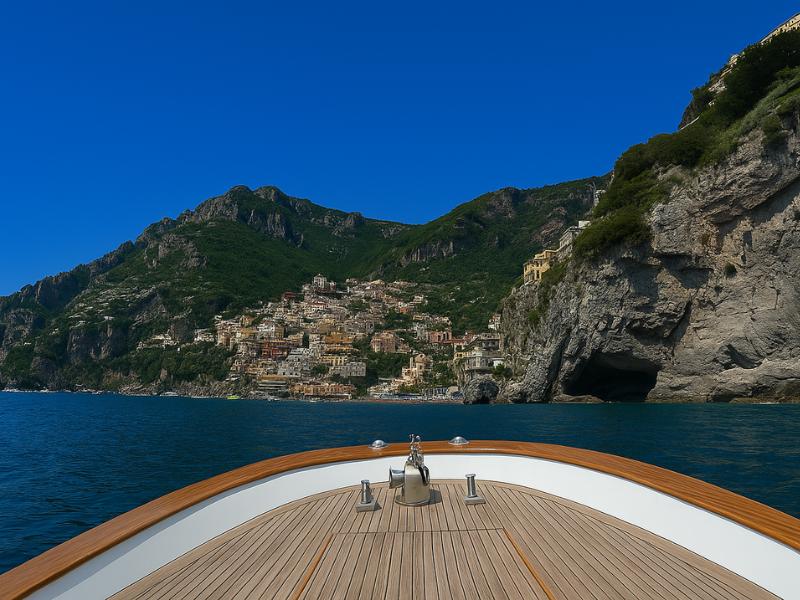
Is The Sea Rough On The Amalfi Coast?
Is the Amalfi Coast sea rough? Summer is calmest—June to September offer the best ferry and boat reliability. Here’s when conditions turn unpredictable.
A seasonal average cannot decide whether a particular sailing or swim is suitable. Keep the operator’s current advice central and compare a coast outing with a reachable land activity. Choose Your Experience Below.
Sea-planning essentials: the month helps with broad planning, but the exact route, vessel, weather and docking conditions determine the day. Check your operator’s current sailing advice and retain a workable alternative.
Use the travel month for planning, then check the operator’s current service advice. Keep a flexible alternative, and never use a simple wave-height number as permission to swim or sail. Explore the Amalfi or Positano coast cruiseExplore the Amalfi or Positano coast cruise.
Is The Sea Rough On The Amalfi Coast Year-Round?
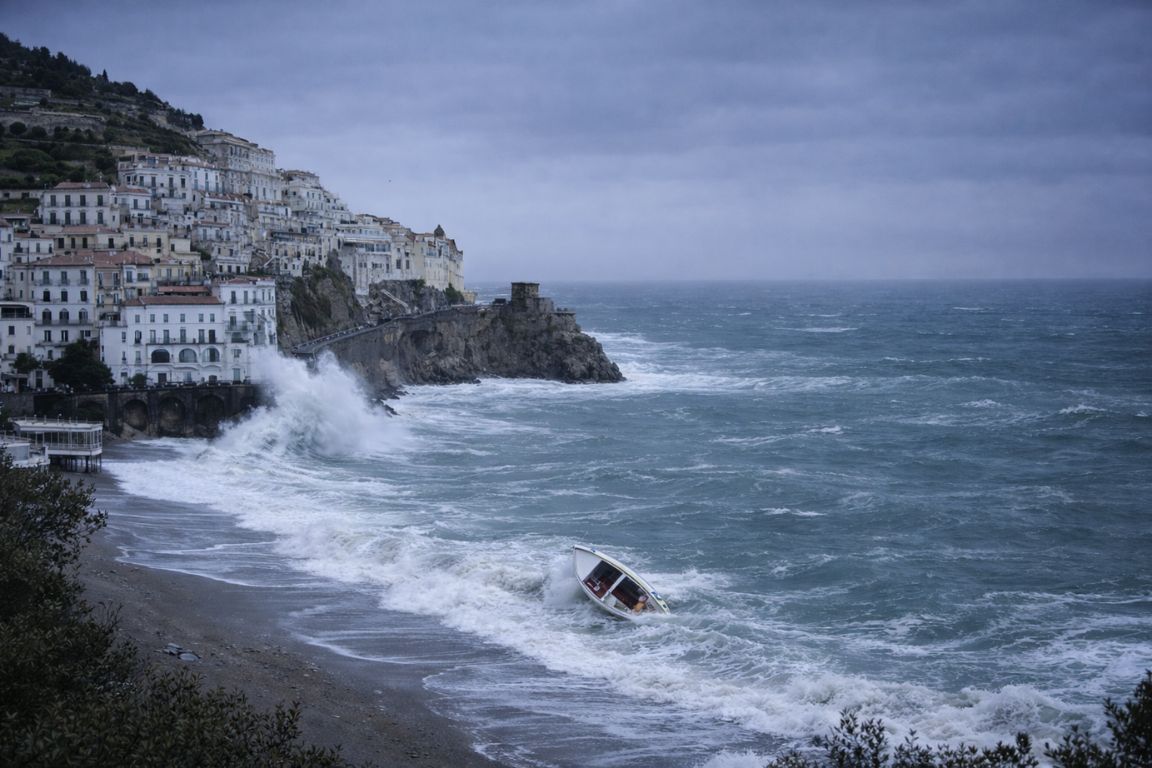
No, the sea is not rough year-round. Summer is often a practical window for water activities, but conditions can change in any season. Check the actual sailing and keep flexibility in the itinerary.
Open-water swell and local wind can affect the coast even when the sky looks clear. A photograph or a sunny forecast does not tell you whether a particular route will operate.
The sea here doesn’t follow a simple “summer calm, winter rough” binary. Wind direction and pressure systems dictate conditions more than the season itself. A September Sirocco can kick up bigger waves than a January Tramontana. The difference is frequency. Winter months deliver rough conditions more often, but they’re not a given. Summer delivers calm more often, but it’s not guaranteed.
Summer can suit water activities, but boat tours and ferry journeys still need a backup plan. Check current service information and local swimming advice for the day.
September still holds well, though you’ll start seeing more variability toward the end of the month. Early October can surprise you with perfect conditions or catch you with the first autumn storms churning up the water column. By mid-October, the sea starts mixing surface warmth with colder subsurface layers, creating chop that looks deceptively mild from land but feels different in a small boat.
Winter is when the Tyrrhenian earns its reputation. November through February brings the Libeccio and Maestrale winds that can sustain 30-40 knots for days. When those systems move through, ferries shut down, beaches empty, and the coast reverts to what it looked like before tourism: dramatic, powerful, and fundamentally uninviting for casual water activities.
We’ve mapped out the best time to visit the Italy Amalfi Coast tours month by month so you know when the weather peaks, when prices drop, and when the roads get unbearable.
Which Months Have The Calmest Waters Along The Amalfi Coast?
June, July and August are often favored for boating, while spring and autumn call for more flexibility. No monthly average guarantees calm conditions for a booked departure.
July may suit a summer boat itinerary, but check the operator’s current service advice rather than assuming cancellations cannot happen.
June runs almost as smooth, though you’ll catch occasional tail-end spring weather patterns rolling through. Early June especially can still see lingering systems from May. By mid-June, conditions settle into summer’s rhythm. August matches July for calmness but adds heat and crowds. The water itself? Just as cooperative.
Month planning: spring may bring cooler water and variable conditions; summer can suit water-focused days; autumn needs flexibility around changing services; winter requires checking whether the route operates at all.
May and September work well if your plans accommodate flexibility. You’ll get decent conditions more often than not, but you need a backup plan for the days that don’t cooperate. May’s water still carries winter’s chill at 18-19°C, comfortable for some swimmers but bracing for most. September’s water has spent all summer warming up, hitting 24-25°C, which makes it far more inviting even on the occasional choppy day.
October can offer pleasant days as well as disruptive weather. Check service availability and local swimming advice rather than treating water temperature as a safety test.
If you’re planning a coastal itinerary that depends on ferries or boat activities, June through early September gives you the most breathing room. Outside that window, assume some days won’t cooperate and build flexibility into your schedule.
Need specific month details? I’ve got Italy Amalfi Coast tours by month broken down so you know exactly what to expect in terms of weather, crowds, and prices throughout the year.
Choose the season for your priorities but leave room to move the boat day if the operator changes the sailing. Compare boat-tour months
What Makes Amalfi Coast Waters Rougher Than Other Mediterranean Destinations?
The exact route’s exposure matters more than a broad comparison with other Mediterranean destinations. Wind, swell and docking conditions can vary along the same coast.
Start with the coastline’s orientation. The Amalfi Coast doesn’t sit in a protected bay or behind island chains like many celebrated Mediterranean beaches. It angles southwest into open water. When prevailing winds blow from the south, southwest, or northwest, they push directly onshore with nothing to break their momentum. Compare this to the eastern Adriatic coast or the French Riviera’s sheltered bays, and the exposure difference becomes obvious.
Water depth, coastline shape, wind and swell all contribute to local conditions. A general geographic description cannot determine whether your particular boat trip is suitable.
Mediterranean wind systems hit here with particular force. The Sirocco originates over the Sahara, picks up moisture crossing the Mediterranean, and often tracks straight into the Campanian coast. When it blows hard, it generates sustained southeasterly winds of 25-35 knots that pile up waves against the shoreline for days. The Libeccio, a southwesterly wind system, does the same from a different angle. Both create conditions that make ferry operators nervous and swimmers rethink their plans.
The Maestrale, blowing from the northwest, brings different problems. It’s typically a cooler, drier wind that follows cold fronts. While it can generate significant wave height, it also clears the air dramatically. You get those deceptive days where the sky looks perfect, visibility extends for miles, but the sea runs with 1.5-2 meter swells that shut down smaller boat operations.
The cliff geography amplifies everything. Waves rebound off the vertical rock faces, creating interference patterns and localized chop that doesn’t show up in offshore forecasts. What reads as “moderate sea” on a weather app can feel considerably rougher in the water between Positano and Amalfi, where reflected wave energy crosses with incoming swell.
Other Mediterranean destinations also have exposed routes and sheltered locations. Compare the actual route and operator advice rather than assuming an entire region is calmer.
Route exposure matters alongside weather; compare the experience you want on water with a land-based day. Compare boat and land formats
How Does Rough Sea Affect Ferry Services Between Coastal Towns?
Ferry cancellations depend on the vessel, route and approach conditions at the ports. One route can stop while another runs, and an outbound sailing does not guarantee the return.
A ferry may be unable to use a particular pier even when the sea looks manageable from shore. Check the service notice for your specific departure and destination.
Different vessel types have different operating limits. Do not assume a hydrofoil or ferry will run solely because another type is operating.
Docking conditions matter as well as open-water conditions. Use the operator’s decision for the actual route rather than a general wave-height cutoff.
If a route is cancelled, confirm another operating connection before travelling. If the return is uncertain, revise the day; a larger boat is not automatically a suitable substitute.
Timing matters more than most travelers realize. Conditions often build through the day as thermal heating generates afternoon wind. A morning ferry from Salerno to Positano might run smoothly at 9am. By 2pm, the return route could be cancelled. This catches people who assume a running morning service means reliable afternoon service. It doesn’t.
Cancellation notice can arrive close to departure. Check the operator’s current updates before leaving and again before a critical return connection.
Buses or private road transport may provide alternatives to a cancelled ferry, but weather and road closures can affect them too. Confirm that your entire alternative route is operating before travelling.
If you’re planning a day trip from the coast to Capri and ferry conditions look marginal, reconsider. Getting stranded on Capri overnight isn’t the worst fate, but it’s expensive and disruptive. Ferry operators weren’t joking when they told travelers “then you stay overnight on Capri” as their contingency plan.
Check the actual cancelled route and your remaining return options before setting out. Plan a car-free backup route
Can You Still Swim When The Sea Is Choppy?
No single wave-height threshold establishes safe swimming. Follow beach flags, lifeguard advice and local restrictions, and stay out if conditions are uncertain.
Conditions that look mild from the beach can feel different in the water. Follow the local swimming guidance and do not use distance from shore as a safety rule.
Water entry and depth vary by beach. Check the actual access and local conditions before deciding whether it suits your party.
Read the flag information at the beach and follow lifeguard instructions. Do not infer the meaning of a flag from a wave-height estimate.
After a storm, follow current beach restrictions and lifeguard advice. A calmer-looking surface does not establish that swimming is suitable.
October through March presents the biggest visibility gap between conditions and safety. Water temperature drops to 14-18°C, cold enough to affect swimming performance even in moderate chop. Your muscles don’t respond as quickly in cold water. Fatigue sets in faster. What feels like a brief swim in July becomes taxing in November.
Some beaches handle chop better than others based on their orientation and protection. Marina Grande in Amalfi sits in a more protected cove than Positano’s Spiaggia Grande, which faces directly into prevailing swells. Maiori’s long beach offers more gradual entry than the steeper drops at smaller coves. If conditions look marginal, choosing your beach matters.
Families should check the current conditions, supervision needs and beach guidance. Do not infer child suitability from how comfortable an adult feels in the water.
Before you book, you might want to know is the Amalfi Coast safe for tourists – especially if you’ve heard stories about the dangerous coastal roads or pickpockets in peak season.
Choose a beach with appropriate access and follow local flags and lifeguard advice; the guide does not certify swimming conditions. Compare beach access options
What Do Sailors And Local Captains Say About Reading The Water?
Operators assess the route, vessel, current conditions and forecast together. Ask about your specific sailing rather than reading a clear sky as evidence that it will run.
Look at forecast changes as well as the current view from shore. Wind and swell are both relevant, but no simple timing rule predicts your sailing.
Forecast trends can signal a change in conditions. Use the operator’s assessment rather than treating a barometer reading as a booking or cancellation rule.
Haze or a change in wind can be a reason to check the forecast again. It is not by itself a reliable way for a visitor to predict a cancellation.
Captains distinguish between wind waves and swell. Wind waves are the short-period chop generated by local wind. They build and die quickly. Swell is long-period wave energy that traveled from distant weather systems. A smooth sea with steady swell means a storm happened somewhere else days ago. That swell persists regardless of local wind. When you see long-interval swells (10+ seconds between wave sets) on an otherwise calm day, it’s telling you the Tyrrhenian is active offshore even if local conditions look benign.
Conditions near cliffs or piers may differ from an offshore forecast. Do not add an assumed percentage to a wave forecast; ask the operator about the route.
Water color alone does not establish depth, current strength or safe swimming conditions. Use local guidance.
Most importantly, captains differentiate between tourist-comfortable and actually dangerous. A swell that feels uncomfortable to passengers still requires an operator’s assessment of the vessel, route and changing conditions; no sailing is risk-free. True danger comes from combinations: building wind with strong current, confused seas in reflected wave zones, deteriorating visibility as Sirocco haze thickens. If a captain cancels in conditions that look mild, they’re reading multiple factors that don’t condense into a simple wave height number.
If your operator cancels or local authorities restrict water activities, revise the plan. Do not look for a way around a closure because the sea looks calm from shore.
Choose the outing before filling the rest of your day. Compare coast cruise and amalfi cooking class by departure points and the time each experience takes. Choose Your Coast Cruise Or Alternative
Plan For Changes To A Boat Day
Plan for these possibilities without assigning an unsupported probability: ferry disruption, a rougher ride than expected, a changed swimming stop or an alternative transport need. Keep the return journey and cancellation terms clear.
Service patterns and weather vary by season. Check the actual operator notice rather than inferring a safety threshold or disruption rate from the month.
Sunny skies can coexist with wind or swell. That is why a general weather icon cannot replace current sailing advice.
Should You Skip A Boat Tour If Conditions Look Rough?
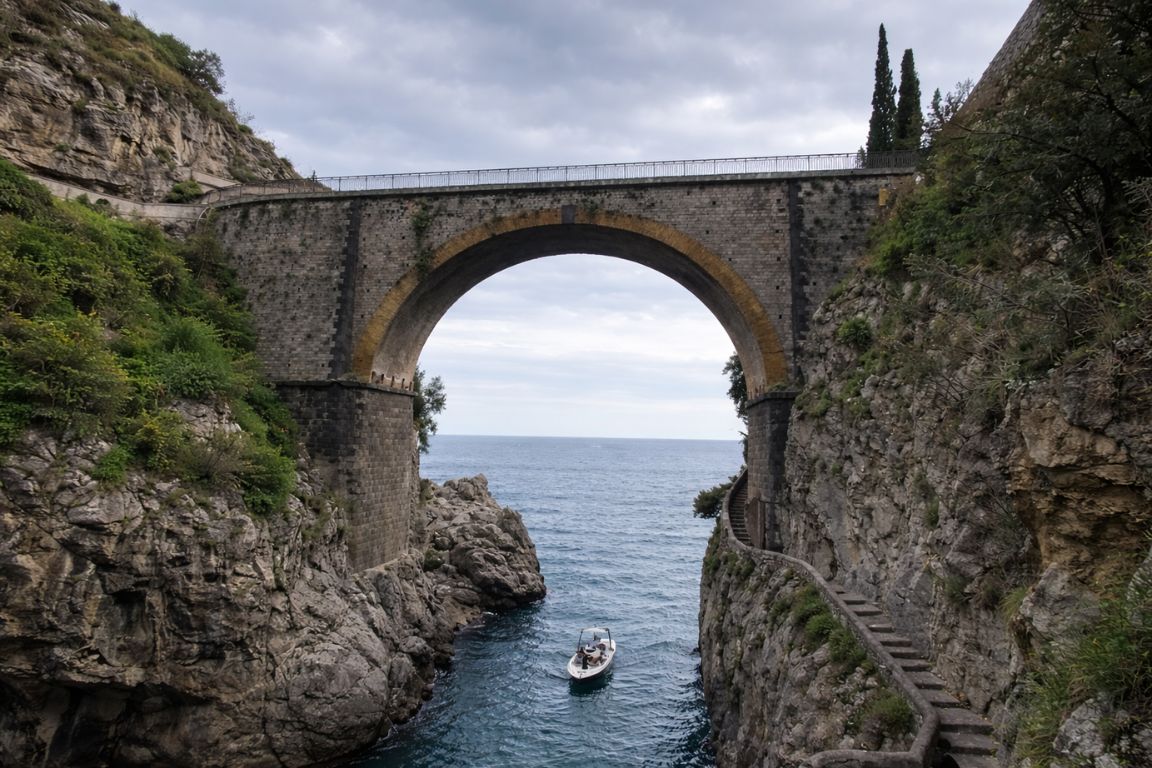
Contact the operator when conditions or forecasts concern you and follow official warnings and local restrictions. Read the cancellation terms, and do not feel obliged to board if the outing does not suit your comfort or circumstances.
Operators assess conditions for their vessel and route, but a running departure does not guarantee a risk-free or comfortable experience. Contact the operator about concerns before deciding.
Smaller boats amplify everything. A 6-meter RIB feels every half-meter of swell. A 12-meter cabin cruiser smooths out the same conditions significantly. If you’re considering a private speedboat tour versus a larger ferry-style vessel, the sea state threshold for comfort differs dramatically. We’ve seen travelers love rough-water RIB tours for the thrill while others on the same trip spent 90 minutes wishing they’d stayed on land.
If you are prone to motion sickness, discuss the vessel and route with the operator and seek pharmacist or clinician advice if needed. Do not rely on a wave-height threshold or a universal medication rule.
A coast route and a Capri crossing have different exposure and durations. Neither is automatically smoother in marginal conditions; ask the operator about the actual day.
Consider what you’re hoping to see and photograph. In choppy conditions, photography becomes challenging. You can’t hold a camera steady, spray hits lenses, and boats move unpredictably. If documenting the coast from the water is a priority, moderate chop will frustrate that goal. For passengers focused on being on the water regardless of photos, the same conditions might be perfectly acceptable.
Tour operators offer rescheduling or refunds for cancellations, but policies vary. Some automatically reschedule if they cancel. Others offer refunds or vouchers. Few will refund if you decide not to board a tour they’re running. Read cancellation terms before booking. In peak season, rescheduling might not be possible if tours are already fully booked in subsequent days.
The honest answer to “should I go” depends on your priorities. Even for a once-in-a-lifetime trip, do not let the occasion override your comfort, operator advice or local warnings. The views still deliver. If you’re in the area for a week and could easily reschedule, waiting for calmer conditions makes sense. If you’re prone to motion sickness or traveling with young children, err toward skipping marginal days.
If you’re planning to see the coast from the water, here’s the best month for boat tours on Italy Amalfi Coast tours based on weather patterns, wave conditions, and when ferries actually run.
How To Check Real-Time Sea Conditions Before Your Trip
Check your ferry operator’s current service notices before leaving and before the return. Weather forecasts can help with planning, but they do not replace route-specific sailing advice or local swimming restrictions.
Use the operator’s official website, app or contact details for current updates. Recheck shortly before a critical connection, because notice periods vary.
Windy.com gives you the wind data that actually determines conditions. Focus on these specific layers:
- Wind and gusts: use the forecast for planning, then check the operator’s route-specific sailing advice; there is no universal visitor-applied cancellation cutoff.
- Wind direction: Southwest (Libeccio) and southeast (Sirocco) hit the coast hardest; northwest (Maestrale) creates rough water but often with better visibility
- Wave period: Long-period swell (10+ seconds) indicates distant storms generating organized wave trains; short-period chop (3-6 seconds) means local wind generating surface conditions
Don’t rely solely on wave height forecasts. Models often underpredict coastal wave height because they don’t account for wave reflection off cliffs and localized amplification in specific stretches. Forecast models may not capture local conditions at a pier or beach; use current operator advice and official local notices.
Sea-state forecasts provide context, not a universal cancellation rule. A forecast code cannot establish that every ferry route will run or stop.
Local webcams offer visual confirmation. Amalfi, Positano, and Sorrento all have live beach webcams that update every few minutes. These won’t tell you what conditions will do in 6 hours, but they show current visual conditions better than any forecast. If you see spray flying over piers or boats riding high swells in protected harbors, conditions are rough regardless of what the forecast says.
Historical conditions can inform broad seasonal expectations, but they cannot predict a particular departure two or three days ahead.
Call the ferry companies directly if you’re planning critical connections. Travelmar (+39 089 872950) and Alilauro (+39 081 4972222) answer phones during business hours and can tell you if conditions look likely to disrupt services based on their own forecasts and operational history. Their predictions carry more weight than generic weather apps because they know their vessels’ specific limitations.
Recheck the forecast trend and current operator advice rather than assuming a calm morning guarantees the afternoon return.
Pair current service notices with a return route you can actually use if the sailing changes. Build the return and backup plan
Frequently Asked Questions
What would you add to your independent day? Discover coast cruise and amalfi cooking class, with departure points and the time each experience takes laid out below. Discover Coast Cruise & Alternatives
What is the calmest month for the Amalfi Coast sea?
Summer is often favored for boat trips, but this guide does not establish a verified monthly calm-day percentage. Check conditions for the specific date.
Choose a planning window, then verify the sailing for the specific day rather than relying on monthly averages. Compare months for boating
Why do ferries cancel when the weather looks perfect?
Operators consider the forecast, vessel and docking conditions, which may not be clear from the beach. Follow the notice for the route you intend to use.
A cancellation is a reason to revise the route, not to seek another boat without checking operator advice. Review the alternative connections
Can I swim in the Amalfi Coast in October?
October may offer suitable beach days, but water temperature and the month do not establish swimming safety. Check current local advice and flags when you arrive.
Use local flags and current advice when you arrive; the month and water temperature do not establish safety. Plan suitable beach access
Which Amalfi Coast beach has the calmest water?
Amalfi’s Marina Grande sits in a more protected cove than most beaches and generally shows calmer conditions than exposed spots like Positano’s Spiaggia Grande. Maiori’s beach also offers better protection and more gradual water depth. However, wind direction matters more than beach choice: southwest winds create rough conditions everywhere regardless of location.
Compare access and facilities, then assess current conditions locally instead of assuming a sheltered beach is always calm. Compare Amalfi Coast beaches
How far in advance do ferries announce cancellations?
There is no universal notice period. Check the operator’s updates before departing and before a critical return connection; changes can occur close to sailing.
Have your travel day in mind? Match departure points and the time each experience takes before making separate activity bookings. Choose Your Coast Cruise Or Alternative
Is the Tyrrhenian Sea rougher than other parts of the Mediterranean?
The Tyrrhenian isn’t inherently rougher, but the Amalfi Coast’s exposure and cliff geography make it more susceptible to wind-generated swell than sheltered Mediterranean destinations. Other open-water Mediterranean coasts (southern Crete, southwestern Cyprus) see similar conditions. Protected bays and island chains elsewhere in the Mediterranean offer calmer water more consistently.
If you prefer a land-based day, compare the actual route and how you will reach its start. Check for seasonal boat legs and road disruption before treating any outing as a backup.
Written by Vincent Moretti
Italian (Amalfi Coast) tour guide since 2012 · Founder, Italy Amalfi Coast Tours
Vincent has guided over 6,800 travelers along the Amalfi Coast and throughout southern Italy since founding the agency.
Plan around the route you will actually take and retain a flexible day if boating is central to the trip. Plan the boat-day window